Mishka's new year christmas fairy tale Legal Guide
- What the story actually contains
- Customs and document transparency
- Accounting and tax safety
- Questions publishers should answer first
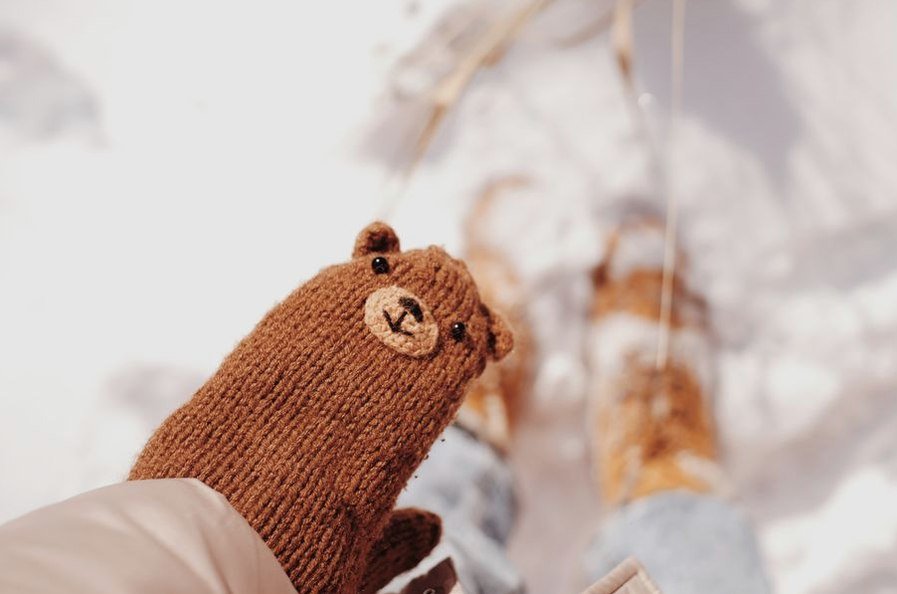
“mishka’s new year christmas fairy tale” is a children’s story about a bear who stays awake through winter to celebrate New Year with his friends. The material describes a fictional forest, Father Frost, a festive meal, gifts, and Mishka’s winter sleep. It contains no customs details, prices, tax data, invoices, or accounting records.
That distinction matters for anyone preparing a catalogue, school handout, website page, or digital publication. The story can be described transparently as a fictional New Year fairy tale. It should not be presented as a commercial import document, a product specification, or evidence of a real transaction.
What the story actually contains
The narrative follows Mishka, a large bear who usually sleeps through winter. His friends, a rabbit, hedgehog, and squirrel, invite him to remain awake until New Year so he can decorate the tree and meet Father Frost.
The plot includes several concrete details that can support a clear content description:
- Mishka lives in a forest near his friends.
- The animals decorate a large spruce with berries, pine cones, and a handmade star.
- The friends share honey, apples, nuts, and a carrot cake during the celebration.
- Father Frost gives Mishka a patchwork quilt after Mishka helps deliver gifts.
- Mishka eventually falls asleep under the quilt and wakes in spring.
These details describe fictional events. They do not establish the origin of any physical goods, the value of the quilt, or the ownership of the text.
Customs and document transparency
No customs clearance document can be prepared from this story alone. The material does not identify a seller, buyer, country of origin, shipment, transport method, quantity, invoice value, or product classification.
If a publisher or retailer uses the story to describe a printed book, separate documents would be required for that real product. The invoice should identify the actual seller, buyer, product name, quantity, and price. A packing list should match the shipment. Transport documents should reflect the real route and package details.
The fictional names and events should remain in the literary description. They should not replace the legal names of contracting parties or the commercial description of imported goods.
Accounting and tax safety
Accounting records must follow real payments and delivered goods, not the plot. The story mentions honey, fruit, nuts, cake, a quilt, and gifts, but these are elements of the narrative. They are not purchase documents and should not be entered as business expenses without separate evidence.
A safe publication file can keep the text, title, author information when available, licensing records, invoices, and payment confirmations together. The source material supplied here does not state an author, licence price, publication date, or tax treatment, so none of those details should be invented.
The page mishka’s new year christmas fairy tale can be described using the plot facts above, while commercial claims should come from the publisher or rights holder.
Questions publishers should answer first
Is this a real-life account?
No. It is a fictional fairy tale about forest animals, Mishka’s winter celebration, and his meeting with Father Frost.
Can the story serve as a customs invoice?
No. It contains no buyer, seller, price, quantity, shipment, or product classification.
What should an accounting file contain?
It should contain records for the real transaction, such as an invoice, payment evidence, licence documents, and delivery records when applicable.
Can the quilt be listed as a real product?
Only when a separate commercial document identifies an actual quilt. In the story, it is Father Frost’s fictional gift to Mishka.
Write a comment