About the princess who didn't love spring story for kids
- What the story is about
- The emotional cost behind the plot
- What the story’s “tariff” amounts to
- Using the story without overpromising
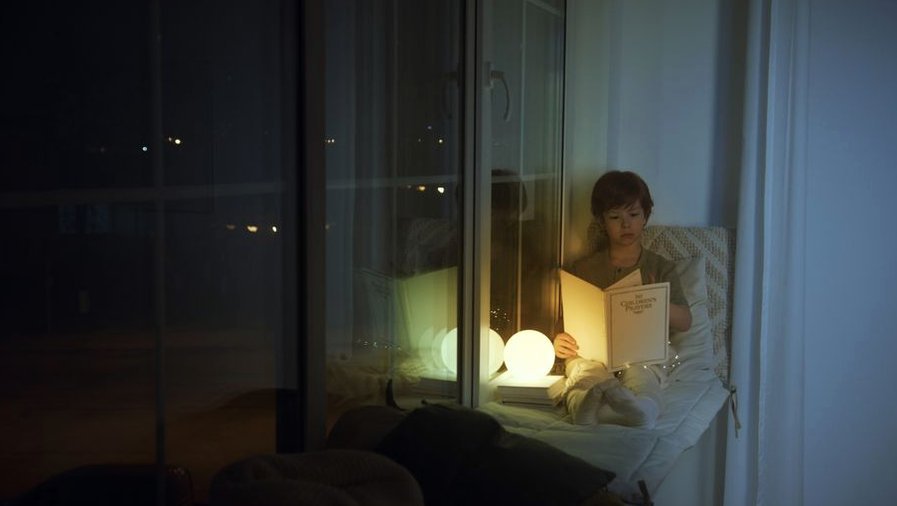
What the story is about
As a baby, the princess fell into a muddy puddle while walking with her mother. People nearby laughed, and the embarrassment stayed with her as she grew older. By adolescence, she had begun to expect other children to mock her in the same way. Because of that fear, she avoided spring and kept away from groups. A new friendship gives her the opportunity to question this belief and join the other children.
For children, the story creates a natural opening to discuss shame, loneliness, and the way memories can influence later choices. Its lesson is not that children should dismiss painful feelings or simply force themselves into uncomfortable situations. The princess needs a kind invitation and a chance to discover how people respond to her now.
The emotional cost behind the plot
The story’s central cost is lost companionship rather than money. For sixteen years, the princess stays away from children because she expects them to laugh at her. While the others play together, she reads alone in a quiet corner of the garden. Avoiding them protects her from another embarrassing moment, but it also prevents her from learning whether her old fear still reflects reality.
Adults may see the original incident as a small mishap, yet it remains important to the princess. Her mother has forgotten the puddle, and no one in the kingdom remembers it. This contrast can help young readers understand that an event which seems minor to one person may continue to hurt someone else.
Mark does not try to explain the fear away. He listens, asks why she expects ridicule, and invites her to join the group. The children welcome her. Together, they play snowball games and go sledding. Her situation changes because she has a new experience with the group, not because the king issues a decree.
What the story’s “tariff” amounts to
The story details contain no stated price, commercial tariff, or paid reading condition. A cash budget cannot be calculated from them. For a parent or teacher deciding whether to use the story, the practical considerations are reading time, the child’s attention, and whether the subject fits the child’s current experience.
This distinction can matter when the story is chosen for a group. A child who has recently been teased may identify strongly with the princess’s fear. Read the story at a calm pace and leave space for the child to respond. There is no need to turn the discussion into a request for a personal confession. A supportive conversation should give children room to participate without pressure.
The excerpt ends just as the princess begins to think. It does not include the rest of her reflection, so readers should not assume a particular final lesson or ending from this passage alone. The linked about the princess who didn’t love spring story for kids can help readers locate the story.
Using the story without overpromising
During a read-aloud, pause after the princess explains to Mark why she stays alone. Ask what she fears might happen and what evidence supports that expectation. After the group welcomes her, ask what changed: the spring weather, the other children, or her opportunity to spend time with them. These questions keep attention on the events in the story rather than telling children how they should feel.
Adults can also separate kindness from pressure. Mark’s invitation gives the princess an opportunity, but children should still be allowed to decline an activity or take more time before joining. The story works best as a prompt for empathy. It does not prove that every social fear disappears after one invitation.
Is this story about the princess disliking every season?
No. She loves the seasons other than spring. Her dislike of spring comes from the muddy fall and the laughter that followed when she was very young.
Does the story provide a price or tariff?
Any monetary reading or purchase cost depends on the edition or seller; the story details give no price.
What can children discuss after reading?
They can discuss why the princess avoided the group, whether her expectation was accurate, and how a gentle invitation influenced her choices.
Does the excerpt show the complete ending?
No. The passage stops as the princess begins to think, so it does not establish what she concludes afterward.
Write a comment