Brazil’s Supreme Court faces a tight test over a possible Moraes inquiry
Brazil’s Supreme Court faces a tight test over a possible Moraes inquiry
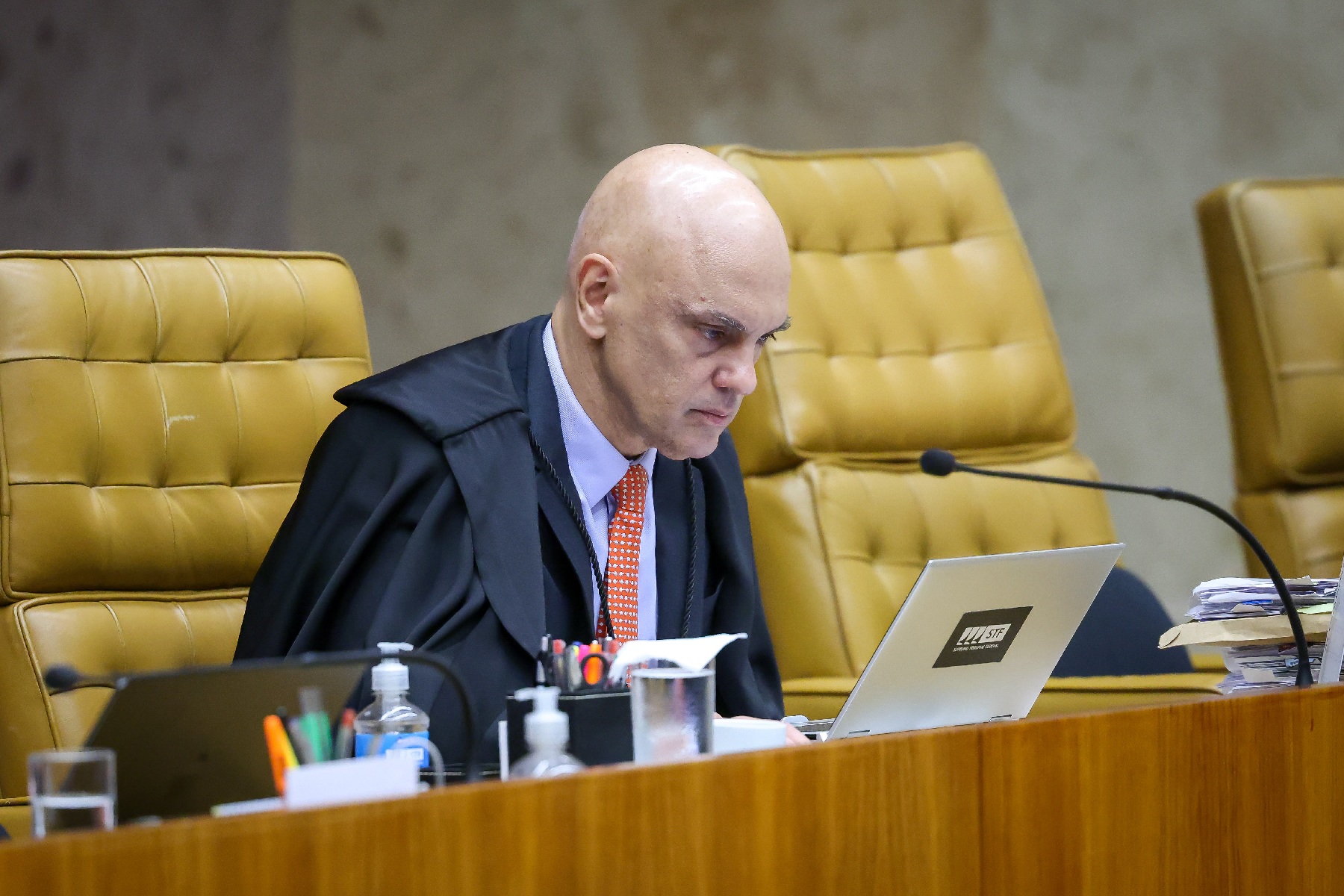
Brazil’s Supreme Federal Court was due to decide whether messages and other material gathered by the Federal Police involving Justice Alexandre de Moraes and businessman Daniel Vorcaro justify a formal inquiry. The case has produced sharply different emphases: one account frames it as an overdue accountability measure, while another centres on the procedural safeguards that could determine whether any investigation can proceed.
The right-leaning Gazeta do Povo described the session as the first time the court would consider opening an investigation into one of its own justices. It said Moraes had submitted a 121-point document accusing Justice André Mendonça, the Master-case rapporteur, of political conduct and seeking the immediate closure of the matter. Its editorial position was unequivocal, calling the “opening of the investigation and the removal of Alexandre de Moraes” the only acceptable outcome.
The left-leaning account likewise said the full court would assess whether exchanges between Vorcaro and Moraes warranted an inquiry, but it placed greater weight on the legal route to that decision. It said the court could invalidate the police report over a possible procedural “defect at origin” while still sending the underlying data to another prosecutor for an independent assessment.
That account also highlighted questions of impartiality. It said Moraes and Mendonça were widely expected to sit out the vote because they are mentioned in the material, while Justice Dias Toffoli had already declared himself recused in related Master-case developments. Fewer participating justices could make each vote more consequential, with court sources reportedly anticipating a close result.
Both accounts therefore treat the session as consequential, but they diverge on its central meaning. The first presents it as a direct judgment on Moraes’s conduct and the court’s willingness to police itself; the second portrays it as a decision constrained by evidentiary validity, recusals and the court’s voting rules. A request for additional time to review the case could postpone a final ruling.
https://brazil-test-hub.syndichain.com Brazil News Hub brazil-test-hub brazil-test-hub
Write a comment