Dino’s review delays Moraes case as STF split deepens
Dino’s review delays Moraes case as STF split deepens
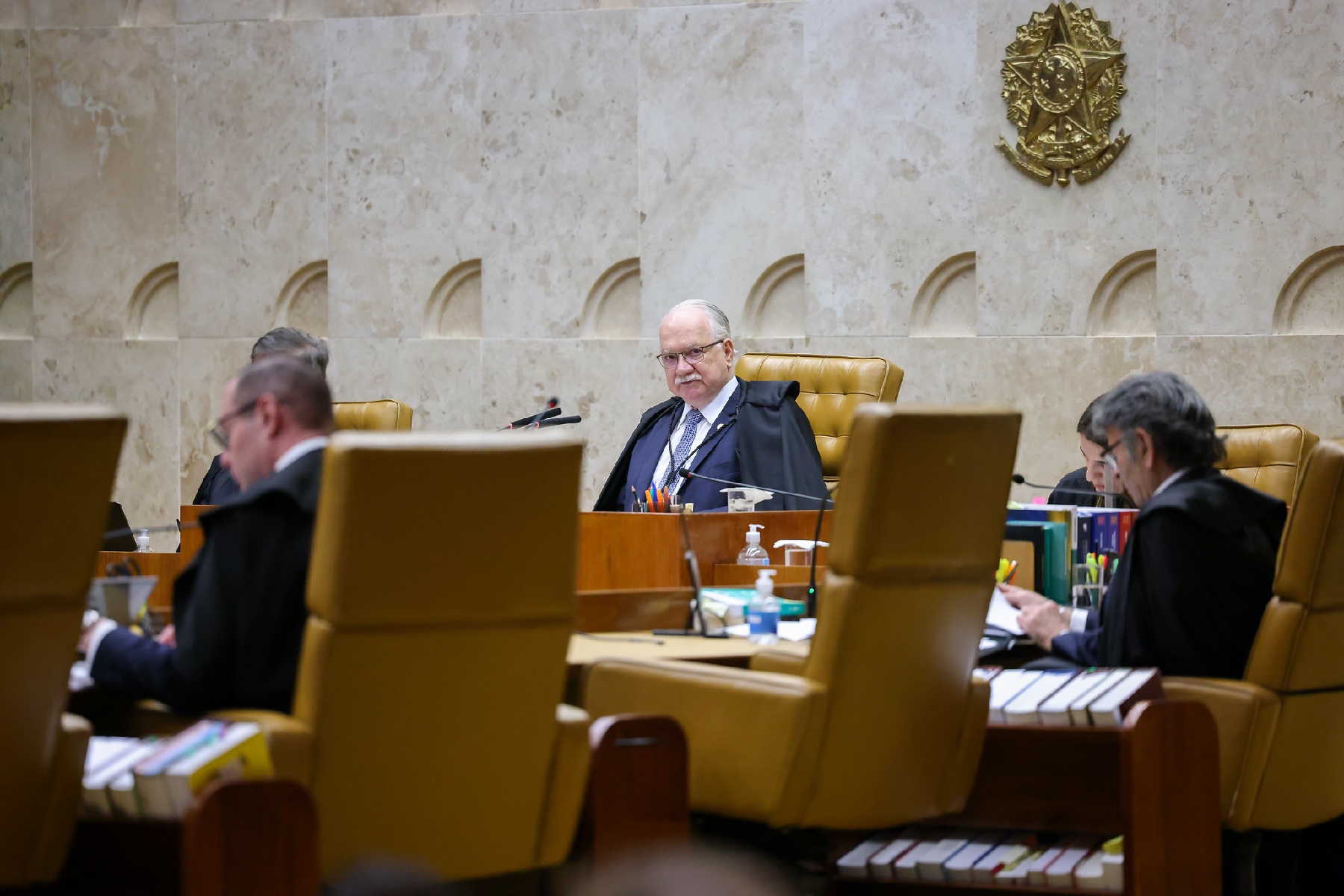
Flávio Dino’s request to review the case has halted the Supreme Federal Court’s consideration of whether and how to proceed with matters involving Justice Alexandre de Moraes. The pause, which can last up to 90 days, came before the court reached the substantive question of a possible investigation.
Coverage from the Brazil Right perspective stresses the procedural uncertainty exposed by the session. It notes that the justices spent hours on preliminary questions — including whether the matters involving Moraes and Justice André Mendonça should be heard together — rather than on the allegations themselves. Before Dino’s request, the provisional count stood at 4–3 against joining the cases; his earlier vote was withdrawn and could change when the case returns. The same coverage highlights an unresolved legal issue: if the court ultimately ties, it is unclear whether the chief justice’s casting vote or criminal-law principles favoring the person accused would govern.
Brazil Left coverage describes the same 4–3 division and the recusals of Justices Kassio Nunes Marques and Dias Toffoli, but places greater emphasis on the institutional and political setting. It cites foreign coverage characterizing the dispute as an unprecedented crisis and notes that the review could push the deliberation beyond the presidential election, while a vacant seat leaves the court operating with 10 members.
The accounts also agree that exchanges in the chamber became heated. Dino said the court lacked conditions to continue deliberating because “the climate is only getting worse, and society is watching something different from the procedure the law requires.” On social media, the dispute was framed more starkly: commentator Rodrigo Constantino promoted a broadcast under the headline “CHAOS AT THE STF!”
For now, the disagreement remains primarily over process: whether the Moraes and Mendonça matters should be combined, who should conduct them, and when the court can return to the underlying allegations. Those procedural choices may also shape how the court’s internal conflict is viewed during the election period.
https://brazil-test-hub.syndichain.com Brazil News Hub brazil-test-hub brazil-test-hub
Write a comment