Supreme Court halts Trump mail-voting rules as election timing divides the justices
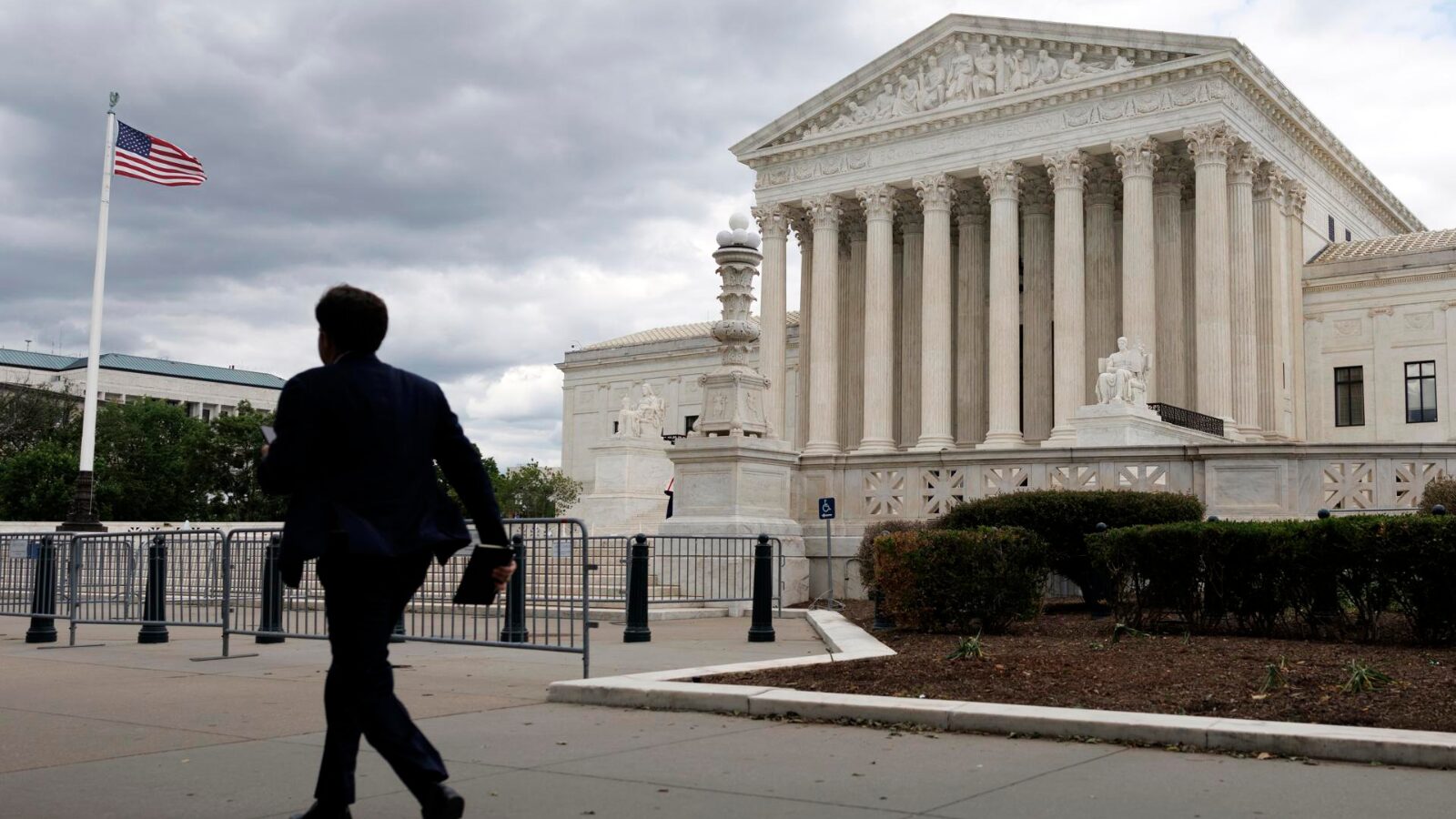
Supreme Court halts Trump mail-voting rules as election timing divides the justices
The U.S. Supreme Court rejected the Trump administration’s request to put new mail-in voting restrictions into effect before the November midterm elections, preserving the procedures states already use to send and receive ballots.
The central divide was not only over the proposed rules, but over whether they could be introduced so close to an election. Brett Kavanaugh, joining the majority’s result, said the policy might ultimately be lawful but that state and local election officials lacked “sufficient time to implement the rule reasonably before the election.” The ruling therefore keeps lower-court blocks in place while litigation over the regulation continues.
The administration’s plan, advanced through an executive order and later developed by the U.S. Postal Service, would have created uniform requirements for federal ballot envelopes, including identifying information and individualized barcodes. It also would have required states to provide the Postal Service with basic voter information.
Supporters portrayed those measures as protections for the security and integrity of voting by mail. Justice Samuel Alito, dissenting alongside Justice Clarence Thomas, argued that the government had a significant interest in enforcing the rule and that it would improve the visibility of mailed ballots, helping authorities detect possible fraud in federal elections.
Opponents, by contrast, argued that the Postal Service had exceeded its authority and that ballots failing to meet the new conditions could make voting harder for some citizens. The competing accounts agree that mail voting remains a major part of the U.S. electoral system; they differ over whether national standardization would strengthen that system or create avoidable disruption just as states were already distributing ballots.
https://brazil-test-hub.syndichain.com Brazil News Hub brazil-test-hub brazil-test-hub
Write a comment