Petrobras says Amazon drilling is safe as prosecutors seek a halt
Petrobras says Amazon drilling is safe as prosecutors seek a halt
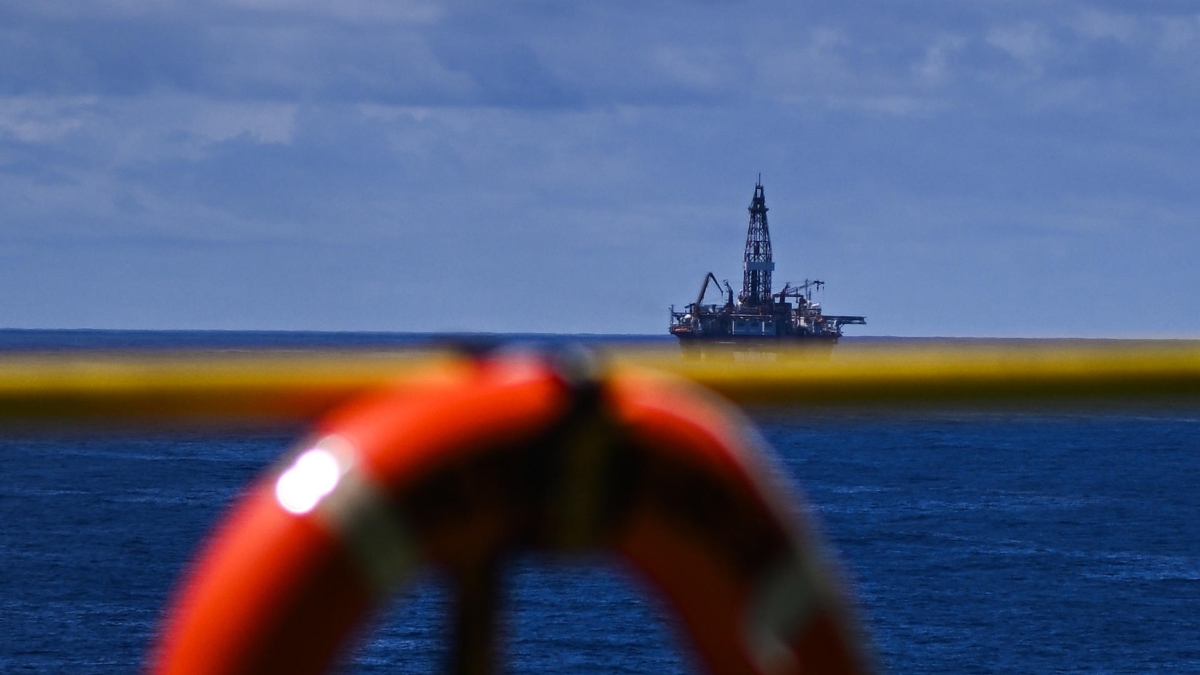
Petrobras and Brazil’s Federal Public Ministry are offering sharply different accounts of the risks around the Morpho well, an ultra-deepwater exploration site about 175 kilometres off Amapá’s coast.
The state-controlled oil company says the FZA-M-59 block remains in an exploratory research phase, not full-scale production. It rejects claims that the work has directly damaged Indigenous lands or traditional communities, saying its studies have found no such effects. “Petrobras strictly complies with legislation and the requirements of the competent authorities,” the company said, adding that it had held more than 80 meetings and public hearings across 22 municipalities in Amapá and Pará.
Petrobras also portrays the Equatorial Margin as an important strategic frontier. After reporting good-quality oil at Morpho, it has sought to expand research to the Manga and Crotalus wells, arguing that new discoveries could help offset the expected decline of Brazil’s currently producing reserves in the coming decades.
Federal prosecutors take the opposite view. They have asked the courts to suspend the licence for further drilling until Petrobras meets additional requirements, arguing that 17 municipalities in Pará could be affected. The ministry cites complaints from fishers, quilombola communities and Indigenous people, including reports of fish moving away, fishing nets being damaged and risks linked to support-vessel traffic.
For prosecutors, the central issue is not only whether direct environmental damage has already been proven, but whether potentially affected coastal communities were adequately heard before activity moved forward. They want prior consultation, studies of the project’s economic effects on local fishing, a compensation plan and a review of the areas considered at risk.
The disagreement also extends to aircraft noise around Oiapoque. Petrobras says it adjusted flight routes and increased aircraft altitude after talks with Indigenous leaders, who later reported a significant reduction in perceived noise. Prosecutors, however, maintain that consultation and impact assessment must be strengthened across the broader coastal area before expansion continues.
https://brazil-test-hub.syndichain.com Brazil News Hub brazil-test-hub brazil-test-hub
Write a comment