Trump’s Iran ultimatum puts diplomacy and escalation on the same stage
Trump’s Iran ultimatum puts diplomacy and escalation on the same stage
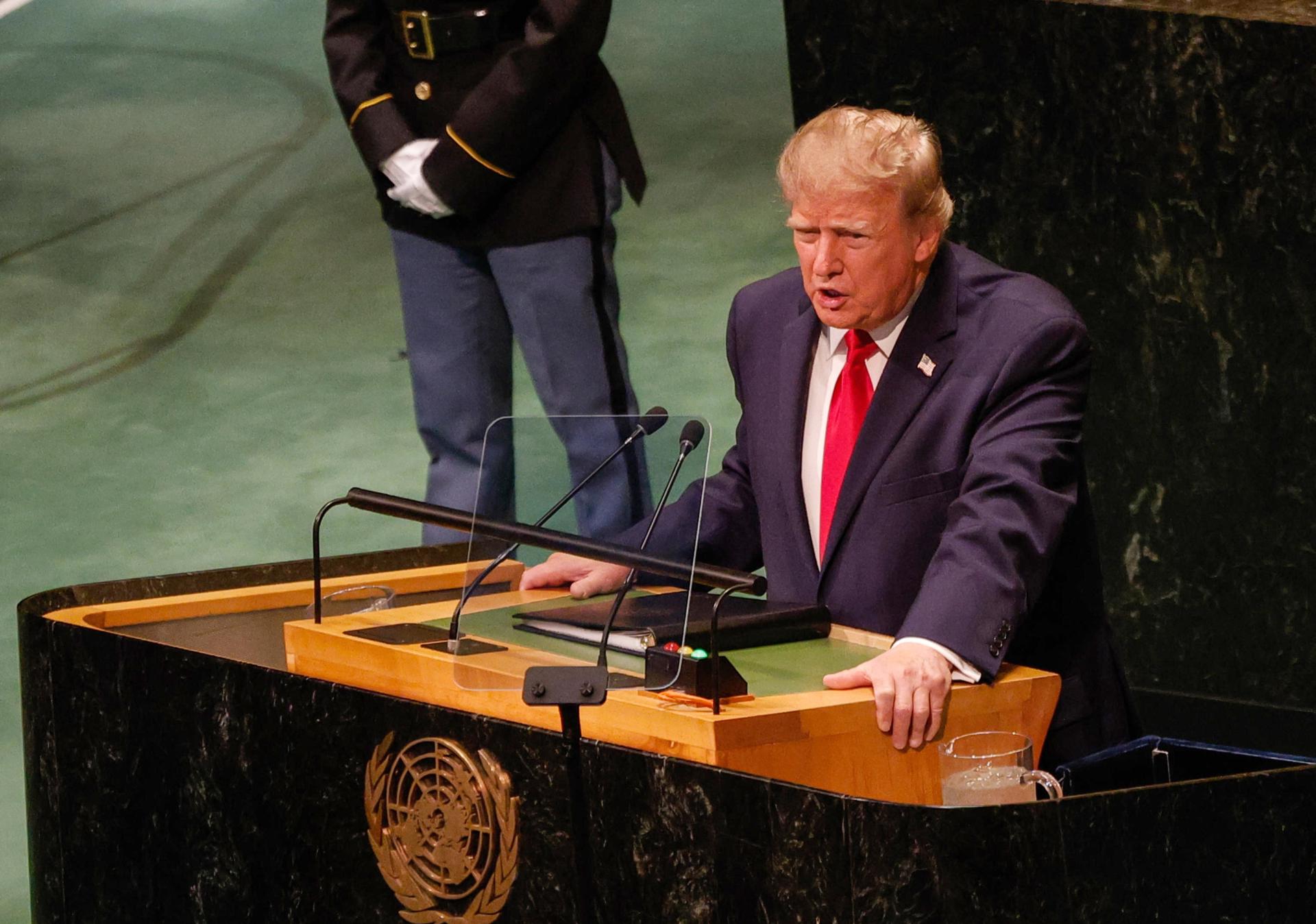
Donald Trump used his UN General Assembly speech to cast US policy toward Iran as a choice between negotiation and overwhelming force. He said Washington could reach an agreement allowing Iran to “rebuild a great country,” but asked whether he would instead have to “annihilate the Islamic Republic … quickly.”
Coverage from Brazil’s right emphasized the address as a declaration of renewed US power. It highlighted Trump’s assertion that the country was “stronger than ever,” linking his Iran stance to broader claims about the economy, military strength and US technological leadership. A supportive social-media summary similarly portrayed the speech as evidence that the US was “back,” citing Trump’s claims on investment, crime and immigration enforcement.
That perspective presents the ultimatum as leverage: a forceful warning intended to prevent a nuclear threat while preserving a path to a post-election settlement. Another supportive account described Trump’s choice as helping Iran rebuild through a new deal or destroying the regime to prevent nuclear attacks and violence, while stressing his expectation that an agreement could follow the November elections.
Coverage from Brazil’s left focused on the risks embedded in the wording rather than its deterrent value. It argued that threatening to “annihilate” Iran raised serious questions under international law and cited the Union of Concerned Scientists’ view that the language could amount to an implicit nuclear threat—though Trump did not explicitly mention nuclear weapons.
Iran’s armed forces rejected the message outright, calling it a sign of “strategic despair” and saying they were prepared to respond with attacks more severe than those earlier in the war if Iran were struck again. The competing readings converge on one point: diplomacy remains possible. But they sharply diverge over whether Trump’s rhetoric is a negotiating tool or a step toward a wider confrontation.
https://brazil-test-hub.syndichain.com Brazil News Hub brazil-test-hub brazil-test-hub
Write a comment