Trump and Xi Extend Trade Truce but Leave Core Rivalry Untouched
Trump and Xi Extend Trade Truce but Leave Core Rivalry Untouched
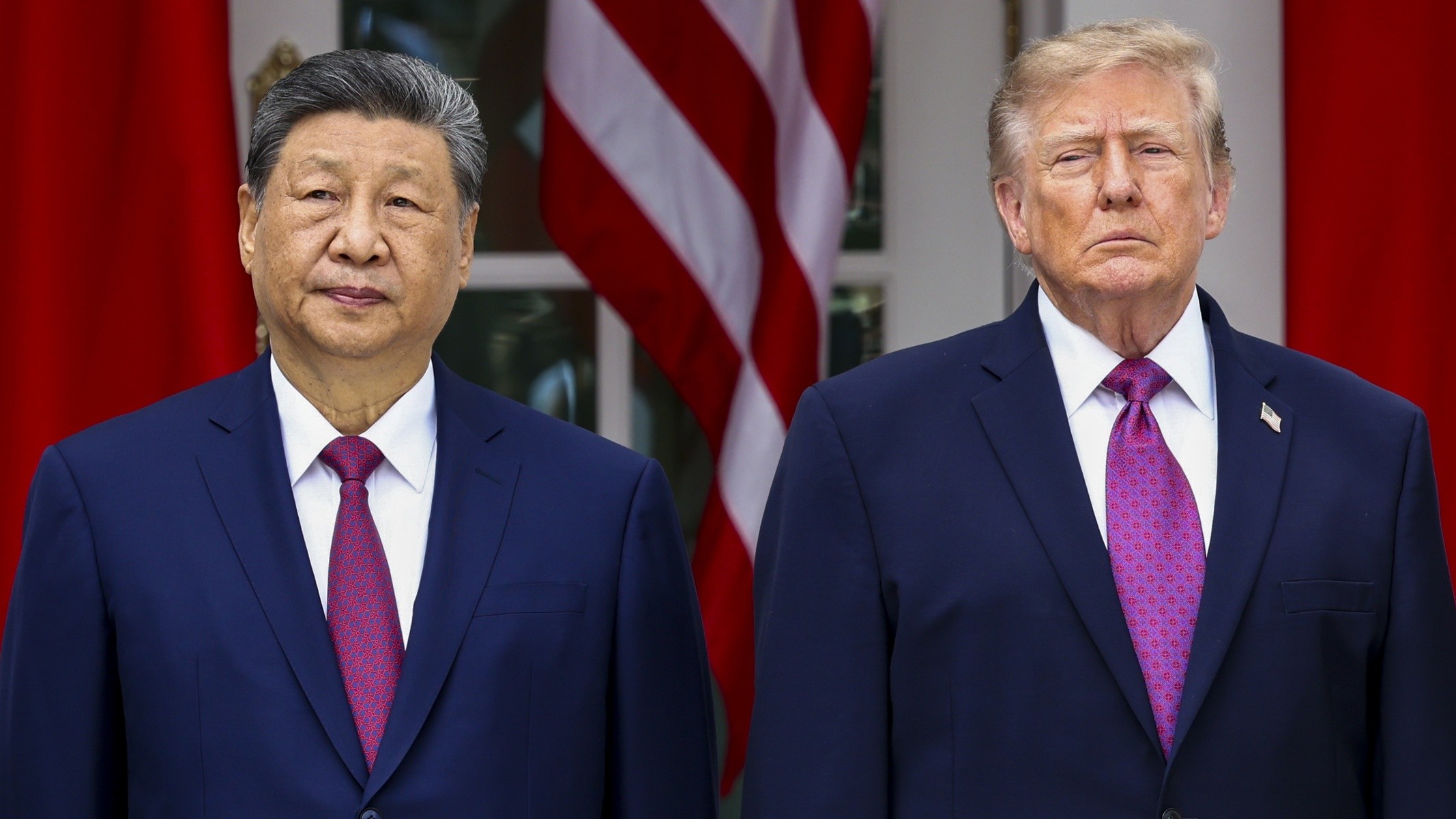
Trump and Xi Jinping paired ceremony with caution in Washington, extending the U.S.-China trade truce until January 10, 2027 while leaving the most difficult disputes for further talks. Both accounts portray the meeting as an attempt to manage rivalry rather than settle it.
The Brazil Left account places particular weight on the unusually elaborate reception for Xi, including Trump’s personal welcome at Joint Base Andrews and a red-carpet ceremony. It interprets the display, alongside the two-month truce extension, as a signal that both governments want to prevent another escalation between the world’s two largest economies. Xi’s message that China and the United States should be “partners, not rivals” frames Beijing’s preference for cooperation despite strategic competition.
A post by Rodrigo Constantino highlighted the timing of Xi’s September 23–25 state visit and identified September 24 as its principal day with Trump, underscoring the attention surrounding the leaders’ second meeting of the year.
The Brazil Right account casts the same encounter more explicitly as an effort to avoid the so-called Thucydides Trap — the risk that rivalry between an established power and a rising one can slide into war. It says Xi argued that such an outcome is not inevitable, provided the two sides maintain dialogue and effective channels of communication. “Taiwan was the central point of disagreement” in the White House discussions, according to that account, while artificial intelligence, trade, Iran and security were also on the agenda.
The two perspectives converge on the value of de-escalation and continued contact. They differ mainly in emphasis: one sees the visit’s protocol and trade pause as evidence of practical stabilization; the other stresses the deeper military and technological risks that diplomacy is meant to contain. Neither suggests that the truce resolves disputes over export controls, strategic minerals, Taiwan or AI governance.
https://brazil-test-hub.syndichain.com Brazil News Hub brazil-test-hub brazil-test-hub
Write a comment