Brazil’s New Saliva Drug Test Promises Road Safety but Raises Prescription Questions
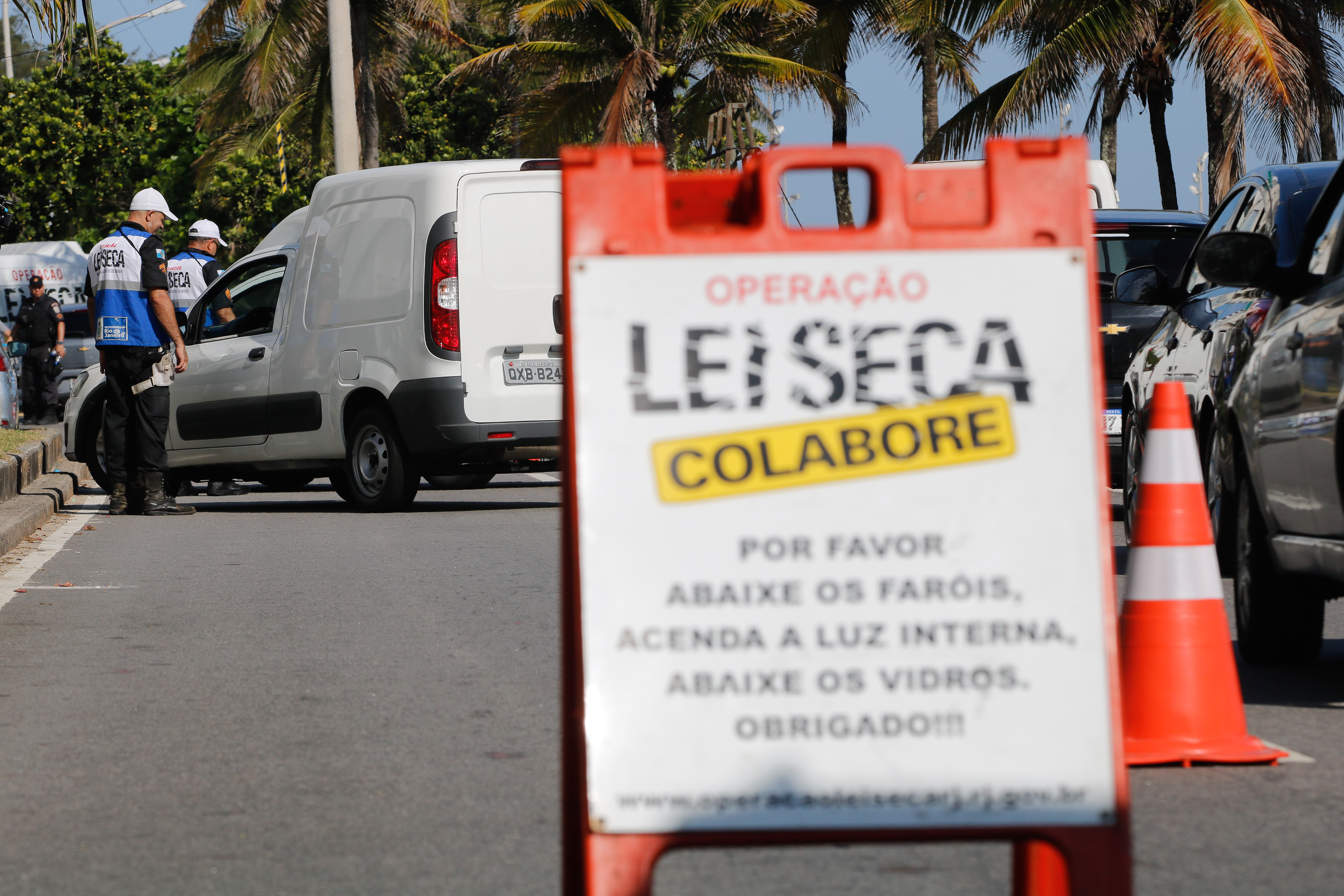
Brazil’s New Saliva Drug Test Promises Road Safety but Raises Prescription Questions
Brazil’s National Traffic Council, Contran, has authorized a saliva-based “drogometer” for traffic enforcement, adding a new way to screen drivers for psychoactive substances beyond alcohol. Unlike a breathalyzer, the device takes an oral-fluid sample and produces a qualitative result — showing whether a targeted substance is present, rather than its concentration.
Supporters of the measure frame it as a targeted safety intervention. Under Resolution 1.031/2026, the certified device can screen for 12 substances, including cocaine, THC, amphetamines, MDMA, morphine, fentanyl and ketamine. The stated purpose is to identify drivers whose psychomotor capacity may be impaired, not to conduct an open-ended search for every medication or substance a person may have used.
The central concern is how the test will affect people taking prescribed medicines. Some treatments, including medication for ADHD or hospital-administered opioids, can involve substances included in the screening panel. Officials say the rules are not intended to punish regular, medically prescribed use. National traffic secretary Adrualdo de Lima Catão said certification should not allow devices to flag merely “small traces” of a substance; the aim is to distinguish therapeutic use from use that may compromise driving.
That distinction remains partly unresolved in practice. A positive reading can be used as evidence for a traffic violation, but equipment must meet certification requirements and enforcement records must identify the device and detected substance. Additional laboratory, clinical or blood tests may also be used, including as counter-evidence in criminal cases.
The rule is in force, but widespread roadside use is not imminent. Authorities still need certified devices, procurement plans and trained personnel; the Federal Highway Police has said it does not currently operate drogometer devices continuously. Drivers who refuse the procedure may face the same consequences applied to breathalyzer refusals, including a fine and a 12-month licence suspension.
https://brazil-test-hub.syndichain.com Brazil News Hub brazil-test-hub brazil-test-hub
Write a comment