Fux Restores Removal Order as Court Weighs Speech and Election Rules
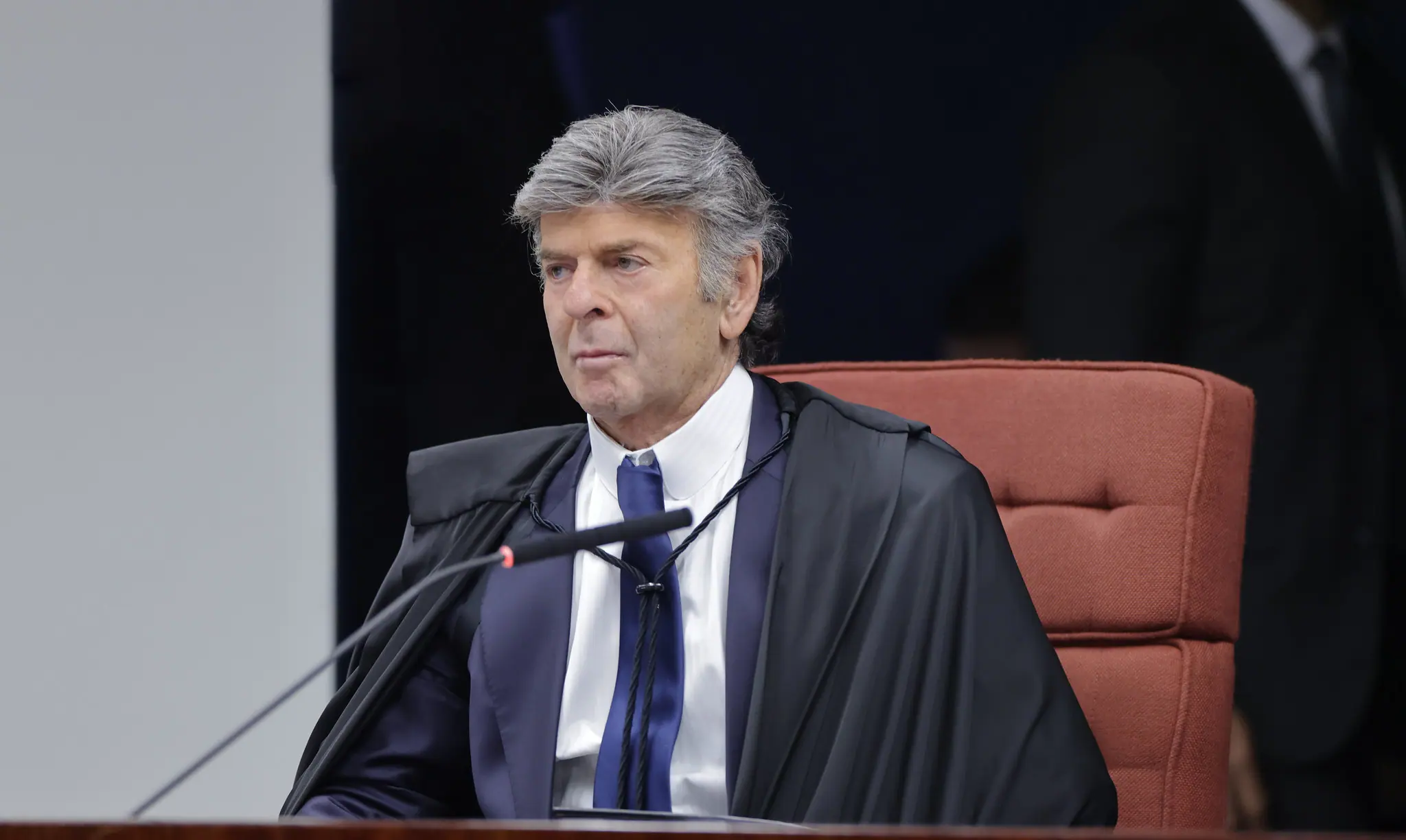
Fux Restores Removal Order as Court Weighs Speech and Election Rules
Justice Luiz Fux of Brazil’s Supreme Federal Court suspended Justice Flávio Dino’s order that had allowed back online posts associating presidential candidate Flávio Bolsonaro with an alleged plan to strip Our Lady of Aparecida of her status as Brazil’s patron saint. The earlier order by electoral court vice-president André Mendonça, requiring removals, is therefore back in force while the full court reviews the dispute.
The central disagreement is over the character of the posts. Bolsonaro denies the allegation, and Fux treated it as a demonstrably false factual claim rather than a general bar on criticism, political opinion or satire. In his reasoning, Fux wrote: “It is not about minimizing freedom of expression, but rather combating the abuse of a right.”
Dino had taken a narrower view of what could be inferred from one of the challenged posts, written by comedian Antonio Tabet. He found that removal would require assuming that Tabet’s phrase “militia family” referred to Flávio Bolsonaro and would also restrict open discussion of religious ideas without sufficient justification or proportionality.
Fux’s decision also rests on procedure. Tabet’s request had been appended to a Supreme Court case concerning former lawmaker Deltan Dallagnol, but Fux said the new dispute should have been separately filed and randomly assigned. He argued that Dino’s broader extension of relief to posts by other users went beyond the request and bypassed procedural safeguards, including participation by the beneficiary of Mendonça’s order.
Both sides recognize that online speech and religious imagery carry political weight in an election context. Their difference is over the judicial response: Dino stressed the risk of broad censorship, while Fux emphasized the electoral court’s authority to curb a claim he deemed false, particularly with the 2026 first round approaching. Platforms including X, Meta, ByteDance and Google were given 24 hours to return to compliance, subject to the Supreme Court plenary’s final review.
https://brazil-test-hub.syndichain.com Brazil News Hub brazil-test-hub brazil-test-hub
Write a comment