Lula’s betting ban leaves football clubs seeking a R$20 billion lifeline
Lula’s betting ban leaves football clubs seeking a R$20 billion lifeline
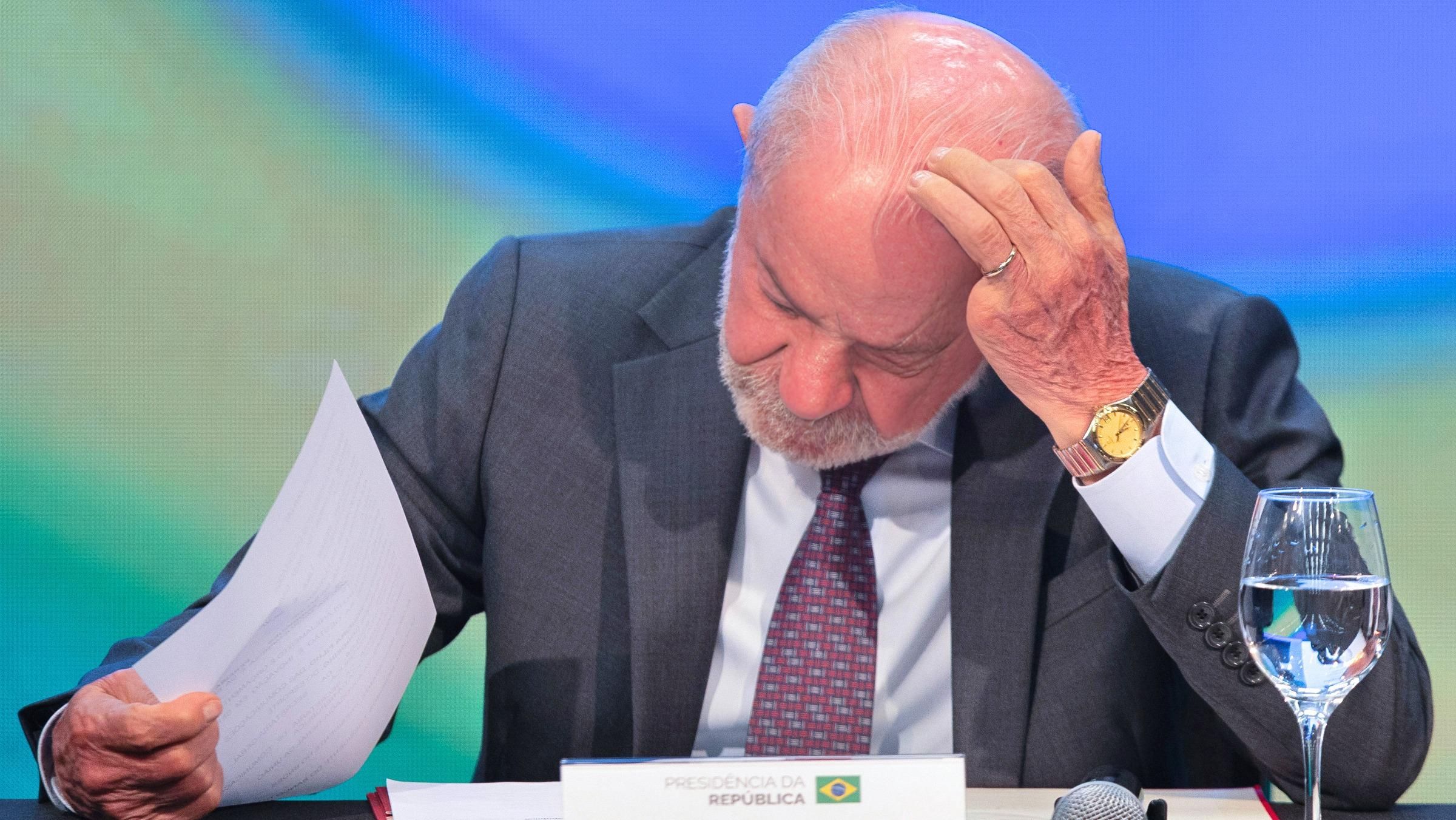
Brazil’s federal government is reportedly preparing a BNDES credit line of up to R$20 billion for football clubs after a ban on online betting companies threatened a major source of sponsorship income. The proposal is expected to be discussed with club representatives, with the stated aim of giving teams time to reorganize their finances.
For clubs, the central concern is not only the loss of money but the speed of the change. A study cited by Brazilian media found betting companies paid R$1.143 billion to the 20 largest clubs in 2025, while such sponsors accounted for 73% of São Paulo’s marketing revenue. Flamengo has projected a R$400 million to R$430 million hit to next year’s budget; Corinthians described the outlook as “almost scorched earth” and called for at least 90 days to adjust.
Flamengo’s own position, echoed in a social-media post shared by commentator Rodrigo Constantino, is that regulation can be improved but should not be abruptly dismantled after companies have made commitments under the existing rules. The club argued that authorities should not “create a rule, lead companies to make commitments based on it and, from one day to the next, change the entire regulatory framework.”
The betting industry makes a similar legal argument. The Brazilian Institute for Responsible Gaming has asked the Supreme Federal Court to suspend the provisional measure, warning of “irreversible effects” before Congress decides its fate. It says licensed operators invested, paid taxes and hired staff in reliance on five-year authorizations under a 2023 law.
Political opponents of President Luiz Inácio Lula da Silva have largely avoided defending betting itself, which polling cited in the reports says is opposed by roughly 75% of Brazilians. Instead, they have portrayed the decision’s proximity to the election as opportunistic. Romeu Zema called betting “digital cocaine” while asking why action had not come earlier; Ronaldo Caiado likewise said the activity was harming society but criticized the timing.
Constantino also contrasted the betting ban with Lula’s announcement of a debt-relief initiative at the same São Paulo event, describing a plan that could purchase up to R$150 billion in overdue household debt. The competing accounts converge on the clubs’ financial exposure, but differ sharply over whether emergency credit represents necessary transition support or a response to a preventable policy shock.
https://brazil-test-hub.syndichain.com Brazil News Hub brazil-test-hub brazil-test-hub
Write a comment