Globo Debate Collapse Turns Court Orders Into an Election Flashpoint
Globo Debate Collapse Turns Court Orders Into an Election Flashpoint
TV Globo canceled its planned presidential debate after a series of last-minute rulings reshaped the event and its two leading contenders declined to attend. The broadcaster said the decisions created “legal uncertainty” and amounted to “undue interference” in news organizations’ freedom to organize electoral debates.
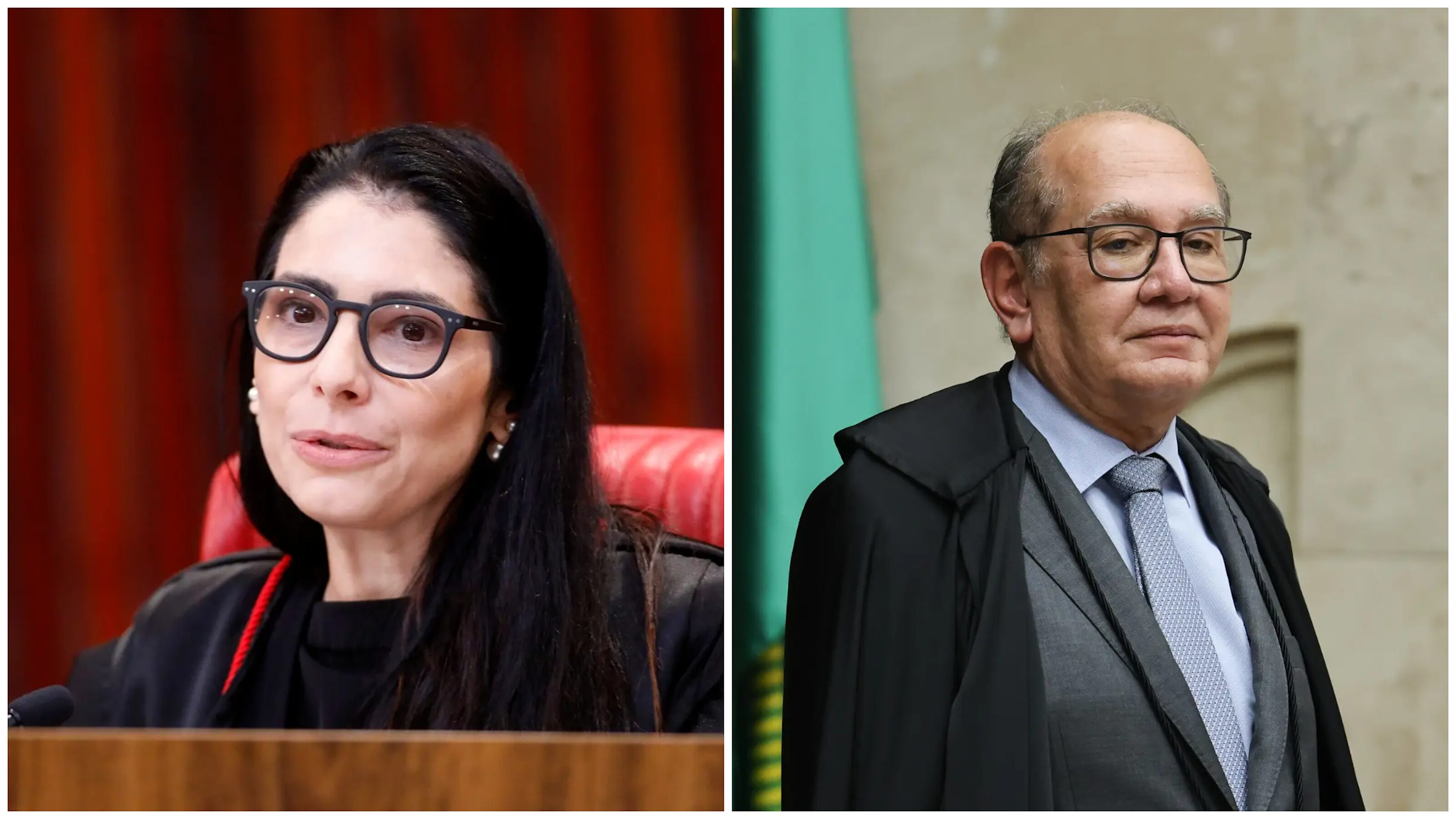
According to Globo’s account, a Superior Electoral Court justice barred the network from showing Lula’s empty lectern; a Supreme Federal Court ruling required an invitation to Mission party candidate Renan Santos; and the electoral court’s president had earlier ordered an invitation to Romeu Zema. The network presented those interventions as a practical obstacle to staging a debate under settled rules.
The candidates themselves offered different explanations. Lula, who chose a podcast appearance for the same time slot, said a debate is healthy when it includes “qualified people” and criticized the prospect of facing Flávio Bolsonaro. Bolsonaro said he would not participate because of what he called censorship imposed by the electoral court, arguing that “the press has to be free and elections clean.”
Other candidates turned the cancellation into a broader political argument. Renan Santos said Bolsonaro withdrew shortly after his participation became official, while Romeu Zema and Ronaldo Caiado criticized judicial changes to the established format. Augusto Cury, meanwhile, directed criticism at both Lula and Bolsonaro for their absences.
Online critics went further than Globo’s procedural complaint. Commentator Rodrigo Constantino wrote that “there is no electoral debate. There is guardianship,” portraying the rulings and withdrawals as coordinated constraints on the contest. A right-leaning account similarly argued that the episode exposed a conflict between judicial control of electoral communication and media autonomy, while highlighting what it described as changed attitudes toward content restrictions when they affect major outlets.
Paulo Figueiredo framed the affair as evidence that judicial conduct had become so prominent that “even Globo has to talk about it.” The shared criticism of disruption, however, masks a central divide: whether the collapse chiefly resulted from court intervention or from candidates’ decisions not to face one another.
https://brazil-test-hub.syndichain.com Brazil News Hub brazil-test-hub brazil-test-hub
Write a comment