Chinese Carmakers Turn Brazil Into a Battle for Survival
Chinese Carmakers Turn Brazil Into a Battle for Survival
Chinese automakers have moved from being a new competitive threat in Brazil to becoming rivals for the same customers, factories and dealer networks. The shift has put pressure on longstanding manufacturers, while also raising a more immediate question for the newcomers: which Chinese brands can remain when the market becomes saturated?
From the perspective of established automakers, the early arrival of Chinese vehicles exposed a gap in technology, model availability and pricing. Incumbents initially sought protection from import incentives, but the rapid rollout of modern vehicles forced them to update their own offerings. Consumers, meanwhile, gained access to an unfamiliar range of models at competitive prices. One account says traditional manufacturers have improved their product lineups, yet are still losing share; BYD has overtaken Volkswagen in some regional markets.
The Chinese companies’ answer has increasingly been local production rather than imports alone. GWM is assembling vehicles in São Paulo state and has announced plans for Espírito Santo. BYD has taken over Ford’s former plant in Camaçari, Bahia. Geely, by contrast, acquired a 26% stake in Renault’s Paraná operation, using its established logistics, distribution and after-sales network to build the hybrid EX E-MI and electric EX2 with domestic components.
That variety may benefit buyers, but it also sharpens the contest among the entrants. The first account argues that “the fight for the market and buyers is no longer” simply between incumbent manufacturers and Chinese arrivals; it is now “among the Chinese themselves.” It suggests Brazil may not be able to sustain so many brands.
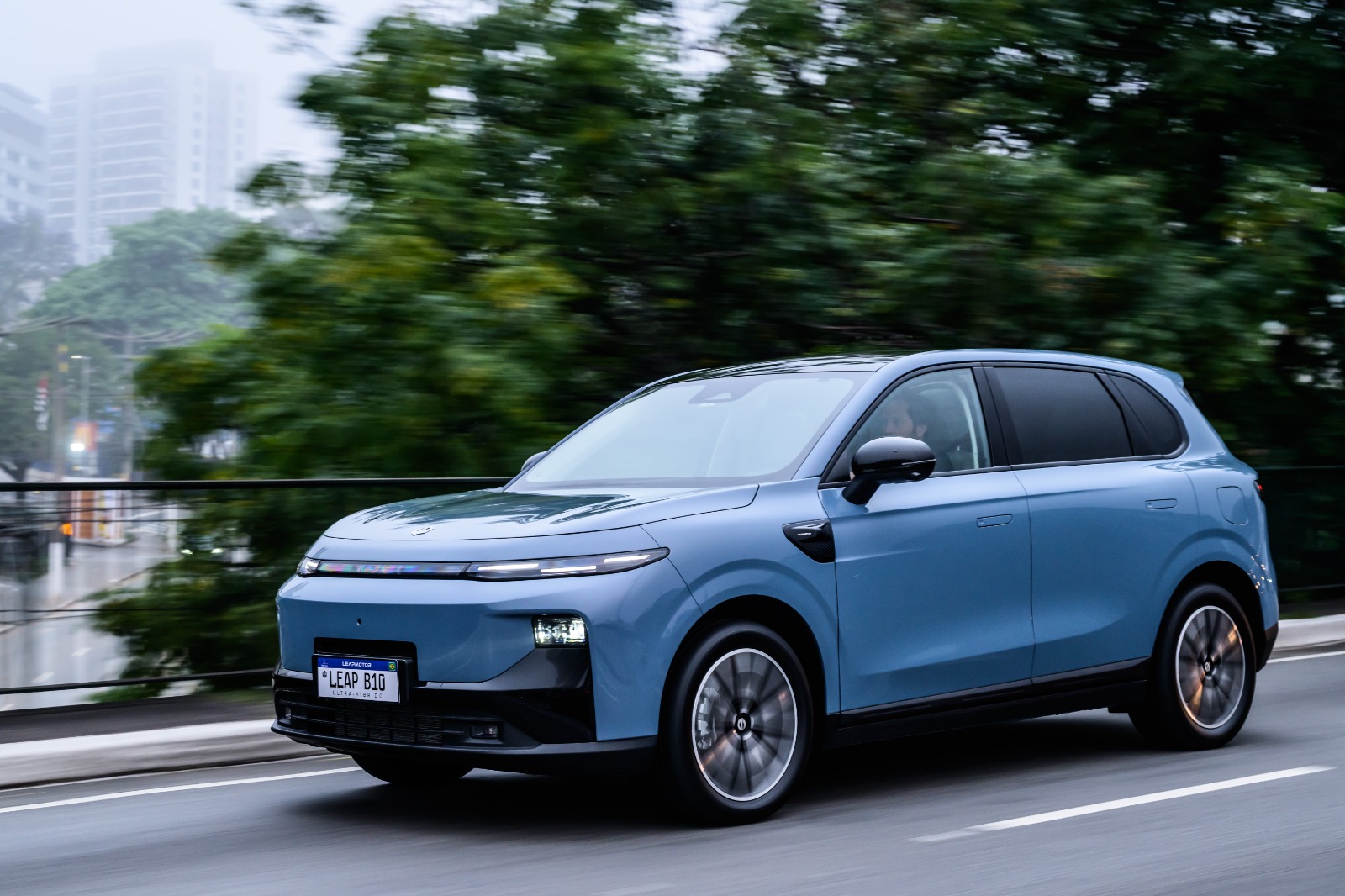
New launches underline the scale of the push. Leapmotor has introduced the B10 Ultra-Hybrid, while Chery International’s Jaecoo 5 hybrid and Omoda E5 electric vehicle broaden the choices on offer. Supporters frame these models as an expansion of access to electrified transport; the more cautious view is that a flood of similar vehicles will make sales execution and local partnerships decisive.
https://brazil-test-hub.syndichain.com Brazil News Hub brazil-test-hub brazil-test-hub
Write a comment