PL’s record Senate bloc expands its leverage, but alliances still decide the agenda
PL’s record Senate bloc expands its leverage, but alliances still decide the agenda
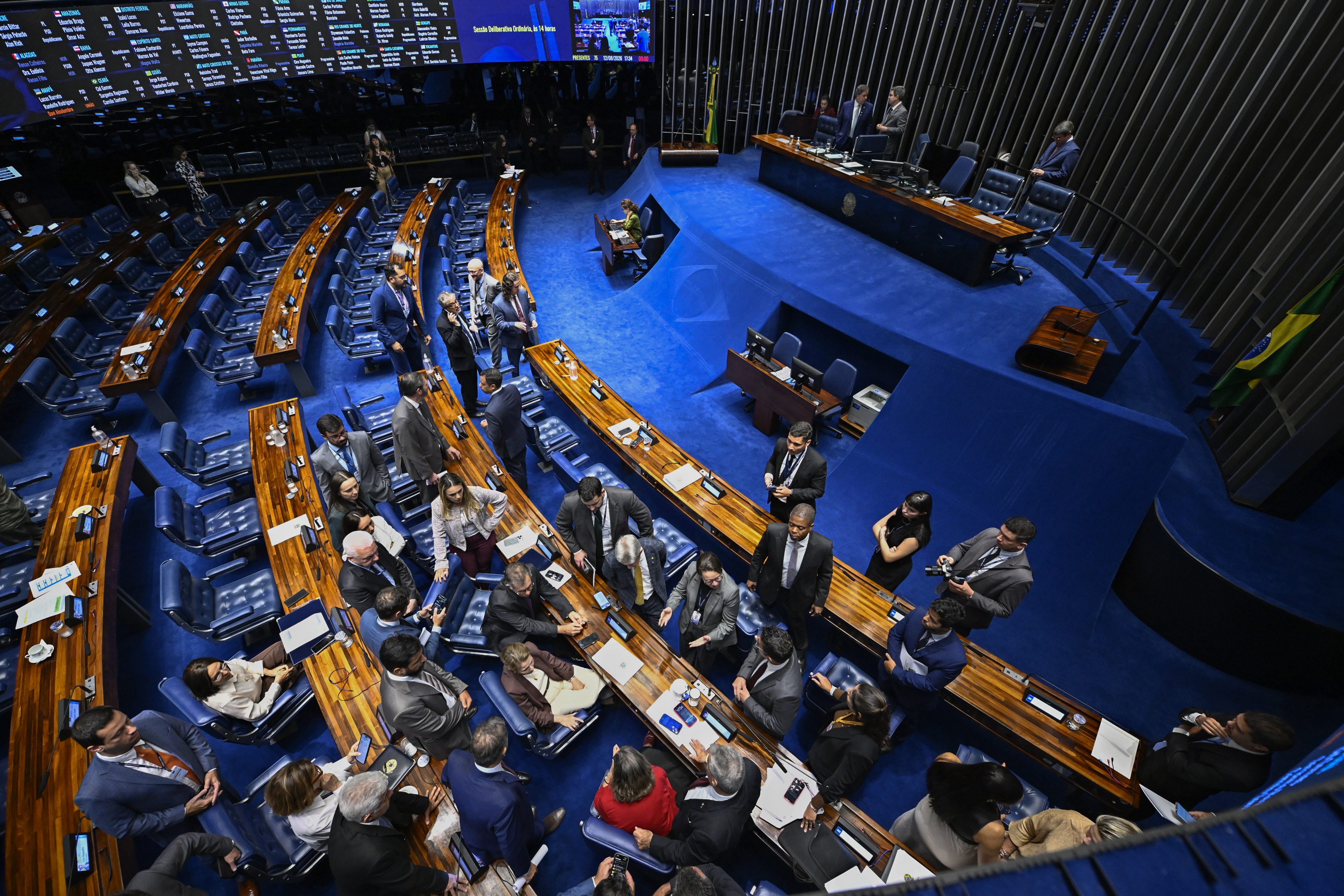
The Liberal Party, or PL, is projected to hold 28 of the Senate’s 81 seats in the next legislature after electing 19 senators, a scale both accounts describe as unprecedented for a single party in Brazil’s post-1988 constitutional period.
From the right, the result is framed as a decisive consolidation of conservative representation. One account says the party will hold 34% of the chamber and calls the caucus “the largest ever elected by a party.” It argues that the enlarged bloc, supplemented by sympathetic lawmakers from other centre-right parties, could help elect a Senate president aligned with its priorities. Control of the chamber’s leadership is presented as central to advancing conservative measures and setting the terms for proceedings involving Supreme Federal Court justices.
The left-wing account accepts the numerical significance but places it in a wider warning about the balance of power. It notes that PL also elected 121 federal deputies — 22 more than in 2022 — and expanded its presence in state governments and legislatures. The article describes the result as the party becoming the country’s leading force in the legislature, while warning that “the future of democracy is once again at stake.”
The two interpretations diverge sharply over what that growth means: a mandate for a conservative programme, in one view, and a broader political risk, in the other. But they converge on the institutional limits of the new Senate bloc. Twenty-eight seats give PL substantial bargaining power, particularly in the contest for the Senate presidency, yet fall short of the 49 votes needed for a constitutional amendment and the 54 required to remove a Supreme Court minister.
That arithmetic means the party can shape negotiations but cannot dictate major outcomes alone. Its ability to translate a record caucus into policy or institutional change will rest on whether it can sustain alliances across the centre-right and beyond.
https://brazil-test-hub.syndichain.com Brazil News Hub brazil-test-hub brazil-test-hub
Write a comment