Fachin Draws a Line Around the Supreme Court’s Power
Fachin Draws a Line Around the Supreme Court’s Power
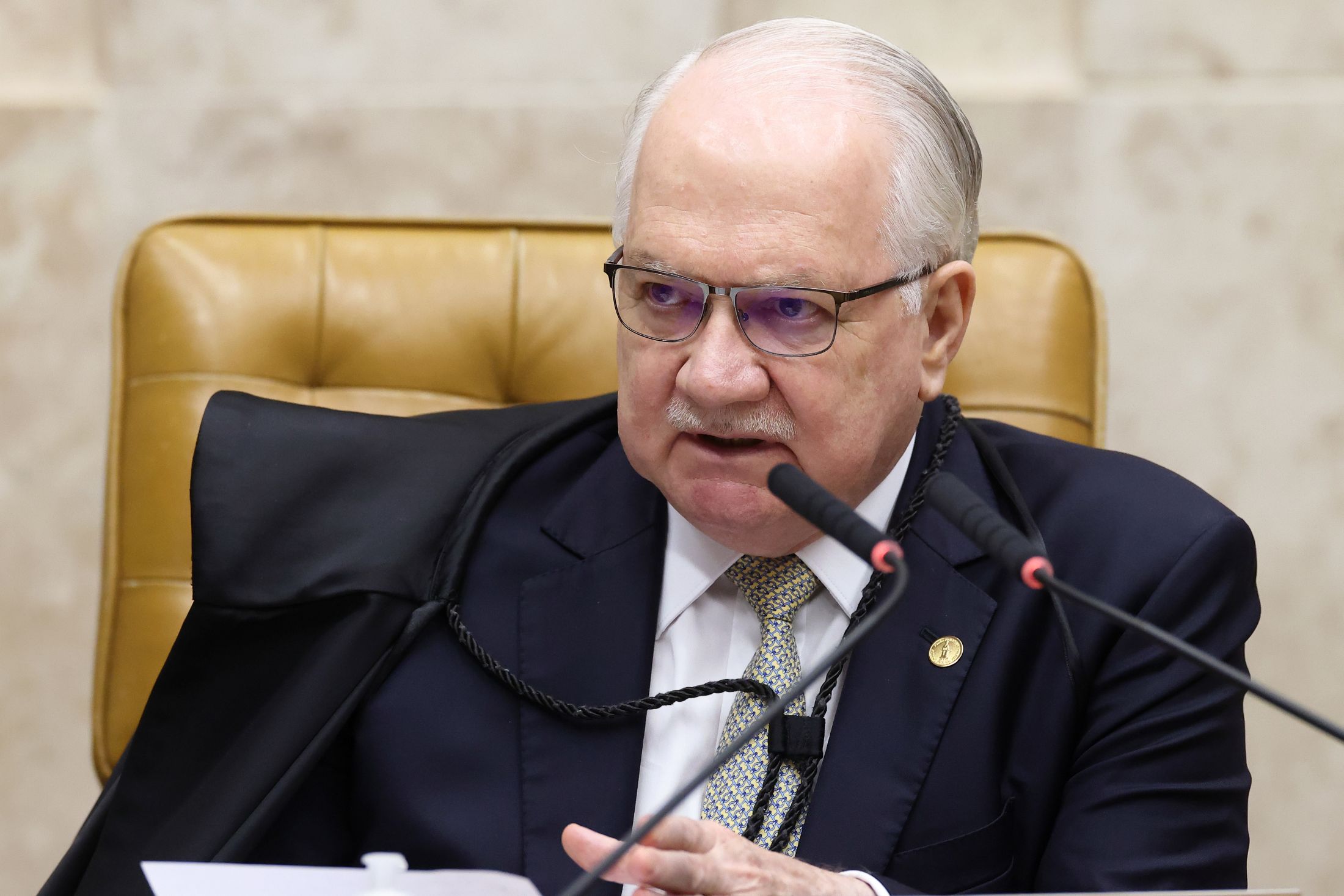
Speaking one day after the first round of Brazil’s elections, Supreme Federal Court (STF) President Edson Fachin argued that the court’s duty to safeguard the Constitution comes with defined limits. His intervention placed the court’s institutional role alongside the authority of voters and the need for decisions rooted in the court’s collective judgment.
Fachin’s central distinction was that constitutional guardianship is not ownership. “To guard, however, is not to possess or take ownership,” he said, adding that the STF serves democracy when it remains “faithful to the space that the Constitution has granted it.” He also said that “no claim to power can prevail over popular sovereignty, constitutional order and democracy.”
The remarks can be read as a broad statement of judicial self-restraint rather than a rejection of the court’s role. Fachin defended clear reasoning in rulings, judicial independence and respect for the tribunal’s collective understanding. He linked democratic preservation to everyday conduct: voting, obeying the law, reasoned judicial decisions and the work of the press.
Right-leaning coverage, however, framed the speech as containing indirect messages for other justices, naming Alexandre de Moraes, Gilmar Mendes, Flávio Dino and Cristiano Zanin as possible intended audiences. That interpretation focused on Fachin’s emphasis on collegial decisions amid disputes over individual injunctions, as well as on his references to popular sovereignty following the vote.
At the same time, Fachin paired his call for limits with a defense of the court’s continuity beyond political cycles. “Circumstances change, generations succeed one another, challenges change their form. The Court is greater than everything and everyone, and it will remain,” he said. The two readings therefore converge on the court’s importance but differ in emphasis: Fachin described an enduring institution constrained by the Constitution, while the coverage highlighted the speech’s potential internal and post-election implications.
https://brazil-test-hub.syndichain.com Brazil News Hub brazil-test-hub brazil-test-hub
Write a comment