Lula’s Court Reform Call Meets Questions Over Timing and Appointments
Lula’s Court Reform Call Meets Questions Over Timing and Appointments
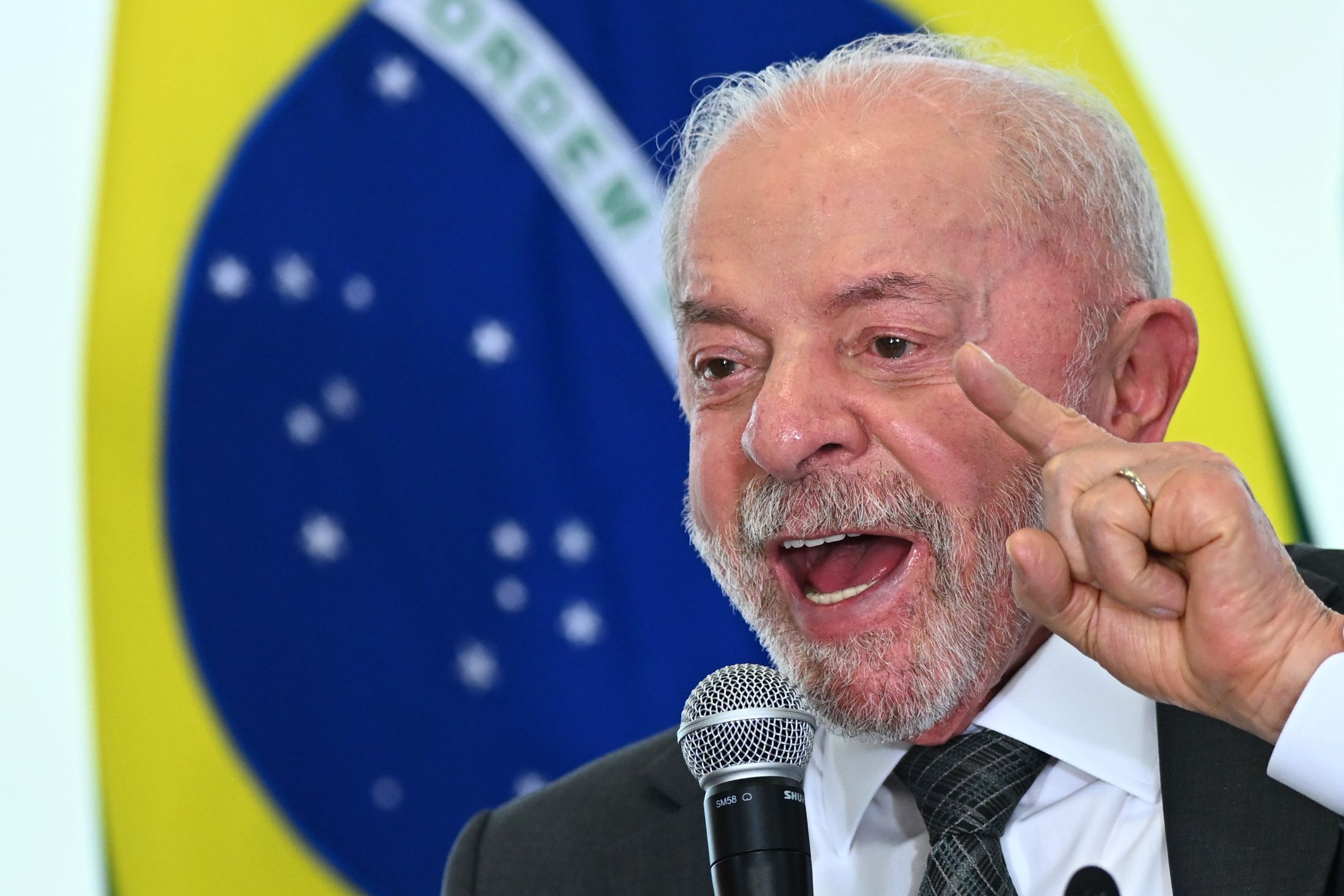
President Luiz Inácio Lula da Silva has called for a fresh debate on reforming Brazil’s Judiciary, saying the country must reconsider how Supreme Court justices are selected and whether they should serve fixed terms. His remarks came after the first round of the presidential election, in which he trailed Flávio Bolsonaro, according to right-leaning coverage.
In comments to campaign coordinators, Lula described what he said was a serious institutional problem: “We are carrying on our backs … something very grave, which is the promiscuity that became established in the Brazilian Supreme Court after the elections.” He argued that public distrust of the court makes the issue unavoidable during the reelection campaign.
The two accounts agree that Lula wants the public involved in defining clearer criteria for Supreme Court nominations. He questioned whether appointments should reflect a president’s personal interest, congressional pressure or economic interests, and insisted that “nobody is above the law, and neither are the ministers of the Supreme Court.”
But they place different emphasis on the proposal. The left-leaning account presents it chiefly as an institutional reform agenda, recalling Lula’s claim that his earlier governments delivered the country’s first Judiciary reform and portraying a new discussion as difficult but necessary. It does not identify a specific model for selecting justices or setting terms.
The right-leaning report, by contrast, links the intervention to the election result and to a broader dispute within the court. It also notes that, in his third term, Lula nominated Cristiano Zanin and Flávio Dino to the Supreme Court, while the Senate rejected his nomination of Attorney General Jorge Messias. That context underscores the tension in Lula’s position: he is calling for limits and clearer rules for an institution whose membership he has helped shape.
https://brazil-test-hub.syndichain.com Brazil News Hub brazil-test-hub brazil-test-hub
Write a comment