Fuel-tax cut puts election timing under fresh scrutiny
Fuel-tax cut puts election timing under fresh scrutiny
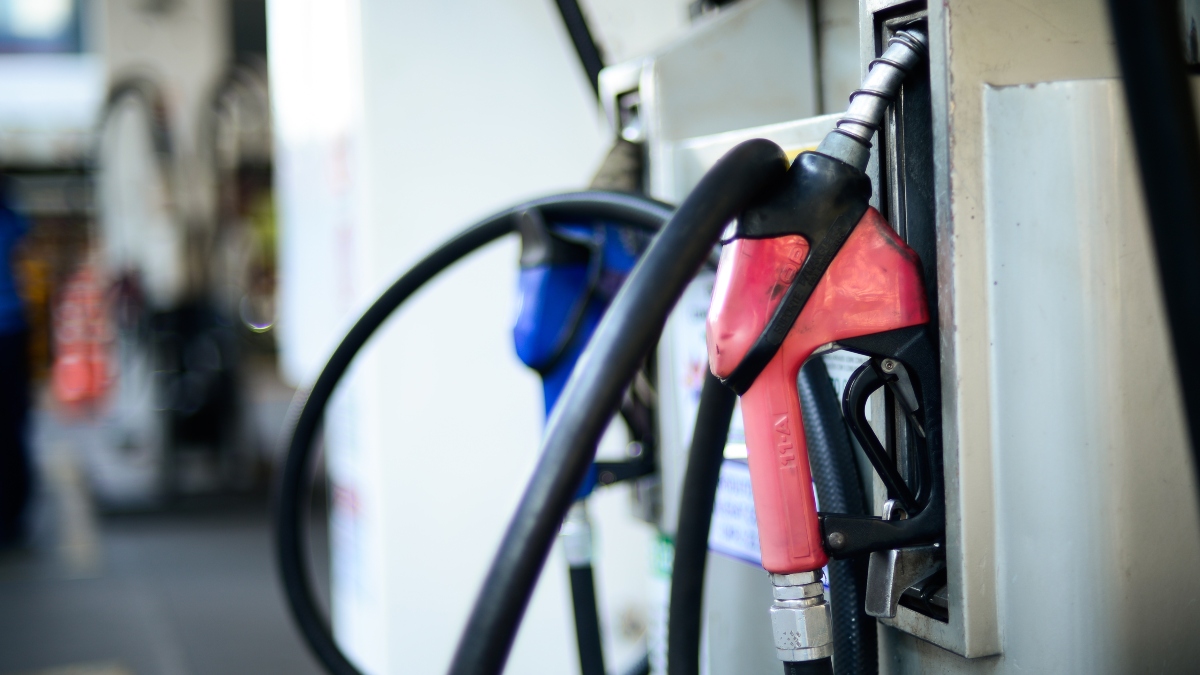
Brazil’s government has suspended federal gasoline taxes and widened fuel subsidies for 30 days, framing the package as protection for consumers facing higher international energy prices. The announcement came 16 days before the presidential runoff, however, placing the measure at the center of a debate over economic urgency versus electoral timing.
Finance Minister Dario Durigan rejected the suggestion that the decision was tailored to the campaign calendar. “There has been no change related to electoral timing because of the announcement,” he said, arguing that officials were responding to persistently pressured fuel prices amid the Middle East conflict. The administration says Brent crude was trading near US$104 a barrel — roughly 60% above its level a year earlier — and maintains that the relief is intended to prevent households from absorbing the full impact.
The government’s account stresses that the programme is temporary and funded by exceptional oil-related revenues. The Planning Ministry said the measures apply only in 2026 and “may be revised according to circumstances and budgetary and financial availability.” It estimates the combined gasoline, ethanol and imported-diesel actions will cost R$5.2 billion over 30 days, with R$3.6 billion directed to gasoline and ethanol and R$1.6 billion to additional imported-diesel support.
Yet the political context remains difficult to separate from the policy. The gasoline benefit rises from R$0.63 to R$0.89 per litre through the removal of federal PIS/Cofins and Cide taxes, while diesel importers and ethanol producers also receive larger subsidies. Officials say the measures are designed to contain pump prices, though the eventual pass-through depends on other components of fuel pricing. In effect, both accounts acknowledge a sharp cost-of-living concern; they differ over whether an external supply shock alone explains a major intervention so close to voting day.
https://brazil-test-hub.syndichain.com Brazil News Hub brazil-test-hub brazil-test-hub
Write a comment