Brazilian Dinosaur Fossil Offers Blood Clues, but No DNA
Brazilian Dinosaur Fossil Offers Blood Clues, but No DNA
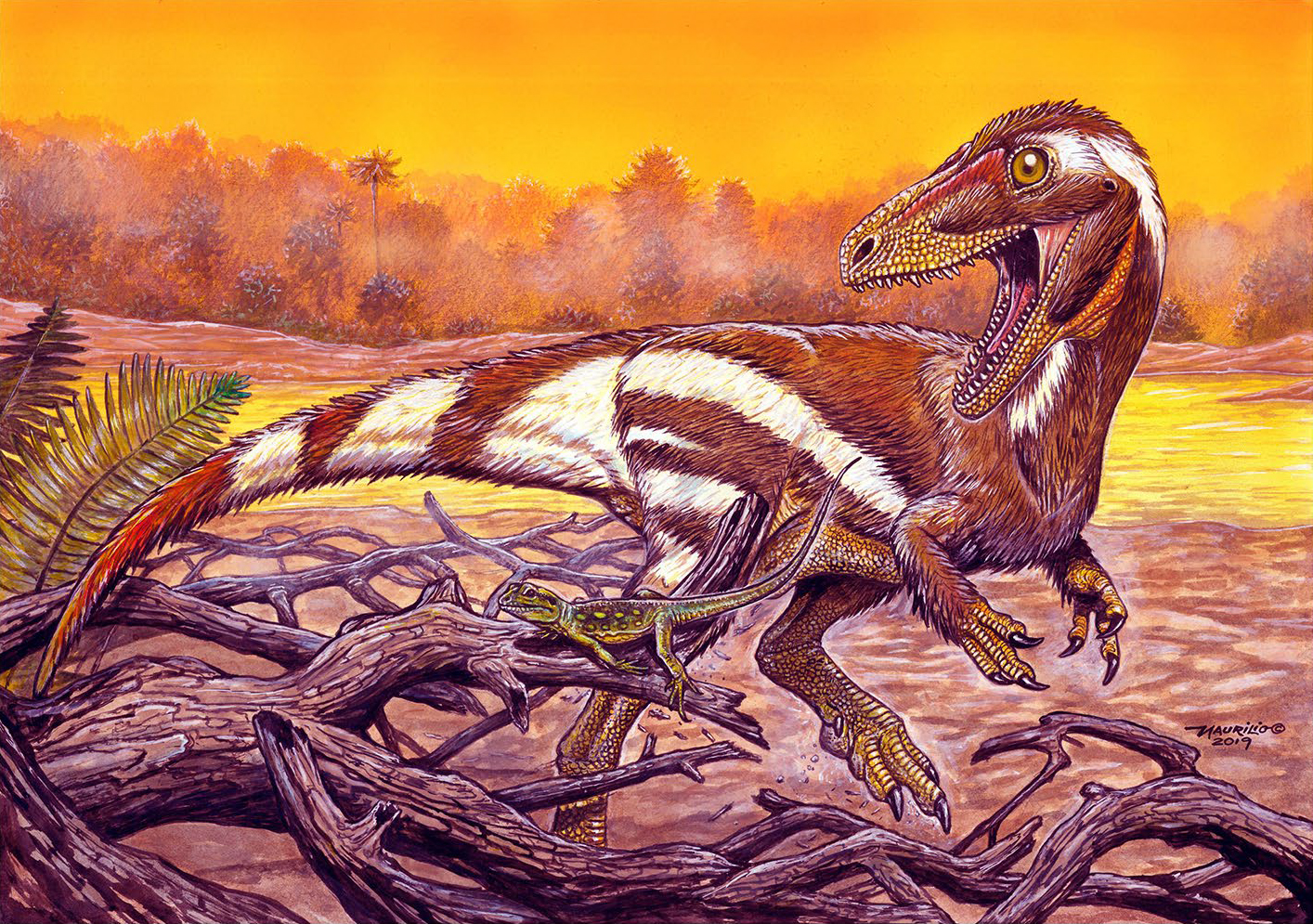
A 115-million-year-old Aratasaurus museunacionali fossil from Brazil’s Ceará state has yielded microscopic structures resembling red blood cells and chemical signatures linked to heme, a key component of hemoglobin. The researchers involved see the combination of shape, chemistry and fossil context as unusually strong evidence that blood-related material survived mineralization.
The central case rests less on the apparent cells than on chemical testing. Analyses of the leg bones found heme B and altered heme derivatives, as well as amino acids associated with collagen. The team compared material inside the bone with surrounding sediment: the sediment showed signatures associated with chlorophyll and bacteriochlorophyll, while the bone samples showed heme signatures. A second account of the study similarly argues that the chemical evidence is more significant than the structures’ appearance alone.
Lead author Kliti Grice called the result a major milestone, saying, “Detecting intact heme-derived molecules in 115-million-year-old red blood cells is astounding: this is truly a historic discovery.” The researchers attribute the exceptional preservation to rapid burial in a low-oxygen, microbe-rich setting, followed by early mineralization. Hausmannite, a manganese oxide mineral, may have helped stabilize the delicate structures and biomolecular remnants.
But the reports also draw a firm boundary around what was found. The material is neither liquid blood nor intact living tissue, and tests for DNA were negative. That means the fossil may help researchers investigate dinosaur metabolism and the evolution of blood, not recover a genome or enable cloning.
There is also a narrower scientific reservation: paleontologist Mary Schweitzer questioned whether the observed shapes match the expected form of nucleated red blood cells in non-mammalian animals. Even so, the authors contend that the mineralized structures and heme-related chemistry together justify further study of ancient fossils once thought unlikely to retain such signals.
https://brazil-test-hub.syndichain.com Brazil News Hub brazil-test-hub brazil-test-hub
Write a comment