Brazil’s Civil Code Overhaul Faces a Race Against Time and Rising Alarm
Brazil’s Civil Code Overhaul Faces a Race Against Time and Rising Alarm
Brazil’s Senate is considering whether to move ahead with PL 4/2025, a broad revision of the Civil Code that would affect family law, contracts, property and digital rules. The dispute is not only over the substance of the bill, but also over whether a vote can responsibly occur before Congress is renewed in 2027.
Critics of the proposal say the draft could reshape long-standing family protections while the final text remains unclear. They point to provisions that could allow unilateral divorce through a notary process, alter inheritance rights for surviving spouses, remove a specific witness requirement for marriage, and set rules for surrogacy and access to donor identity in assisted reproduction. Their central concern is that lawmakers may be asked to decide on politically and personally consequential changes with limited time for public debate.
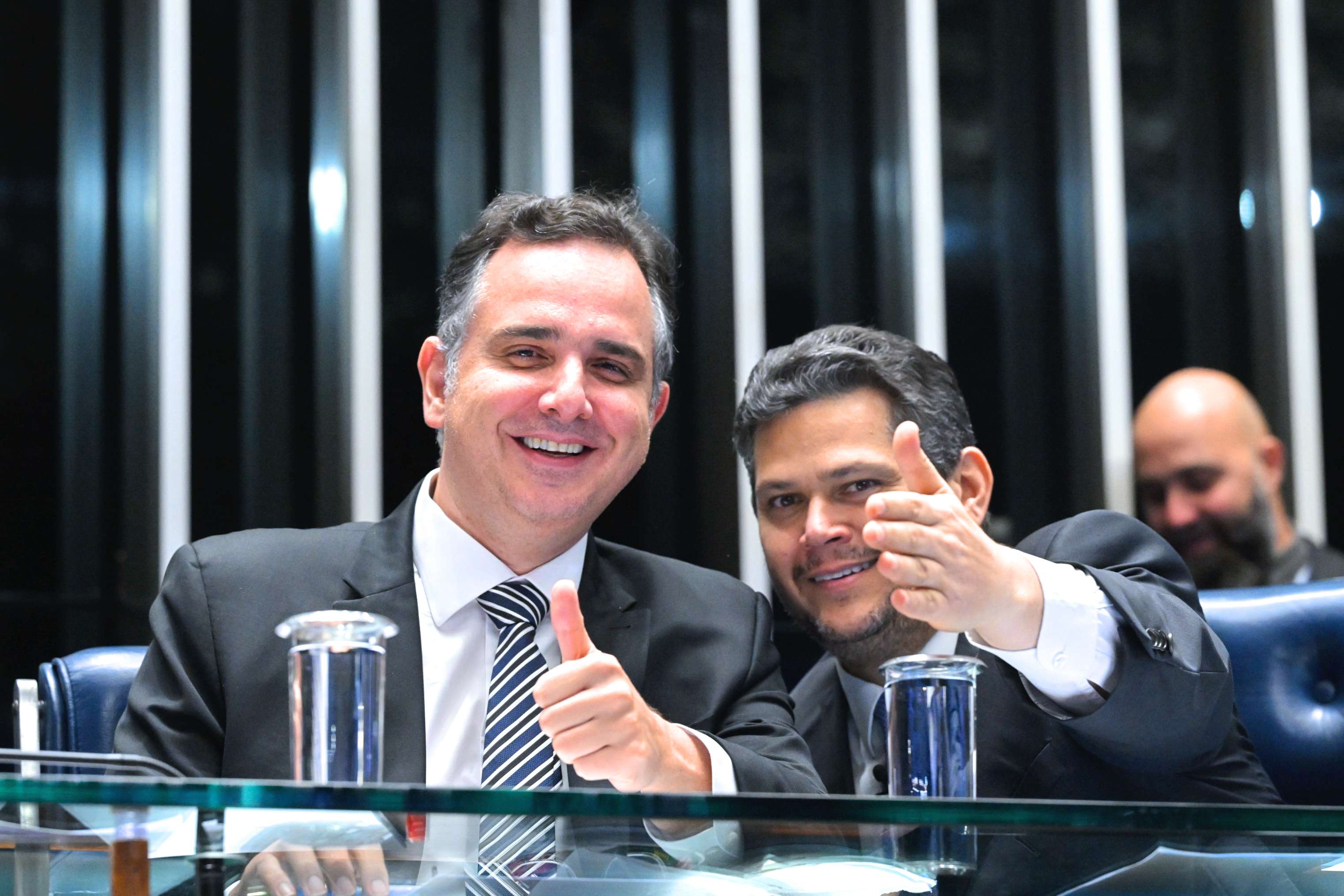
The bill’s defenders, or those seeking a narrower path, present a less sweeping approach. Efraim Filho, who took over the committee after Rodrigo Pacheco’s departure, said he had no “commitment to issues that can generate a lot of controversy,” signaling an effort to cut the text and focus on consensus. Yet the reporting notes that a consolidated version has not been published, leaving uncertainty over which family-law provisions would remain.
Economic critics make a parallel argument: they contend that legal ambiguity and extensive new obligations could increase litigation, raise borrowing costs and discourage investment. Studies cited by opponents put the potential impact as high as R$353.6 billion, although those estimates depend on how courts, banks and businesses respond to the eventual rules. Insper researcher Luciana Yeung warned that the bill could “trade legal certainty for interpretive voluntarism.”
The Senate disputes the characterization of a rushed vote. Its fact-checking service says PL 4/2025 is following the Internal Rules and has already been subject to studies, debates and public hearings. The committee’s mandate runs until December 22, 2026, but that does not preclude an earlier Senate vote; any final overhaul would also need approval from the Chamber of Deputies.
https://brazil-test-hub.syndichain.com Brazil News Hub brazil-test-hub brazil-test-hub
Write a comment