Police report rewrite deepens Brazil’s Master case rift
Police report rewrite deepens Brazil’s Master case rift
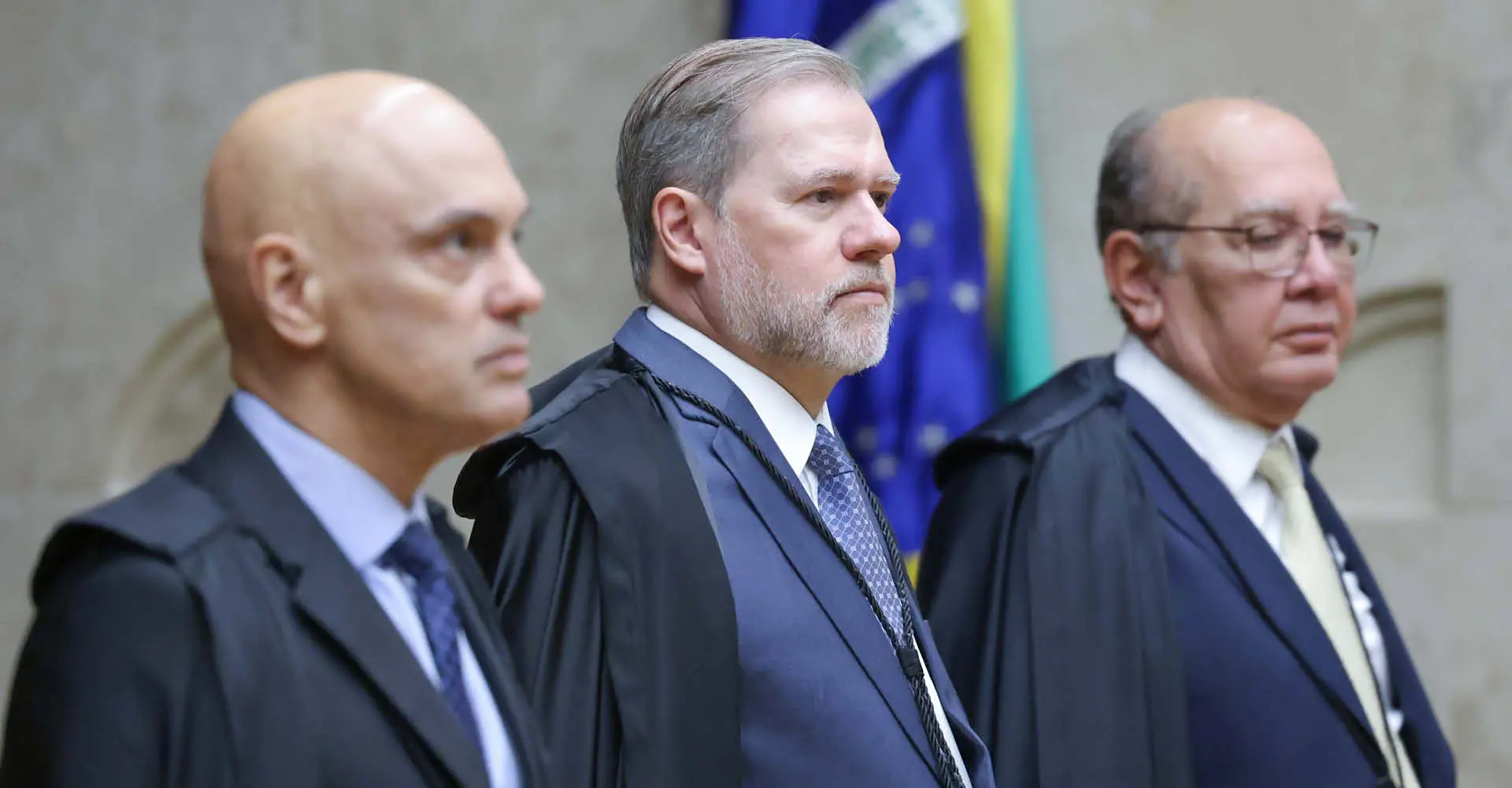
Brazil’s Federal Police is preparing fresh reports on messages recovered from former banker Daniel Vorcaro’s phone, broadening the list of Supreme Federal Court (STF) justices mentioned in the Banco Master case. The revised material is expected to cover Luiz Fux, Gilmar Mendes and André Mendonça, in addition to Alexandre de Moraes, Dias Toffoli and Kassio Nunes Marques.
Both accounts describe an institutional dispute over Chief Justice Edson Fachin’s instruction that the court receive every reference to STF justices. The central difference is how they frame the rewrite. One account says investigators believed they should send only matters with possible criminal relevance, while the Federal Police leadership demanded a complete catalogue, including routine references, with dates, interlocutors and context but no substantive assessment. It reports that Daniel Cola and Wedson Cajé lost leadership posts after the disagreement, despite an earlier plan for them to remain in place.
The other account presents the leadership’s position as a safeguard against exceeding the court’s authority. It says the earlier reports were judged inadequate because their analysis and cross-referencing went beyond Fachin’s parameters. Under the revised approach, the reports are to be descriptive records of messages, leaving the STF to decide whether any further step is warranted. “The procedure, however, does not mean that all ministers mentioned are under investigation.”
That distinction has sharpened the reaction to the delegates’ removals. Some members of the police career reportedly interpreted the moves as interference in investigators’ work; the leadership, by contrast, viewed strict limits as essential because investigative acts involving STF justices may require authorization from the court’s full bench.
The two perspectives therefore agree that the reports must be redone and that the STF will determine the consequences of the references. They diverge over whether the personnel changes reflected a loss of confidence after a methodological dispute or an effort to prevent the inquiry from crossing a legal boundary.
https://brazil-test-hub.syndichain.com Brazil News Hub brazil-test-hub brazil-test-hub
Write a comment