Nvidia’s leadership crisis pits espionage allegations against Beijing’s denial
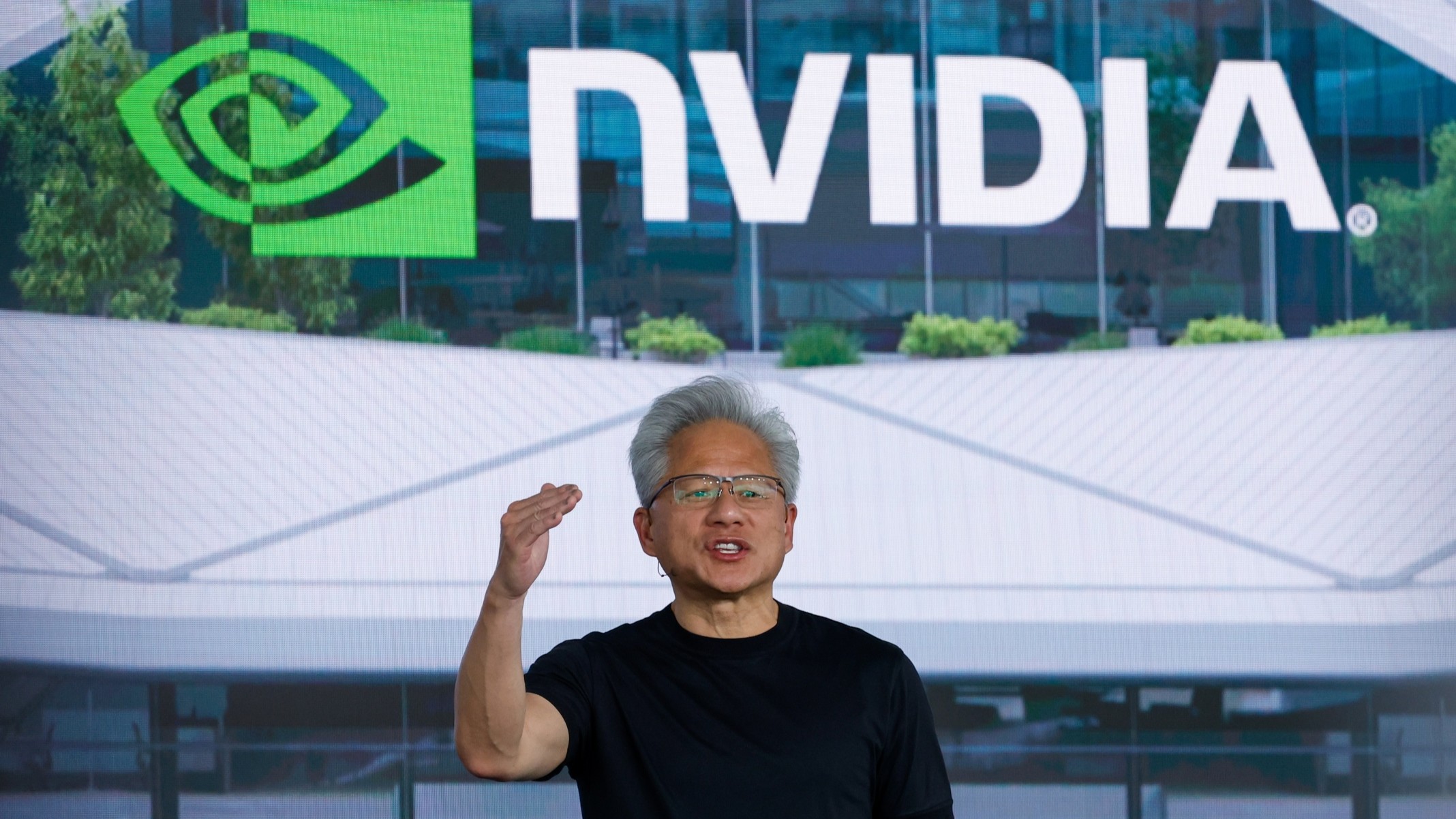
Nvidia’s leadership crisis pits espionage allegations against Beijing’s denial
The two accounts agree on the core sequence: Jensen Huang, Nvidia’s co-founder and longtime chief executive, reportedly left the company amid disclosures of extramarital relationships, and finance chief Colette Kress was named interim CEO. They differ chiefly in emphasis — between a warning about alleged technology leaks and a broader account of corporate governance, market losses and US-China chip policy.
The Brazil Right report casts the episode as an exceptional “image and security crisis,” alleging that Huang’s relationship with Alice Huang, a Singapore-based executive, raised US intelligence concerns over potential access to strategic information. It says the company opened an independent investigation into whether industrial secrets were taken, while lawmakers sought explanations over the reported security risks. The report also alleges that advanced technology worth about $7.5 billion may have been sent illegally to Chinese companies, an allegation presented as a central national-security concern.
That framing drew a sardonic response from commentator Rodrigo Constantino, who wrote: “Imagine the lives of analysts and investors who need to anticipate the CEO’s affairs…” His post points to the perceived difficulty for markets of pricing in personal conduct at the top of a company central to the artificial-intelligence sector.
The Brazil Left account similarly reports two relationships and an internal investigation, but gives greater weight to the financial and geopolitical consequences. It says Nvidia lost 25% of its value in a little over a month and ceded its position as the world’s second-most valuable company to Microsoft. It also notes that Beijing denied the espionage accusations, accusing Washington of using the case as a pretext to sustain restrictions on Nvidia’s most advanced chips.
Both versions portray a leadership crisis with consequences beyond Nvidia. Where the first sees a potential breach of US technological security, the second presents the episode as inseparable from the wider contest over access to high-end chips in China.
https://brazil-test-hub.syndichain.com Brazil News Hub brazil-test-hub brazil-test-hub
Write a comment