Brazil’s top court faces a gamble over criminal bans and online betting
Brazil’s top court faces a gamble over criminal bans and online betting
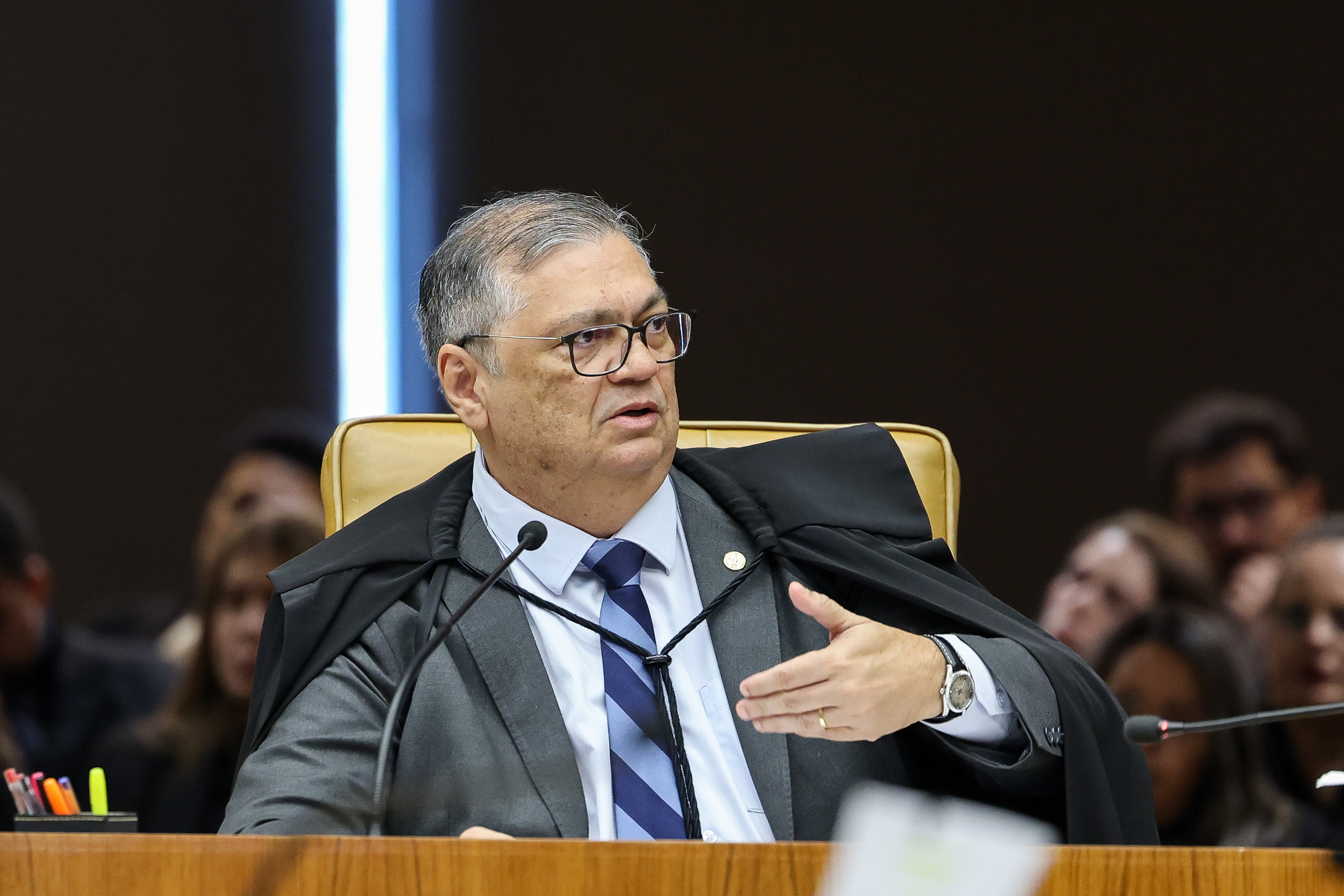
Justice Flávio Dino has released for renewed Supreme Federal Court consideration a case challenging whether operating games of chance can still be punished as a criminal misdemeanor in Brazil. The case was first heard in August, before Dino requested more time; STF President Edson Fachin must now set a date for its return.
The dispute centers on a provision of the 1941 Misdemeanor Law that penalizes the operation of games of chance, including slot machines and jogo do bicho, with up to one year in prison and a fine. Justice Luiz Fux, the case’s rapporteur, initially voted to preserve the rule.
Dino’s move is not simply procedural. He has argued that the court should address gambling alongside cases involving lotteries and online betting, seeking a consistent ruling across a sector whose rules have shifted rapidly. The court has signaled that it may combine those disputes, including challenges related to the federal government’s September measure prohibiting the operation, offering and advertising of sports betting and online games.
Those favoring a narrower criminal-law approach say a statute written before the 1988 Constitution may conflict with modern principles of individual liberty and free enterprise. They draw on the concept of “self-harm”: choosing to gamble, they argue, does not by itself justify criminal punishment, and administrative oversight or education could be more appropriate tools.
The opposing view emphasizes public-health and economic harms. The federal government has cited gambling addiction and heavy household debt in defending restrictions on online betting, while businesses and football clubs argue that abrupt rule changes disregard sponsorship contracts and investments already made.
A further divide concerns the illegal market. Advocates of liberalization say prohibition strengthens unregulated operators. Attorney General Jorge Messias rejects that logic, arguing that difficulty enforcing a ban does not require legalization; treating enforcement problems as grounds to permit a risky activity, he says, could set a dangerous precedent.
https://brazil-test-hub.syndichain.com Brazil News Hub brazil-test-hub brazil-test-hub
Write a comment