Lula’s Supreme Court choices face a tougher Senate test
Lula’s Supreme Court choices face a tougher Senate test
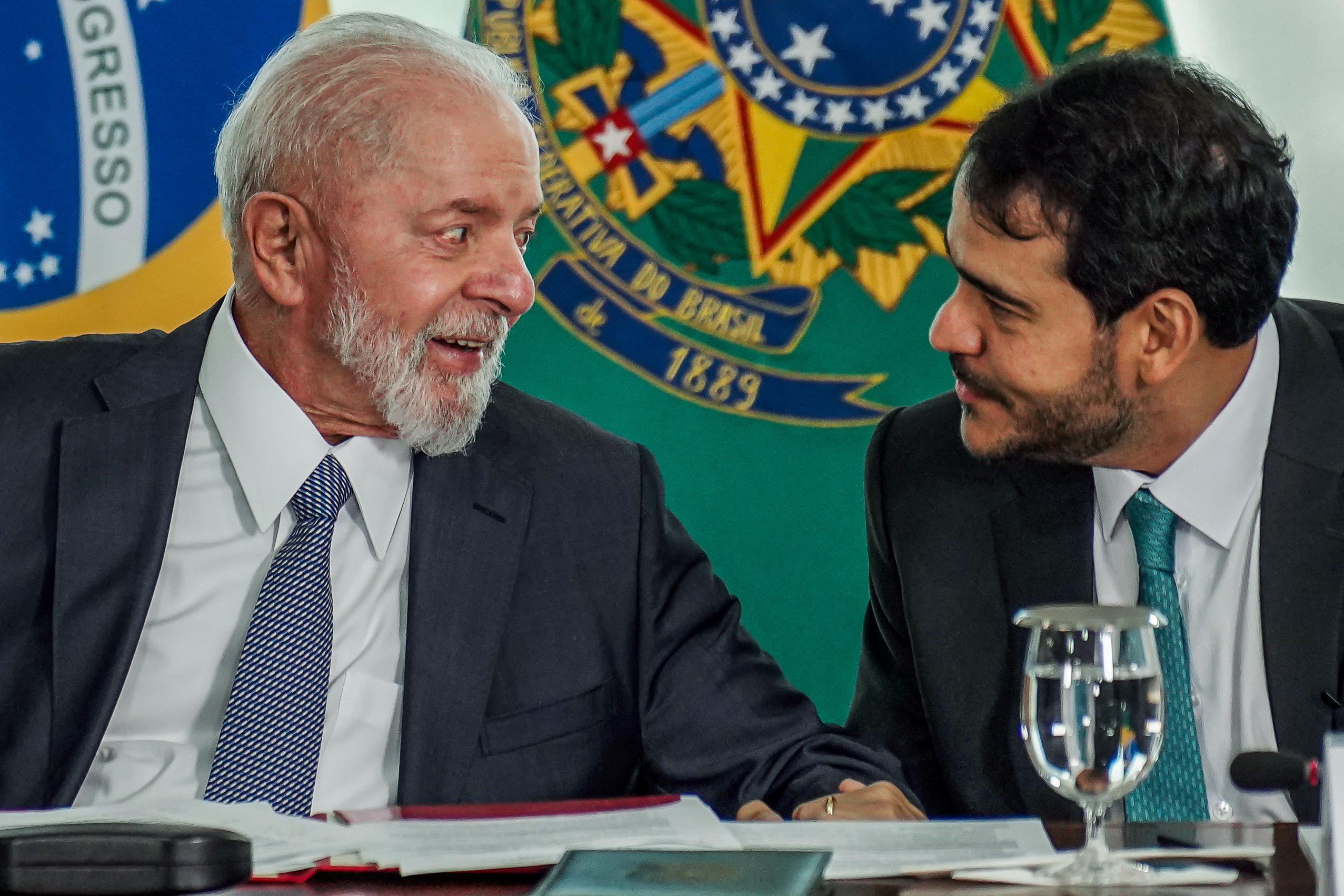
President Luiz Inácio Lula da Silva may nominate four justices to Brazil’s Supreme Federal Court (STF) by the end of 2030, but the reports portray the coming process less as a routine presidential prerogative than as a series of negotiations with an increasingly conservative Senate.
The immediate political lesson, in this account, is the 2026 rejection of then-attorney general Jorge Messias. He received 34 votes in favor and 42 against—short of the 41 needed for confirmation—and the reports describe it as the first failed Supreme Court nomination in 132 years. From 2027, the Liberal Party (PL) is expected to hold the chamber’s largest bloc, with 29 seats, compared with the Workers’ Party’s 10, increasing the opposition’s leverage over nominees.
Political scientist Márcio Coimbra argues that the executive retains the power to nominate, but that “the Senate’s filter becomes more effective and less permeable to profiles that polarize the plenary.” That view favors candidates with legislative experience or established relationships across Senate blocs—and suggests that a nominee selected chiefly for closeness to Lula could encounter coordinated resistance.
Political scientist Letícia Mendes agrees that prior coalition-building will be decisive, particularly with the Senate presidency controlling the timetable for hearings and votes. The reports link Messias’s defeat in part to friction between the presidential palace and Senate president Davi Alcolumbre, who had not been consulted beforehand and favored Rodrigo Pacheco.
Mendes, however, cautions against reducing the choice to parliamentary bargaining. “The president really should think a little more about what that person will do, given the importance of the office of minister to our democratic system,” she says. She argues that recognized legal expertise, integrity and professional record should remain central, even as Lula faces pressure to consider gender and racial representation.
The stakes extend beyond one vacancy. The reports identify openings created by Luís Roberto Barroso’s 2025 retirement and the planned mandatory retirements of Luiz Fux in 2028, Cármen Lúcia in 2029 and Gilmar Mendes in 2030. If all are confirmed, eight of the court’s 11 members by 2030 would have been chosen by PT governments, including Dilma Rousseff’s—giving the Senate added incentive, the reports argue, to scrutinize each choice closely.
https://brazil-test-hub.syndichain.com Brazil News Hub brazil-test-hub brazil-test-hub
Write a comment