Prison surveillance expansion tests the limits of legal confidentiality
Prison surveillance expansion tests the limits of legal confidentiality
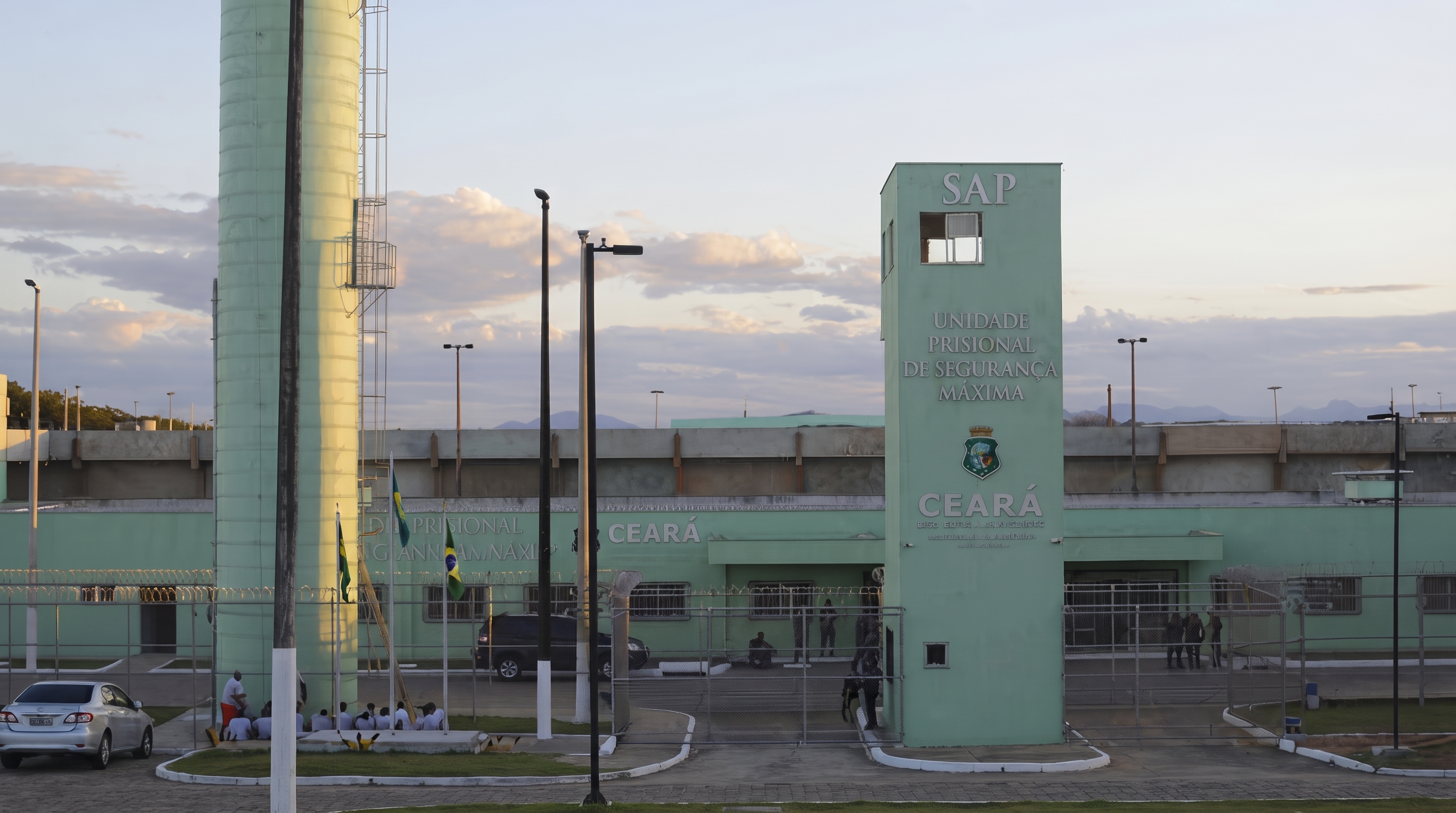
Brazilian state and federal authorities are expanding audio and video recording in parlatórios — prison rooms used for meetings with relatives and lawyers — arguing that the system can disrupt instructions for crimes issued from inside high-security facilities. The policy’s central tension is not over the need to curb organized crime, but over how far surveillance can reach when a detainee is speaking with legal counsel.
Supporters say the measure is designed to sever communications between imprisoned leaders and associates outside. Under the Raul Jungmann Law, monitoring can be requested for conversations involving alleged members of criminal groups, while recordings of lawyer-client meetings require prior judicial approval and evidence that the lawyer may be collaborating with criminal activity. The federal plan would extend the model to 138 state prisons, with Brasília providing equipment, infrastructure and training and states running the systems day to day.
Authorities point to investigations in Goiás and Ceará as evidence that the approach can expose intermediaries. In Ceará, recordings helped support the Mensageiros do Crime operation, which led to arrest warrants for 12 lawyers suspected of acting as links to criminal organizations; Goiás’ earlier Gravatas operation resulted in the arrests of 16 lawyers accused of involvement or collaboration. Those cases underpin the official view that visitation rooms can be used to relay orders for violence and extortion.
The Brazilian Bar Association, or OAB, takes a sharply different view. It challenged the Ceará program, arguing that recordings violate protections in the Constitution, the legal profession’s statute and prison-execution law; a request for an injunction was denied by the Superior Court of Justice, with the underlying case still subject to fuller review. In its public position, the OAB said: “Professional confidentiality is an indispensable guarantee for due process and the right to defense.”
The dispute therefore turns on the safeguard built into the law: officials see judicial authorization as a targeted tool against suspected criminal collaboration, while the OAB argues that even exceptional monitoring can weaken a broader public right to confidential defense.
https://brazil-test-hub.syndichain.com Brazil News Hub brazil-test-hub brazil-test-hub
Write a comment