Lula’s National Guard plan pits federal security goals against fears of political misuse
Lula’s National Guard plan pits federal security goals against fears of political misuse
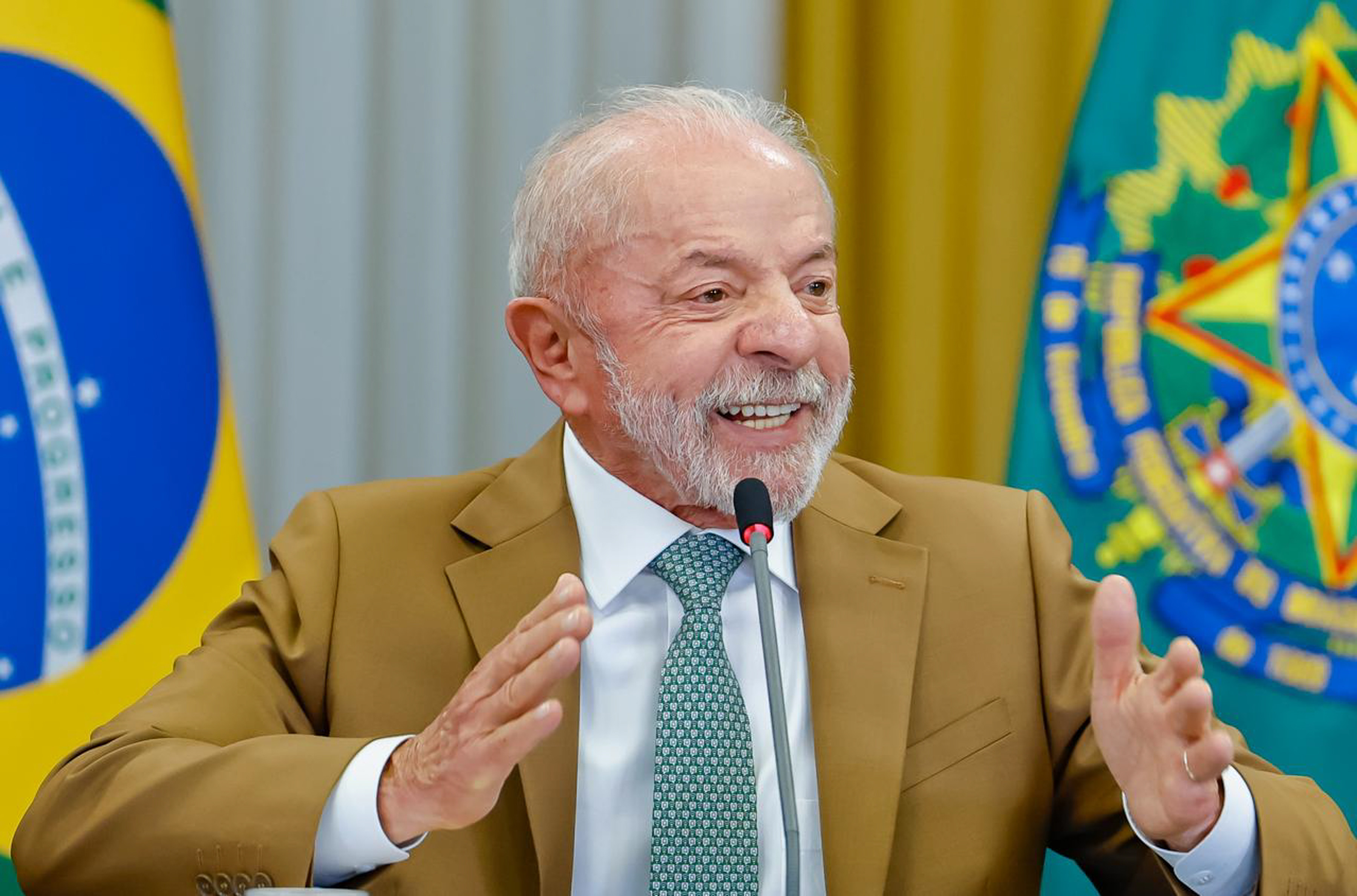
President Luiz Inácio Lula da Silva has reiterated his intention to create a permanent civilian National Guard, replacing the current National Force, a temporary program staffed by state police officers. Under the proposal described by supporters, the new body would be a federal institution with its own command structure and personnel recruited through public examinations.
The government’s case is rooted in specialization. The force would be visibly deployed to protect federal buildings in Brasília and support operations at borders, conservation areas and Indigenous lands. It is also meant to reduce reliance on the Armed Forces in Guarantee of Law and Order operations, known as GLOs. The proposed guard is described as “fixed and professional,” rather than a temporary force assembled from state-level personnel.
Opposition lawmakers and specialists, however, see the same centralization as the plan’s principal risk. Unlike the military and civil police, which answer to state governors, the proposed guard would be directly subordinated to the federal government. Critics argue that without clearly defined operational limits and robust internal controls, such a force could be used against political opponents or to restrict fundamental rights.
They have also drawn comparisons with national security models in Venezuela, Nicaragua and Iran, arguing that institutional design matters as much as the stated mission. The proposal’s backers emphasize targeted federal protection; its detractors fear a parallel force with excessive political discretion.
The project faces substantial hurdles either way. Its creation would require a constitutional amendment, meaning approval from a Congress described as conservative and potentially resistant to expanding federal control over security. It would also require sustained funding for thousands of permanent public employees, raising fiscal questions alongside the political dispute.
https://brazil-test-hub.syndichain.com Brazil News Hub brazil-test-hub brazil-test-hub
Write a comment