Closure of Brazil’s fake-news inquiry leaves secrecy dispute unresolved
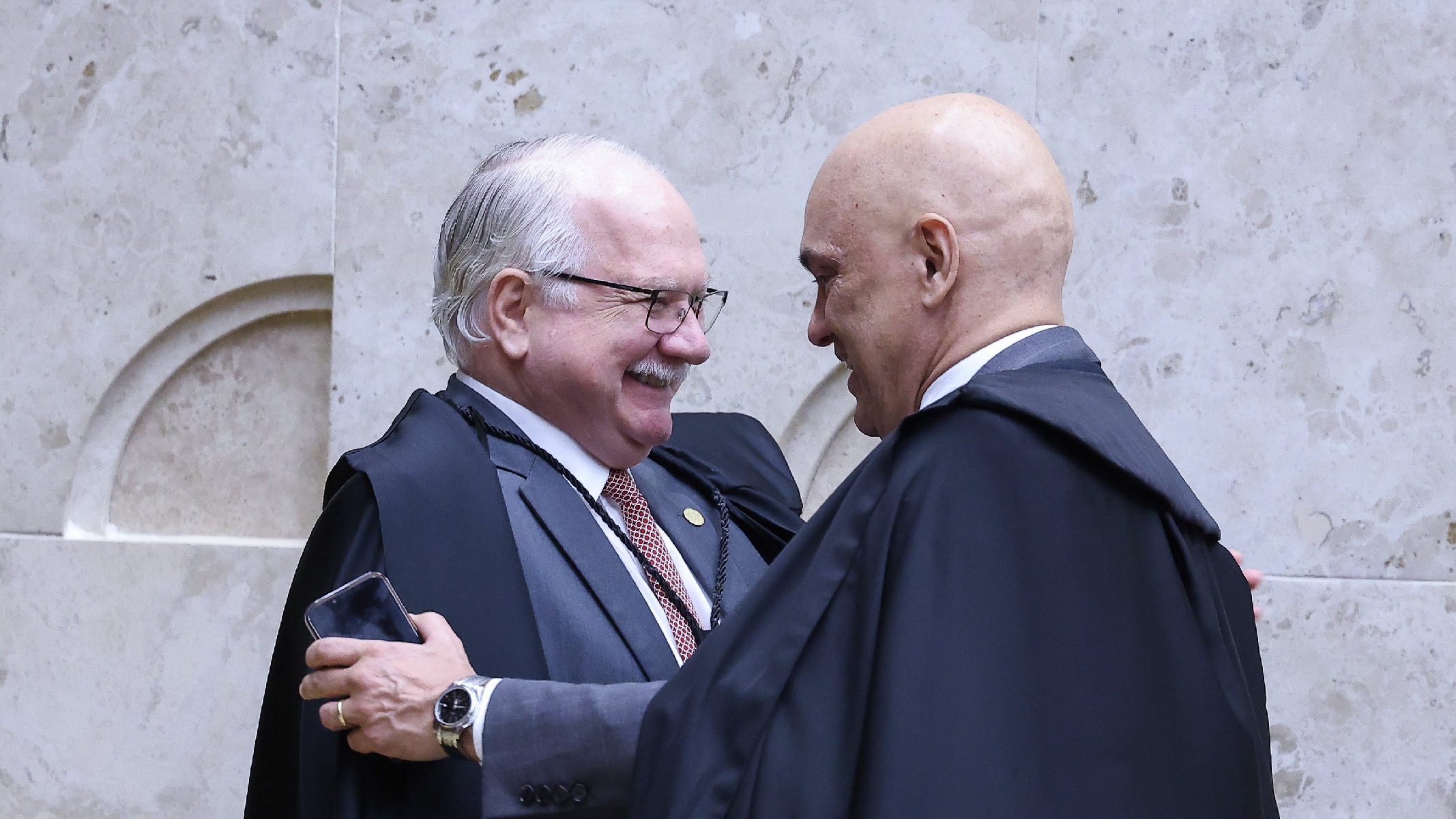
Closure of Brazil’s fake-news inquiry leaves secrecy dispute unresolved
STF President Edson Fachin has ordered the closure of the main fake-news inquiry, according to the supplied reports, while directing that secrecy be lifted after material containing protected information is separated. Critics on the Brazilian right, however, argue that the process leaves fundamental questions unanswered because no deadline has been set for disclosure and the inquiry’s broader record remains difficult to examine.
The disagreement is not simply over whether the inquiry should end. Fachin’s decision, as described in the reports, views the investigation as having contributed to the defense of democracy. Critics instead contend that closure without a public review risks preserving practices they say lacked adequate safeguards. Lawyer David Sobreira called the inquiry “uma tragédia jurídica, é uma tragédia humana, é uma tragédia constitucional” — a legal, human and constitutional tragedy.
The reports point to allegations that documents bypassed the STF’s normal judicial-secretariat workflow and went directly to staff in Justice Alexandre de Moraes’s office. They also cite concerns over staff carrying out notifications normally handled by court officers, and over Moraes occupying overlapping roles as judge, accuser and alleged target of offenses. Those allegations are presented by critics as reasons for a transparent review; the supplied material does not include a response from Moraes or the court to each claim.
A further point of contention is what remains after the main case is archived. At least 104 linked proceedings are to be assessed individually and may continue if they have a defined subject, independent legal basis and competent authority. Critics say that fragmentation could obscure the overall history and complicate challenges by people affected by earlier measures.
For those critics, publication of the full record is essential both to test the legality of past decisions and to determine whether precedents from the inquiry could shape future investigations. The closure, in this view, settles the central docket but not the debate over transparency or accountability.
https://brazil-test-hub.syndichain.com Brazil News Hub brazil-test-hub brazil-test-hub
Write a comment