Civil Code reform faces calls to slow down as Senate rejects rush claims
Civil Code reform faces calls to slow down as Senate rejects rush claims
The dispute over Brazil’s proposed Civil Code reform is less about whether the law needs scrutiny than about what meaningful scrutiny should look like for a bill spanning nearly 1,200 articles.
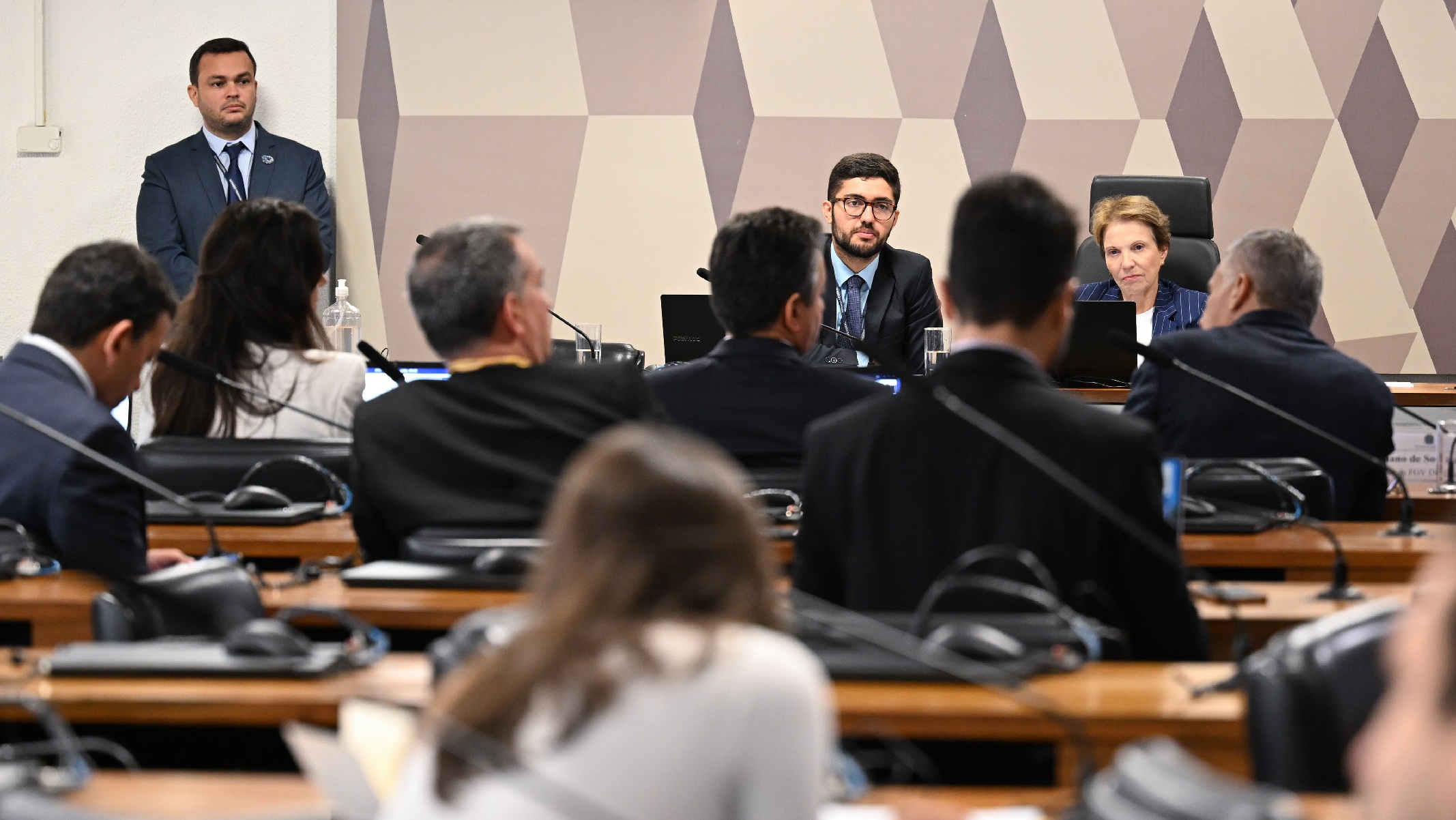
Jurists, legal organisations and business groups say the Senate Special Committee’s public hearings do not permit the depth of examination required. Speakers are generally given 10 to 15 minutes, followed by the next presentation rather than an exchange with senators or other specialists. Critics also point to the absence of a consolidated draft showing how nearly 900 proposed amendments have been handled.
A manifesto signed by 64 legal and business entities urges lawmakers not to approve the new code during the current legislative year. It says there is “no consensus on the project,” “no demonstrated urgency,” and “no justification for haste.” Regina Beatriz Tavares da Silva, president of the Association of Family and Succession Law, said the hearings have been useful but insufficient for differing schools of legal thought to be properly assessed.
Some critics challenge not only the timetable but the draft’s foundations. Civil-law professor Giordano Bruno Soares argued that the discussions are unproductive because “one cannot make adjustments to such a bad text,” and said accepting isolated suggestions would not resolve what he sees as structural problems.
The Senate’s position is different. Agência Senado has described as false the claim that the reform is being voted through hastily, saying the base text has been available since the start of proceedings and that technical studies, public hearings and expert debates have followed the chamber’s rules. Critics do not necessarily dispute that those steps occurred; instead, they argue that formal compliance does not answer the central question of whether the eventual text—and the treatment of amendments—can be adequately evaluated before the committee seeks to conclude its work.
Even if approved by the committee, the proposal would still require votes in the full Senate and then the Chamber of Deputies.
https://brazil-test-hub.syndichain.com Brazil News Hub brazil-test-hub brazil-test-hub
Write a comment