Epstein Autopsy Review Rekindles Dispute Over Suicide Finding
Epstein Autopsy Review Rekindles Dispute Over Suicide Finding
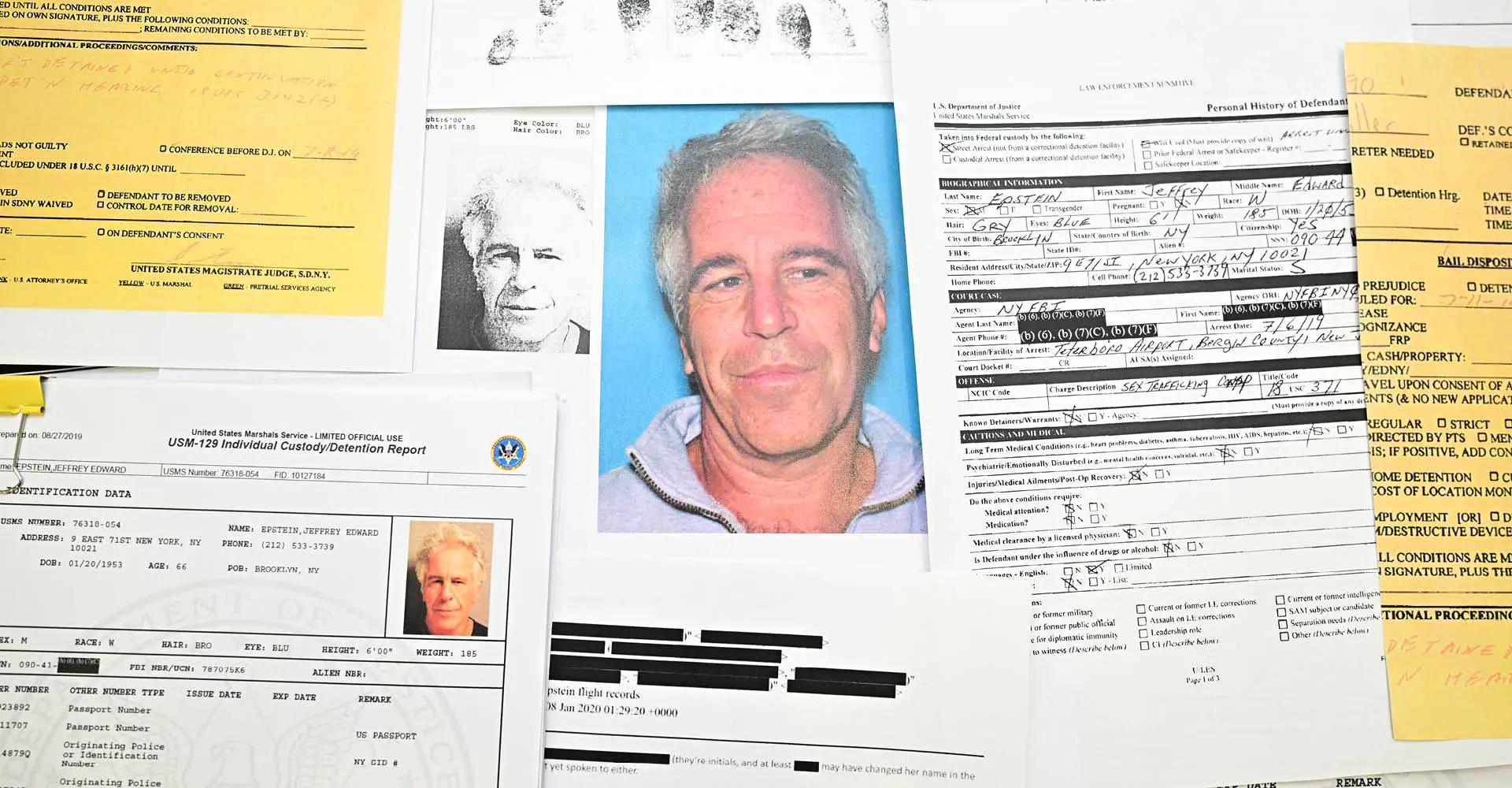
A group of forensic specialists has reopened debate over Jeffrey Epstein’s 2019 death, arguing that autopsy photographs and records point more strongly to homicide by strangulation than to suicide by hanging. New York’s Office of Chief Medical Examiner, however, has reaffirmed its original conclusion that Epstein died by suicide.
Michael Freeman, a forensic epidemiology consultant who reviewed the material supplied by Epstein’s brother Mark, said the neck injuries did not resemble the pattern normally expected in a suicidal hanging. In a London presentation, Freeman and fellow reviewers Anders Eriksson and Itiel Dror said the ligature marks were more consistent with strangulation from behind, possibly involving a narrow, knotted fabric ligature.
Freeman’s interpretation rests not only on the neck marks, including what he described as branching, Y-shaped injuries, but also on a deep shoulder hemorrhage, facial injuries and possible fingernail marks above the neck wound. He concluded that “the pattern, distribution and number of injuries are not explained by a suicidal hanging.” The reviewers also questioned the early handling of the scene, noting claims that there were no photographs of Epstein hanging, that the cell was not preserved for forensic work, and that much of the camera system was not operating.
The official account draws the opposite inference from the evidence. Kristin Roman, the medical examiner who conducted the autopsy, told federal investigators that the injuries were compatible with hanging and that the body lacked indications commonly associated with a struggle, such as injuries to the hands or material beneath the fingernails. The New York medical examiner’s office has said it continues to maintain the suicide finding.
The disagreement is therefore not over whether injuries existed, but over how to interpret them. Freeman’s review has not undergone peer review, a limitation noted in reporting on the presentation, while the city’s ruling remains the official determination.
https://brazil-test-hub.syndichain.com Brazil News Hub brazil-test-hub brazil-test-hub
Write a comment