Nuclear pledge unites Trump, Xi and Putin, but doubts shadow its reach
Nuclear pledge unites Trump, Xi and Putin, but doubts shadow its reach
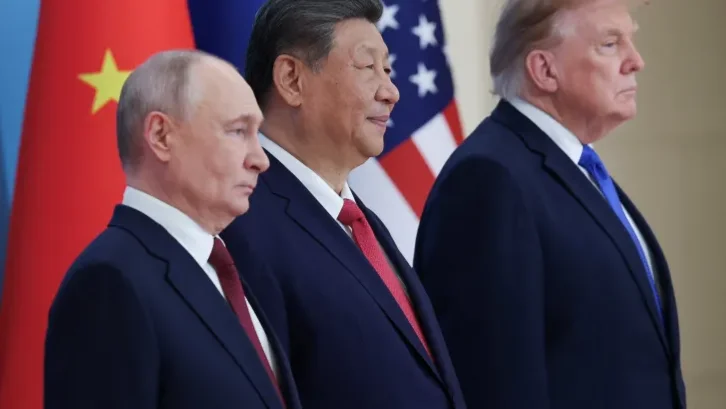
Donald Trump, Xi Jinping and Vladimir Putin used their first trilateral meeting in Shenzhen to declare that nuclear war must never be fought, while also setting out shared positions on UN reform, energy supply and international legal jurisdiction.
Right-leaning Brazilian coverage cast the statement as a significant peace-oriented intervention by countries holding the world’s largest nuclear arsenals. The leaders said that “a nuclear war cannot be won and must never be fought,” and committed to talks on lowering nuclear risks and preventing proliferation. One account argued that the issue has gained urgency since the New START arms-control treaty between Washington and Moscow expired in February, although it noted that China has resisted joining disarmament negotiations while expanding its arsenal.
That coverage also highlighted Xi’s call for nuclear weapons to be completely banned and eliminated, Trump’s stated aim of preventing Iran from acquiring a nuclear weapon, and the three governments’ interest in keeping direct communication open to avoid miscalculation. It presented the meeting as an opportunity to extend dialogue beyond nuclear policy, including the Ukraine war, trade tensions and energy security.
Left-leaning accounts focused more closely on what the declaration leaves unresolved. They noted that its nuclear language contains no disarmament targets, deadlines or verification mechanism, despite the commitment to hold further risk-reduction talks. They also stressed that the communiqué did not address the wars in Ukraine and Iran or Israel’s military campaign in Gaza.
The same accounts examined the declaration’s opposition to what it called jurisdictional overreach by the International Criminal Court, alongside its emphasis on state consent and official immunities. That position carries particular diplomatic weight for Putin, who faces an ICC arrest warrant connected to allegations involving the deportation and transfer of Ukrainian children.
Both strands of coverage agree that the summit produced an unusual joint commitment among Washington, Beijing and Moscow. Their difference is over its meaning: one sees a potentially consequential opening for nuclear diplomacy; the other sees broad principles that remain untested by concrete obligations and ongoing wars.
https://brazil-test-hub.syndichain.com Brazil News Hub brazil-test-hub brazil-test-hub
Write a comment