COP31 deadlock pits procedural limits against blame over fossil fuels
COP31 deadlock pits procedural limits against blame over fossil fuels
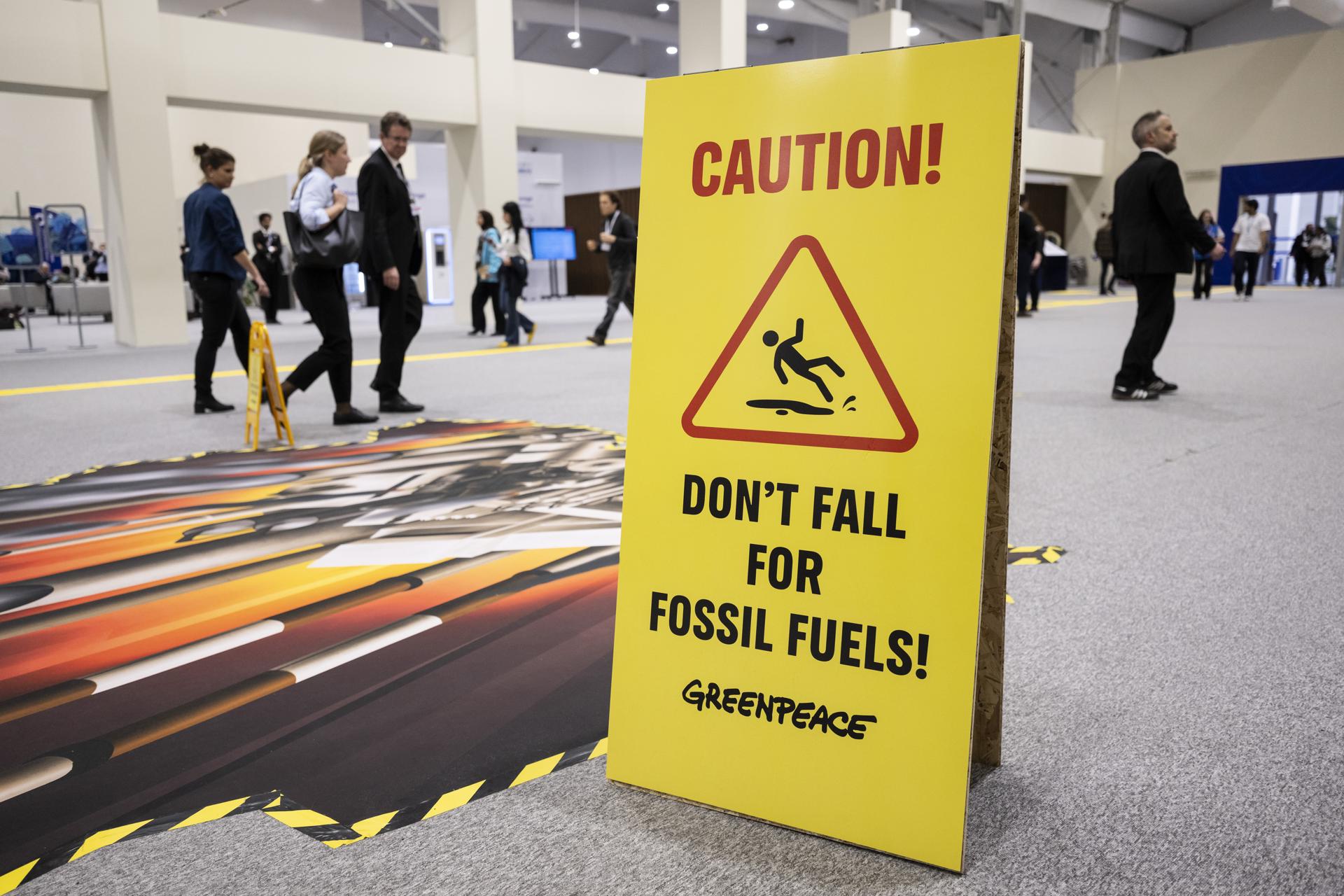
COP31 in Antalya, Turkey, ended without agreement on its political text after running more than 44 hours beyond its scheduled close, making it the longest UN climate summit on record. The central disagreements concerned whether the document should explicitly address coal, oil and gas, and how much financial support should be committed to developing countries.
The Brazil Right account presents the outcome primarily as a procedural and policy deadlock. Because UN climate decisions require consensus, resistance from delegations prevented approval of a draft that referred only indirectly to the COP28 commitment to move away from fossil fuels. Saudi Arabia and Russia opposed more explicit language, while the European Union and Panama rejected the weaker formulation. It also notes that a proposed $120 billion annual adaptation-finance figure did not survive into the final version, leaving vulnerable countries seeking firmer commitments.
The Brazil Left account shares the view that the fossil-fuel dispute was decisive, but assigns greater responsibility to oil-producing states. It says the EU and Panama refused to back a text that omitted a commitment to leave fossil fuels behind, and reports Irish climate minister Darragh O’Brien as saying the EU would not approve a decision that did not even mention fossil fuels, which he called the main driver of climate change. The account says O’Brien viewed the summit as having been captured by oil states.
The two accounts also contrast the proposed alternatives. The first notes supporters’ interest in carbon capture, utilisation and storage alongside environmental concerns that it could extend fossil-fuel extraction. The second stresses criticism from environmental groups and the EU, while quoting Saudi negotiator Mohamad Ayub’s position that countries should be able to choose solutions suited to their circumstances.
Despite the collapse of the overarching text, both accounts point to narrower progress: more than 90 countries joined an electrification commitment, while a Turkish-backed proposal aimed to raise electricity’s share of global energy consumption to 35% by 2035.
https://brazil-test-hub.syndichain.com Brazil News Hub brazil-test-hub brazil-test-hub
Write a comment