Ultimate Bitcoin Explorer Guide: How It Works, Why It Matters, and How to Use It
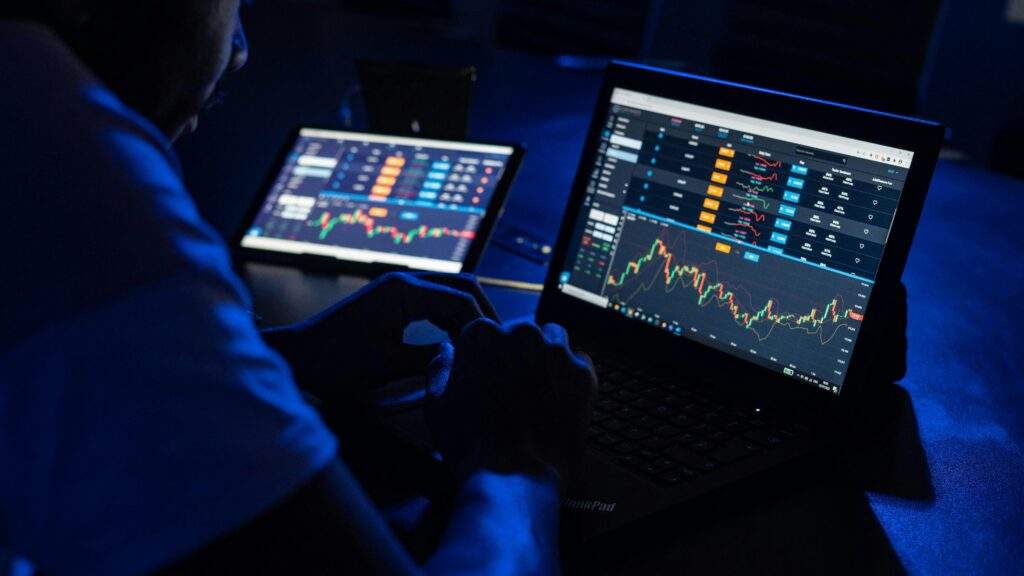
When you send or receive [bitcoin](https://lightning.news/breez-sdk-q2-2025/), that transaction doesn’t vanish into thin air; it’s recorded on a public ledger known as the Bitcoin blockchain. But how do you see what’s happening on that ledger?
That’s where a Bitcoin explorer comes in. A Bitcoin explorer (also called a Bitcoin blockchain explorer or Bitcoin block explorer) is a tool that lets anyone view real-time activity on the Bitcoin network, from tracking individual transactions to checking the status of a wallet or monitoring network fees.
Whether you’re a beginner double-checking if your Bitcoin arrived or a developer analyzing mempool congestion, a Bitcoin explorer helps you interact with on-chain data clearly and transparently.
In this guide, we’ll walk through what a Bitcoin explorer is, how it works, and why it’s worth learning, especially if you want to understand what’s happening behind the scenes when you use Bitcoin.
Table of Contents
What is a Bitcoin Explorer?
A Bitcoin explorer is a free, web-based tool that lets anyone search and view data recorded on the Bitcoin blockchain.
It’s often referred to as a Bitcoin blockchain explorer or Bitcoin block explorer, and its main function is to make raw blockchain data human-readable.
At its core, the Bitcoin blockchain is a chain of blocks, each containing a batch of transactions.
These blocks are constantly being added, forming a permanent, public history of all Bitcoin activity.
A Bitcoin explorer pulls this data directly from the network and presents it in a searchable format.
With a Bitcoin explorer, you can:
Whether you’re trying to confirm that your Bitcoin was sent, curious about wallet activity, or simply want to understand how the Bitcoin network is functioning in real time, a Bitcoin explorer makes this information accessible.
Here’s a clean, real-world screenshot of a Bitcoin block explorer interface, similar to Blockchain.com’s. A few key areas stand out:

1. Search bar at the top: Enter a transaction ID, block number, or wallet address.
2. Latest blocks feed: Shows recent block height, timestamp, and number of transactions.
3. Recent transactions list: Displays transaction IDs, amounts, and confirmation counts.
How a Bitcoin Explorer Works
A Bitcoin explorer may look simple on the surface, but it’s doing a lot of work behind the scenes to fetch and display live data from the Bitcoin blockchain.
To understand how it works, let’s break it down into the key components it interacts with:
### Blocks
The Bitcoin network adds a new block roughly every 10 minutes. Each block contains a bundle of confirmed transactions. A Bitcoin block explorer displays details like:
### Transactions
Every time Bitcoin is sent or received, it creates a transaction. Each transaction has a unique ID (called a transaction hash) and includes:
A Bitcoin blockchain explorer lets you search by transaction ID to see where the Bitcoin came from, where it’s going, and whether it’s been confirmed.
### Wallet Addresses
You can also search any Bitcoin wallet address to see:
This is especially useful for people tracking payments, donations, or wallet activity. It’s public, but not tied to your real name.
### Mempool (Unconfirmed Transactions)
Before a transaction gets added to a block, it waits in the mempool (short for memory pool). This is a temporary holding space for all unconfirmed transactions.
A Bitcoin blockchain explorer lets you:
### So, How Does It Work?
Behind the scenes, a Bitcoin explorer connects to a full node, a computer that stores a complete copy of the Bitcoin blockchain.
The explorer:
That means you’re not relying on a third party to “tell you” what’s happening; you’re seeing the actual on-chain data, live from the Bitcoin network.
A good Bitcoin explorer turns a complex stream of blockchain data into something anyone can read, search, and understand.
It’s what makes the Bitcoin network transparent, verifiable, and easy to inspect, even if you’re not a developer.
Why a Bitcoin Explorer Matters
If Bitcoin is supposed to be transparent, how do you see that transparency in action?
That’s exactly where a Bitcoin Explorer, also known as a Bitcoin Blockchain Explorer or Bitcoin Block Explorer, proves its value.
Whether you’re a regular user sending and receiving Bitcoin, a business tracking payments, or a developer building on Bitcoin, a block explorer is your window into what’s happening on-chain.
Let’s break down why it matters:
### 1\. Transparency You Can Trust
One of Bitcoin’s biggest promises is transparency, and a Bitcoin Explorer is the tool that delivers on that promise.
You can:
Unlike banks or payment processors, Bitcoin doesn’t require blind trust. A Bitcoin Blockchain Explorer gives you the ability to see the truth for yourself.
### 2\. Self-Verification (No Middlemen Needed)
Bitcoin was built on the idea of self-sovereignty, meaning you should be able to verify what’s happening without relying on third parties.
With a Bitcoin Block Explorer, you don’t have to ask someone if your Bitcoin arrived; you can check the transaction ID (TXID) yourself and confirm how many confirmations it has.
This is crucial for:
It’s all publicly accessible, in real time, with no login required.
### **3\. Secu
Write a comment