Palm Springs Dubai residential market legal guide
- What the buyer is actually purchasing
- Documents that deserve legal review
- Customs clearance and imported furniture
- Accounting and tax records for buyers
- Payment planning and visa claims
- FAQ
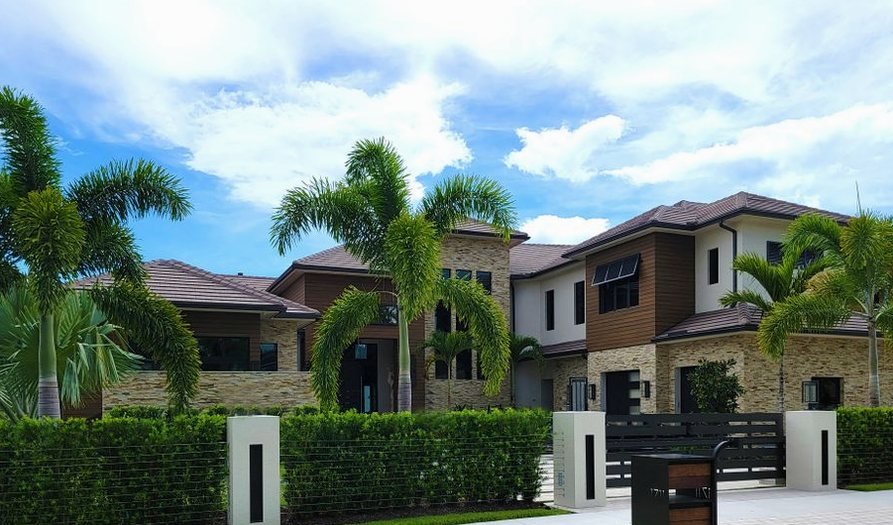
The Palm Springs Dubai residential market is an off-plan market, so legal review should focus on the sale agreement, payment schedule, project status, and buyer records. Phase 1 prices start at AED 3.8 million for three-bedroom townhouses, while villas start at AED 7 million. Every purchase follows a 60/40 plan, with the final 40% due at handover, currently estimated for Q4 2030.
The community remains under development. Nakheel launched Palm Springs in November 2026, with the first release covering about 500 homes across townhouse and villa neighborhoods. That timing affects both financial planning and document checks because buyers commit before construction is complete.
What the buyer is actually purchasing
Phase 1 includes Aliso townhouses and Rancho villas. Three-bedroom Aliso homes start at AED 3.8 million and cover about 2,328.6 square feet. Four-bedroom options start at AED 4.6 million for G+1 homes and AED 5.2 million for G+2 homes.
Rancho villas start at AED 7 million for four bedrooms and AED 8.9 million for five bedrooms. Villa sizes range from 4,041.4 to 4,921.4 square feet. The purchase documents should identify the exact neighborhood, unit, plot, built-up area, bedrooms, private garden or courtyard, and any included specifications.
Swimming pools and landscaping are the owner’s responsibility for the villas. District cooling is part of the villa design, but that does not remove the need to check connection arrangements, operating charges, and handover obligations in the contract.
Documents that deserve legal review
The reservation and sale documents should match the property details shown during the sales process. Check the buyer’s legal name, passport details, nationality, unit number, purchase price, payment dates, handover estimate, and procedures for amendments or cancellation.
- Keep the signed sale agreement and every annex in one controlled file.
- Match each payment receipt to the relevant installment and unit.
- Request written confirmation of the 60/40 structure before transferring funds.
- Check which party handles registration, transfer paperwork, and administrative charges.
- Record promised facilities as planned items, not as completed amenities.
The masterplan includes Canyon Park, Thousand Palms Country Club, Silver Spur Racquet Club, schools, a hospital, mosques, retail, and more than 35 kilometers of planned routes. These items describe future development, so the contract should distinguish the purchased home from facilities that remain to be built.
A buyer reviewing the Palm Springs Dubai residential market should also confirm whether a statement concerns the whole masterplan or the specific phase. Confusing a future community feature with a contractual delivery obligation creates avoidable disputes.
Customs clearance and imported furniture
Buying a villa or townhouse does not require customs clearance for the real estate transaction. Customs documents become relevant only when the owner separately imports furniture, appliances, vehicles, or building materials into the UAE.
Those shipments should have invoices, packing lists, transport documents, and any required import records. The property purchase file should remain separate from the import file. Mixing both transactions can make it harder to prove whether a payment relates to the home, fit-out work, or personal goods.
For villa owners, this distinction matters because landscaping and swimming pools are not included in the stated package. A contractor invoice, imported equipment, or landscaping shipment should be tracked as a separate project cost rather than added informally to the property price.
Accounting and tax records for buyers
Accountants need a complete acquisition file. It should include the contract, payment schedule, bank confirmations, receipts, identification documents, ownership records, and invoices for professional services or property-related work.
Businesses buying through a company should document the commercial reason for the purchase and keep corporate approvals with the transaction file. Personal and corporate funds should not be mixed because unclear payment trails can complicate bookkeeping and later resale documentation.
The source material does not provide a full tax schedule for Palm Springs purchases. Tax treatment can depend on the buyer’s residency, ownership structure, use of the property, rental activity, resale, and current UAE rules. A local accountant should confirm the treatment before signing, especially when the buyer is purchasing through an overseas company.
Payment planning and visa claims
The 60/40 plan reduces the amount due at booking, but it creates a substantial handover obligation. A buyer of a AED 3.8 million townhouse would need to plan for 40% of the price at handover, subject to the contract and any separately stated charges.
The source material states that property purchases from AED 2 million may support an application for a 10-year Golden Visa, with family eligibility described for spouses and children. Buyers should treat this as an application route rather than an automatic entitlement and confirm the current requirements with the relevant UAE authority.
FAQ
Does buying in Palm Springs require customs clearance?
No. Customs paperwork applies to separately imported goods, such as furniture or appliances, not to the property purchase itself.
What payment structure applies in Phase 1?
Phase 1 uses a 60/40 plan. The remaining 40% is due at handover under the sale agreement.
Are Palm Springs facilities already operating?
No. The community is off-plan, and the parks, clubs, schools, hospital, and retail facilities described in the masterplan remain planned.
What should accountants retain?
Keep the signed contract, receipts, bank confirmations, ownership records, identity documents, and separate invoices for imported goods or improvement work.
- Reference: https://palm-springs-dubai.ae/
Write a comment