The evil wolf fairy tale for kids explained
- Which reading format fits the group
- How the story’s cargo changes by format
- Comparison by batch size and timeline
- Where to read the full tale
- Questions that keep the discussion concrete
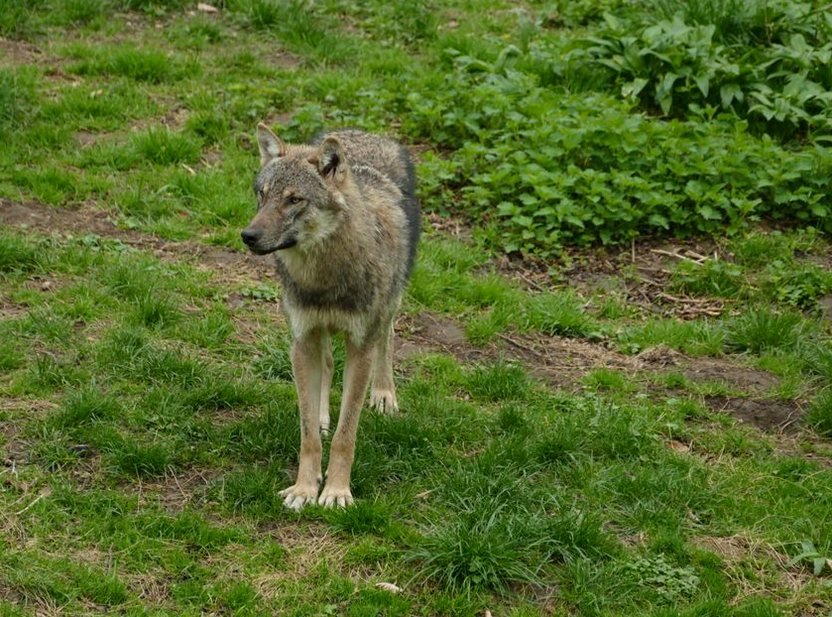
The evil wolf fairy tale for kids works best as a short read-aloud about labels, fear, and conflicting points of view. Its story can be “transported” to children through a one-to-one reading, a small group performance, or a classroom discussion, with each format serving a different audience size and time limit.
The tale follows a hare who has spent his days escaping a wolf. The wolf wants to eat him, so the hare calls him evil. The wolf rejects that judgment and says he is merely hungry. Their disagreement turns into a bet, and the animals gather in a forest clearing to decide whether the wolf is cruel or simply acting according to nature.
Which reading format fits the group
For one child, direct reading is the most practical option. An adult can pause after the wolf says he wants to eat the hare and ask whether hunger excuses chasing someone. This format carries the emotional details clearly because the child can react without waiting for a larger group.
A small group of two to six children suits a short role-play. One child can narrate, another can act as the hare, and others can speak as the wolf, squirrel, hedgehog, fox, or bear. The group does not need costumes or props. A stump, clearing, or forest council can be represented with simple movement, keeping preparation short.
A larger class needs a different transport method for the story. The teacher can read the narrative while assigning children to animal groups. Young hares may repeat their complaints, the squirrel may describe her fear, the hedgehog may offer a more limited opinion, and the fox may defend the wolf. This distributes the story’s evidence across the room instead of giving every child a long part.
How the story’s cargo changes by format
The central cargo is the conflict between personal experience and a broader judgment. The hares see repeated pursuit and danger. The hedgehog has not been harmed by the wolf. The fox claims that the wolf is a good companion because the wolf helps him hunt.
Those details should travel together when the tale is read aloud. Removing the hares’ fear makes the wolf seem harmless, while removing the bear’s explanation makes the ending feel arbitrary. Children need both sides before they can assess the argument.
The bear adds the wider view. He says that the wolf has a function in the forest and is not evil by nature, but he also tells the wolf to stop chasing hares so often. That distinction gives the story its practical lesson: a creature may follow its nature while still causing fear and harm to another creature.
The fox’s testimony needs careful handling. He is the wolf’s only friend, and his defense may be biased. The children can compare his statement with the direct experiences of the young hares and the squirrel. This makes the forest council a simple exercise in weighing testimony rather than accepting the loudest speaker.
Comparison by batch size and timeline
For a single child, plan one uninterrupted reading followed by two or three questions. For a group of three or four, add brief character assignments and let each child speak once. For a full class, divide the animals into groups and reserve time for the council scene.
Exact reading times are not supplied by the tale, so any schedule must be hypothetical. Suppose an adult reads 150 words per minute and the selected version contains 900 words. The reading itself would take about six minutes. Adding two minutes for pauses suits one child, while a small role-play could require another five minutes. A classroom performance with several animal groups might need 15 minutes or more because each group must receive instructions.
This calculation helps choose the format without pretending that every child needs the same amount of time. A short one-to-one session carries the plot efficiently. A larger batch of children takes longer, but it gives them a chance to test the wolf’s claim, the hare’s accusation, and the bear’s judgment through speech.
Where to read the full tale
The complete version is available as the evil wolf fairy tale for kids. Read it once before presenting it to children, because the ending depends on the wolf interpreting the bet in his own favor.
The wolf believes he has won after the bear says he is not evil. He immediately tries to eat the hare, but the hare escapes and points out that they never shook paws. This preserves the playful tone while showing that a verbal agreement can fail when the participants understand it differently.
Questions that keep the discussion concrete
- Was the hare wrong to call the wolf evil after being chased repeatedly?
- Does the wolf’s role in the forest excuse frightening the hares?
- Can the fox be trusted when he is the wolf’s only friend?
- Did the bear solve the dispute, or only explain both sides?
The strongest reading keeps the ending open enough for children to judge the characters themselves. The hare remains clever, the wolf remains hungry, and the forest returns to its old pattern of pursuit.
Write a comment