Little tractor fairy tale for kids Budget Guide
- What should be included in the budget
- How tariff structure changes the total
- Where budget cuts are safe
- Compliance checks before publication
- Frequently asked questions
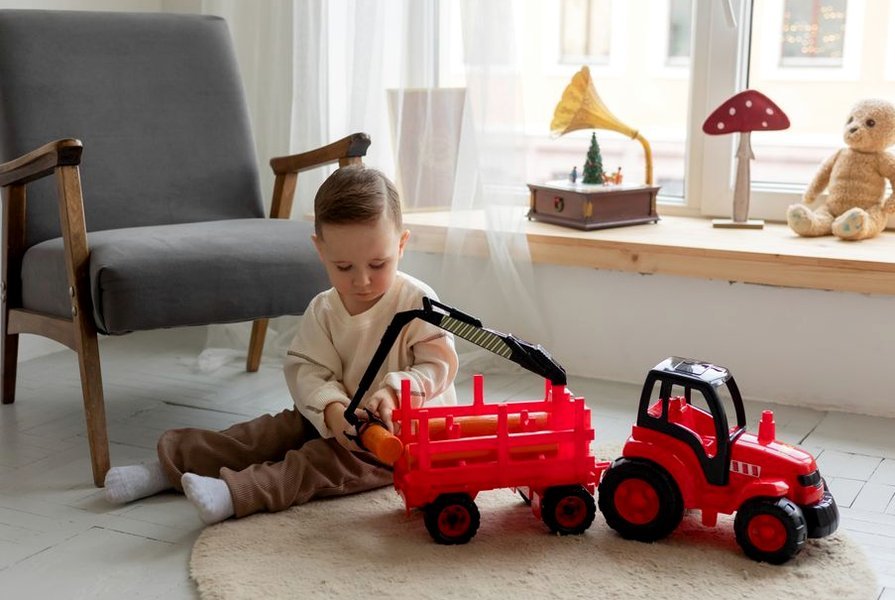
A little tractor fairy tale for kids can cost nothing to read online, but publishing, adapting, recording, or illustrating it may involve separate charges. The final budget depends on the format, the amount of new work, the platform tariff, and whether the text and artwork are cleared for use.
The source story follows a small yellow-eyed tractor who feels lonely among larger cars. After winter covers the roads with snow, the tractor rescues the cars that once mocked him. That simple plot makes the story suitable for a short reading session, an illustrated page, an audio recording, or a classroom activity.
What should be included in the budget
Start with the product you want to create. A text-only reading has fewer cost items than a picture book or narrated video, because it may need no commissioned artwork, voice recording, animation, or editing.
- A web reading usually involves the publication platform, text preparation, and any required content review.
- An illustrated version adds character sketches, backgrounds, page composition, corrections, and file preparation.
- An audio edition may require a narrator, recording equipment, sound editing, music rights, and a final quality check.
- A video adaptation can add storyboarding, animation, voice work, subtitles, sound design, and several rounds of revision.
No price list appears with this story, so an exact total would be invented without a supplier quote. Ask each contractor or platform to separate the charge for production from the charge for distribution. That separation makes it easier to compare offers and identify a tariff that covers services you do not need.
How tariff structure changes the total
Tariffs often depend on the selected format rather than the story length alone. A short tale can still become expensive if it requires custom characters, many illustrations, several voices, or repeated editing.
Check whether a quoted amount covers one final file or several formats. A package that includes web, print, and audio files may suit a project with several distribution channels, but it can waste money when children will read the story in one browser only.
Ask about revision limits before work begins. Changes to a character design or a scene after approval may be charged separately. For this story, the core scenes are clear: the lonely tractor in the city, the autumn park, the snowy roads, and the rescue of the cars. Approving those scenes early can reduce redraws and editing time.
Where budget cuts are safe
Budget savings should come from reducing production scope, not from removing rights checks or quality controls. The story can work with a small set of recurring locations, because most action happens on roads, in the autumn park, and in the snow.
- Use one consistent tractor design so every page does not require a new visual concept.
- Keep the cars visually distinct through size and color instead of commissioning many separate models.
- Choose a text edition first if the goal is to test children’s interest before ordering audio or animation.
- Limit background detail when it does not affect the plot or a child’s understanding of the scene.
A low-cost version becomes a poor choice when unclear images, weak audio, or rushed editing make the story difficult to follow. Children should be able to see the tractor’s actions and understand why the cars need help after the snowfall.
Compliance checks before publication
Confirm who owns the text, illustrations, voice recording, music, and edited files. A paid commission does not automatically clarify every permitted use, so the agreement should state where the material may appear and for how long.
Do not copy artwork from another fairy tale page merely because it shows a similar tractor. Create original visuals or use assets with terms that cover the intended publication. Keep written permission, invoices, and license details with the project files.
The safest editorial approach keeps the message focused on kindness and practical help. The tractor remembers the insults but still frees the cars from the snow, while the cars apologize and return to their families. That ending supports a calm reading experience without adding frightening scenes or complicated conflicts.
For a ready-to-read version, see the little tractor fairy tale for kids. Before ordering extra production work, compare the cost of a simple text page with the cost of illustrations, narration, or video.
Frequently asked questions
Is the story free to use?
The supplied material does not state its price or usage rights. Confirm permission before republishing, recording, translating, or adapting it.
What is the cheapest format?
A text-only reading normally has fewer production stages than an illustrated, narrated, or animated edition. The actual tariff must come from the selected provider.
Which scenes need illustrations?
The most useful scenes are the tractor in the city, the autumn park, the snowfall, the trapped cars, and the rescue.
How can publishers avoid extra charges?
Define the format, file types, revision limit, ownership terms, and distribution channels before production starts. Ask for each fee in writing.
Write a comment