The story of the steamship for kids regional route
- Where the steamship starts
- How the route becomes unsafe
- What happens when duties are mixed up
- The rescue ship and the route connection
- What receiving the ship means at home
- What children can learn from the voyage
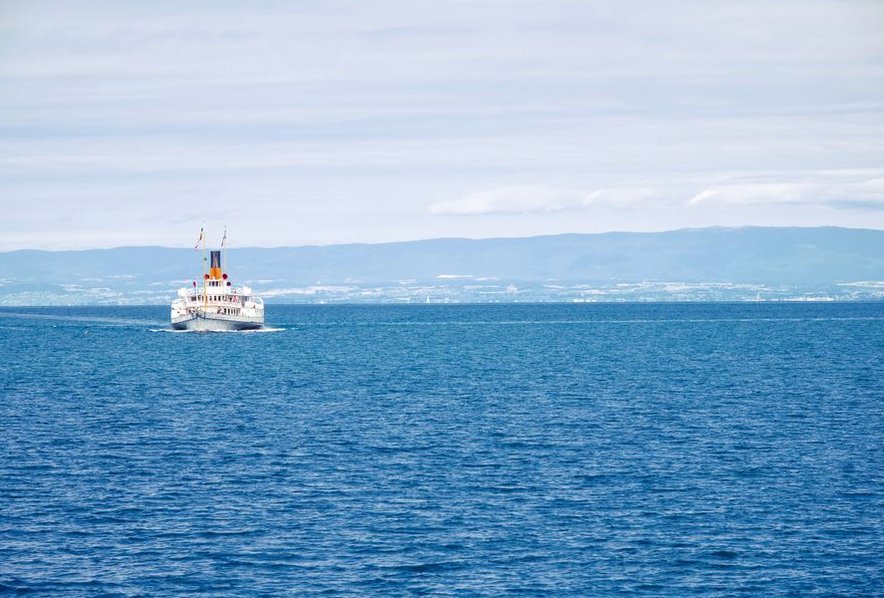
The story of the steamship for kids follows a seven-day sea journey that begins in calm weather, loses its route in a dangerous fog, and finally returns safely when the crew resumes its proper duties. Children can follow the voyage as a clear lesson in travel logistics: every person has a task, every route needs supervision, and a delayed arrival affects the people waiting at home.
Where the steamship starts
The ship leaves its home area and travels across the open sea on a planned seven-day cruise. Each passenger has a cabin, while the deck offers space for fresh air, music, dancing, and views of the water. At first, everything seems orderly. The captain directs the ship, and the assistants carry out his commands.
Life on board depends on several different jobs. The chef prepares meals, the doctor cares for sick passengers, and singers, musicians, and dancers provide entertainment. Their responsibilities keep the voyage organized. Passengers can eat, rest, receive medical help, and enjoy the trip because each worker understands what to do.
The calm beginning gives children a simple way to see how a journey works. The vessel has a destination, a schedule, people responsible for navigation, and passengers who depend on the crew.
When all these parts work together, the cruise proceeds without confusion.
How the route becomes unsafe
The trouble begins when the steamship enters a thick fog. Visibility disappears, the sea becomes turbulent, and the ship stops. The fog forms a natural barrier between the vessel and its planned destination. No one can see the route ahead clearly or tell when the ship will arrive.
For a child, this part shows why a captain and a trained crew matter. A ship cannot continue safely when the person at the helm loses control or when the assistants neglect their assigned work. The passengers remain in their cabins because the weather and the strange conditions make the deck frightening.
The delay changes the meaning of the original plan. A seven-day journey no longer has a dependable arrival time. Until the crew understands what is happening, the passengers have no clear information about when they will reach home.
What happens when duties are mixed up
Inside the enchanted zone, every worker suddenly takes the wrong job. The chef tries to treat patients, the doctor prepares meals, the captain’s assistants dance, and the singer takes the helm. The passengers quickly see the results of this confusion.
Meals disappear, and small pills appear on the plates instead. One patient has a fruit allergy and receives confused treatment from someone who does not know how to provide medical care. On the stage, the former assistants make clumsy movements instead of performing as trained artists.
Navigation becomes even more dangerous. The steamship spins in one place because the singer is steering it without the captain’s proper control. The planned seven-day journey reaches its eighth day, yet the passengers still do not know when they will get home. The vessel has stopped making progress, and the people waiting at the destination have no reliable arrival time.
The rescue ship and the route connection
A large white ship eventually appears in the distance and sends loud signals. Its crew realizes that the steamship should already have returned home. They ask what happened and prepare to help.
The conversation between the two captains gives children a practical picture of communication during transit. When one vessel is delayed, another can identify the problem, establish contact, and offer assistance. The second crew needs clear information before it can understand why the first ship has stopped.
The weather then changes quickly. Thunder and rain arrive, but the sun returns about a minute later. The fog clears, the seagulls become quiet, and every worker returns to the proper position.
With the crew working correctly again, the steamship starts moving toward home.
What receiving the ship means at home
The story does not describe a commercial cargo delivery or name a harbor. The destination is simply home, where the passengers are expected after the cruise. This keeps the lesson easy to follow: receiving a vessel means confirming that the travelers have arrived safely after the route is complete.
During a children’s reading activity, an adult can ask what the destination team would need to check. The ship must be moving again, the captain must control the helm, and the crew must perform its assigned work.
A passenger should also know where to return after leaving the cabin and how the journey has changed from seven days to eight.
You can read the story of the steamship for kids together and pause at each stage: departure, calm sea, fog, delay, rescue signal, and the return toward home. This sequence helps children follow the plot while tracking the ship’s movement.
What children can learn from the voyage
The steamship reaches trouble because the workers abandon their responsibilities. The chef cannot replace the doctor, the doctor cannot replace the chef, and an entertainer cannot safely steer a large vessel. Every role answers a specific need on board. Changing one duty affects food, health, entertainment, navigation, and arrival time.
When the crew becomes attentive and responsible again, the route can continue. Children can draw the journey with six stops: the starting point, the calm sea, the fog, the stopped ship, the white rescue ship, and home.
Then ask which point the captain should check first before the steamship sets off again.
Write a comment