Fauci in the Congressional Wringer: A Test for Trump's Newly-Minted Attorney General
The contempt of Congress vote against Anthony Fauci now tests new Attorney General Todd Blanche as Democrats warn of weaponized prosecution.
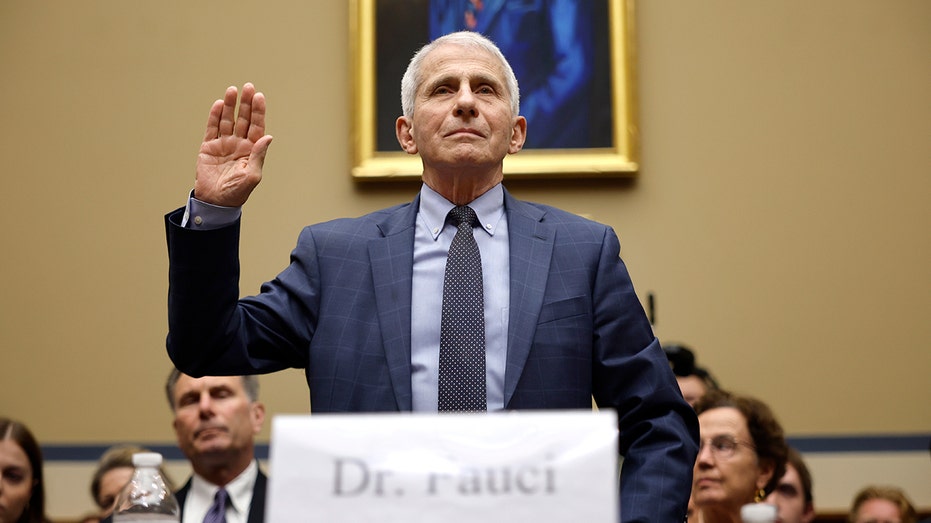
Dr. Anthony Fauci was voted in contempt of Congress by the Senate Homeland Security Committee for refusing to answer questions during a hearing, invoking the Fifth Amendment 111 times. Republicans, led by Rand Paul, are referring the matter to the Justice Department, while Democrats argue this is a politically motivated ‘ruse’ that could undermine legitimate oversight and constitutional rights. The decision to prosecute now rests with the new Attorney General, Todd Blanche, who faces a difficult test.
- Contempt of Congress typically occurs when an individual refuses to testify or provide documents requested by lawmakers, especially when a subpoena is involved.
- The Senate Homeland Security and Governmental Affairs Committee voted 8-5 to hold Dr. Anthony Fauci in contempt for invoking the Fifth Amendment 111 times during a hearing.
- Republicans argue Fauci should have testified fully, citing his pardon, while Democrats accuse them of seeking to ‘weaponize’ the Justice Department.
- Committee Chairman Rand Paul intends to refer the matter to the Attorney General and the district court, bypassing the traditional full Senate vote.
- Democrats warn that this action by Paul sets a dangerous precedent, weakens Congress’s oversight abilities, and could be unconstitutional.
- The case presents a significant test for new Attorney General Todd Blanche, with Republicans potentially seeking prosecution and Democrats fearing ‘lawfare’.
- Another Senate panel has obtained a phone used by Fauci during the pandemic, which investigators believe may hold answers to questions he refused to address.
Write a comment