Secret Pentagon UFO hunt drew blueprints for hidden Nevada bunker to store ‘exotic’ materials
Declassified Pentagon records reveal Bigelow Aerospace planned a secret underground vault in Nevada to store recovered UAP hardware and samples.
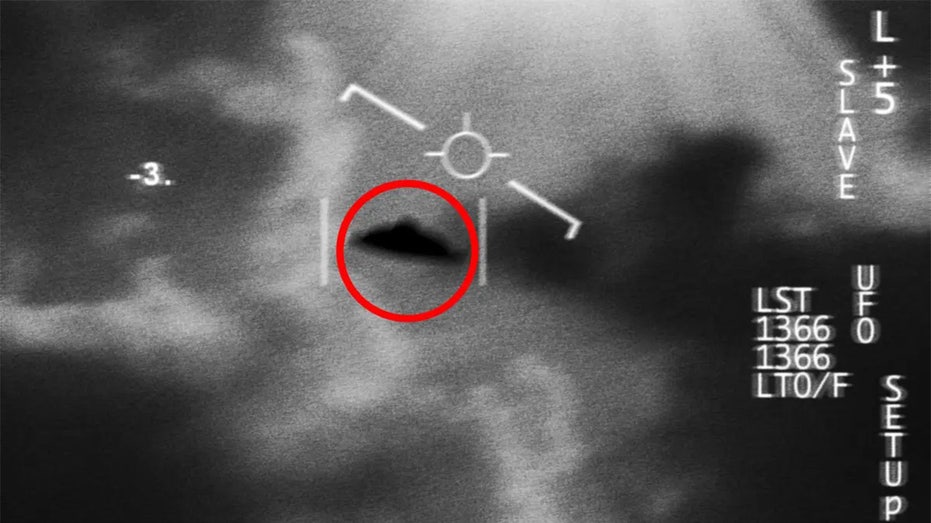
A Pentagon contractor, Bigelow Aerospace Advanced Space Studies (BAASS), planned to build a 5,000-square-foot subterranean fortress in Nevada to store ‘exotic material or tissue’ linked to UAP. These plans emerged from a declassified 538-page contractor report detailing a $22 million Pentagon program initiated by Senators Harry Reid and Daniel Inouye. Despite the contractor’s security proposals and Senator Reid’s requests for extreme secrecy, the Defense Intelligence Agency (DIA) deemed the research and reports of limited value and did not classify them due to a lack of sufficiently sensitive information.
- Pentagon contractor BAASS planned a 5,000-square-foot underground bunker in Nevada to store ‘exotic material or tissue’ related to UAP.
- The project was part of the Advanced Aerospace Weapon System Applications Program (AAWSAAP), also known as the Advanced Aerospace Threat Identification Program (AATIP).
- The program was launched in 2008 with $10 million from a congressional earmark steered by Senators Harry Reid and Daniel Inouye.
- BAASS was founded by Robert Bigelow, a supporter of Senator Reid.
- Senator Reid urged the Pentagon to classify the program under a Restricted Special Access Program due to ‘highly sensitive, unconventional aerospace-related findings.’
- The DIA rejected the secrecy request, stating that the contractor had not established a secure facility and program employees were being vetted.
- DIA leadership found the contractor’s reports and research on topics like warp drives and antigravity to be of ‘limited value.’
- The DIA did not continue the contract beyond its second year, despite additional funding in fiscal year 2010.
- The latest UAP release also included three declassified infrared and electro-optical sensor videos recorded by U.S. military platforms.
Write a comment