AI bionic eye breakthrough could help restore sight
An AI bionic eye trained on a blind man's brain responses helped UC Santa Barbara researchers produce more predictable phosphenes with less current.
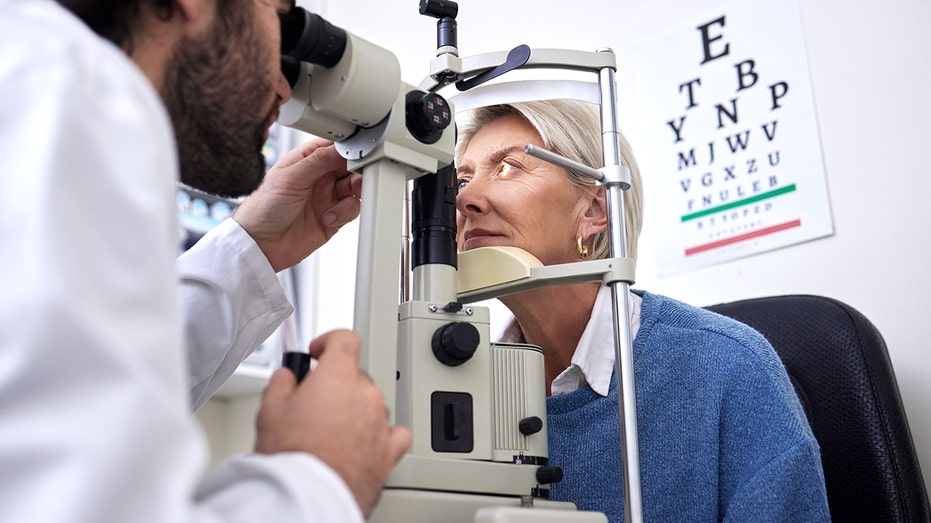
Researchers have used artificial intelligence to gain more control over brain activity related to artificial vision. By training an AI model on how a blind man’s brain responded to electrical stimulation in his visual cortex, scientists achieved more predictable flashes of light with less electrical current. This breakthrough could lead to more reliable artificial vision systems, though functional vision for tasks like reading is still a distant goal.
- Scientists are developing an AI bionic eye approach that learns an individual’s brain response to electrical stimulation.
- Research involving a 27-year-old blind man in Spain used an implant with 96 electrodes in his visual cortex.
- An AI deep learning model was trained to analyze the man’s brain activity in response to different electrical stimulation patterns.
- This AI approach led to greater accuracy in producing intended brain activity patterns with less electrical current.
- The AI-designed patterns resulted in more predictable brain responses, suggesting a path toward more reliable artificial vision.
- While promising, the technology is experimental and currently only produces flashes and shapes of light, not functional vision for tasks like reading or recognizing faces.
- Further research is needed to demonstrate safety, consistency, and the ability to translate these responses into useful vision for everyday activities.
Write a comment