Russia's quieter nuclear submarines threaten NATO, former commander warns
Russia's Yasen-M submarines and militarized Kola Peninsula are forcing NATO to confront a growing undersea threat across the GIUK Gap and Arctic, expert warns.
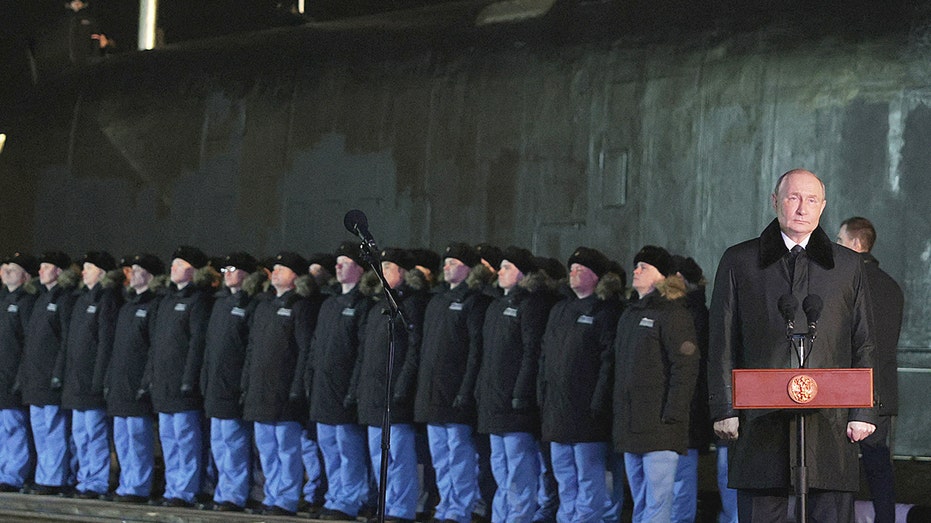
Russia’s deployment of quieter, new-generation nuclear-powered submarines, particularly the Yasen-M class, is presenting a significant undersea surveillance challenge for NATO. These submarines, along with Russia’s militarized Kola Peninsula and expanded Arctic infrastructure, are strengthening Moscow’s position along the Northern Sea Route and the GIUK Gap. The alliance is adapting its measures to counter this emerging threat, acknowledging the difficulty in finding and tracking stealthy submarines capable of striking NATO nations.
- Russia’s new-generation nuclear-powered submarines are a growing threat to NATO’s northern defenses.
- The Kola Peninsula is a key hub for Russia’s Northern Fleet, with expanded military infrastructure.
- The GIUK Gap is a critical gateway for Russian naval forces moving into the Atlantic.
- Yasen-M-class submarines feature advanced acoustic-quieting and sonar technology, making them difficult to track.
- These submarines can carry long-range cruise missiles and hypersonic anti-ship missiles.
- NATO is strengthening its northern posture with initiatives like Arctic Sentry and Forward Land Forces Finland.
- Russia views the receding Arctic ice and the Northern Passage as an economic opportunity, seeking control over these waters.
- Russia warns that increased Western military activity in the Arctic risks destabilizing the region and poses a direct threat to its security.
Write a comment