How a midterm tie gets settled in the case of the Senate
A tied Senate could leave control of the chamber uncertain after the 2026 midterm elections. Past 50-50 splits in 2000 and 2020 offer clues about how lawmakers could negotiate power sharing agreements in 2027.
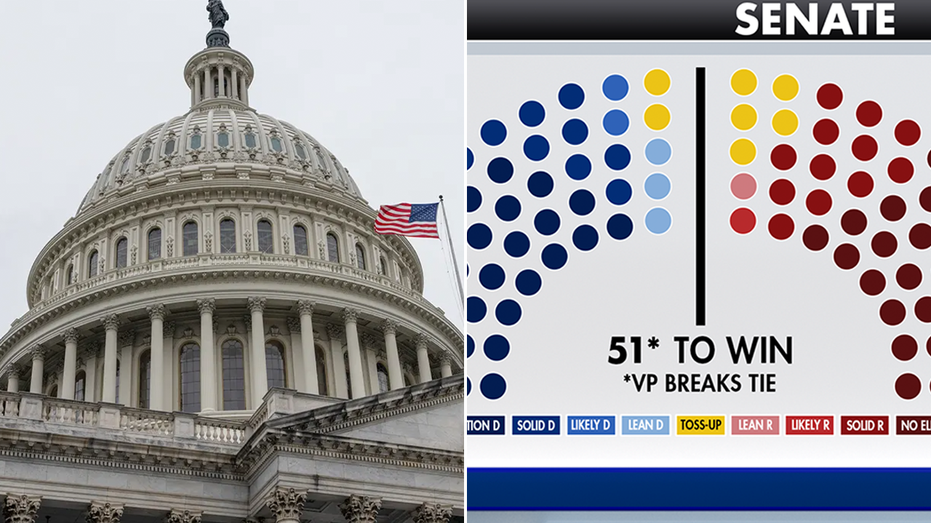
Unlike sports with clear tie-breaking mechanisms, a 50-50 split in the U.S. Senate lacks a formal constitutional solution, leading to reliance on past precedents and political negotiations. Historically, such deadlocks, like those in 2000 and 2020, have been resolved through power-sharing agreements between parties. The effectiveness of future tie-breaking will depend on the political will of senators to establish such compacts.
- The U.S. Senate lacks a formal constitutional tie-breaking procedure for a 50-50 deadlock.
- Vice presidents can break ties, but a 50-50 split means the VP’s party would still be technically in the minority by rule, as tie votes go down to defeat.
- Past Senate ties in 2000 and 2020 were resolved through power-sharing agreements negotiated by party leaders.
- The 2000 tie involved a bipartisan pact allowing Republicans to technically hold the majority while granting Democrats special floor powers.
- The 2020 tie was settled on January 6, 2021, with Sens. Ossoff and Warnock winning runoffs, leading to a 50-50 split.
- Future tie-breaking in the Senate, particularly in 2027, will hinge on the political will of senators to agree to similar power-sharing compacts.
- The role of the President Pro Tempore and the Vice President in presiding over the Senate can be affected by the presence or absence of a power-sharing agreement in a deadlocked Senate.
Write a comment