Who pays for US power boom? Blue, red states offer starkly different ways to lower utility bills amid AI surge
New Jersey is requiring big data centers to shoulder more of their own power costs, while an Indiana utility says revenue from major new customers could cut household bills by about $100 a year.
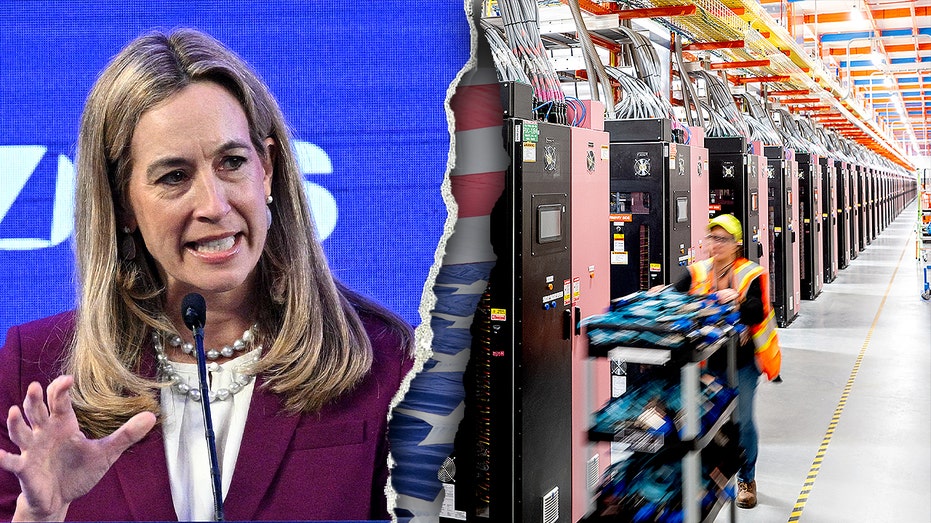
New Jersey has enacted legislation requiring a separate rate structure for large data centers, ensuring their infrastructure costs do not burden other utility customers. Indiana, conversely, approved a deal where a utility claims revenue from new data center clients will allow for rate reductions for existing customers. An energy advocacy group suggests that while Indiana’s approach is better, neither state fully mandates that data centers generate their own power to add capacity to the grid.
- New Jersey’s new law mandates a separate rate structure for large data centers to prevent their grid upgrade costs from being passed to other customers.
- Data centers in New Jersey must commit to paying for at least 85% of their requested electricity capacity for 10 years.
- Indiana regulators approved a deal allowing a utility to recover costs from new data centers, with the utility proposing rate cuts for existing customers.
- The Indiana utility claims this agreement could lead to an annual saving of about $100 per household.
- An advocacy group argues that data centers should be built with dedicated power generation facilities to serve the grid, not just their own needs.
- The White House has a Ratepayer Protection Pledge with tech companies to cover electricity costs for AI data centers.
Write a comment