How Every Transport Route Connects Azizi Abraham Downtown Jebel Ali
- Road Access Along Sheikh Zayed Road
- Metro and Public Transit Realities
- Moving Furniture and Fitout Cargo Into a New Unit
- Hypothetical Scenario: Monthly Transport Budget for a One-Bedroom Buyer
- Weekend and Leisure Transport
- What the ROI Projection Implies About Location Value
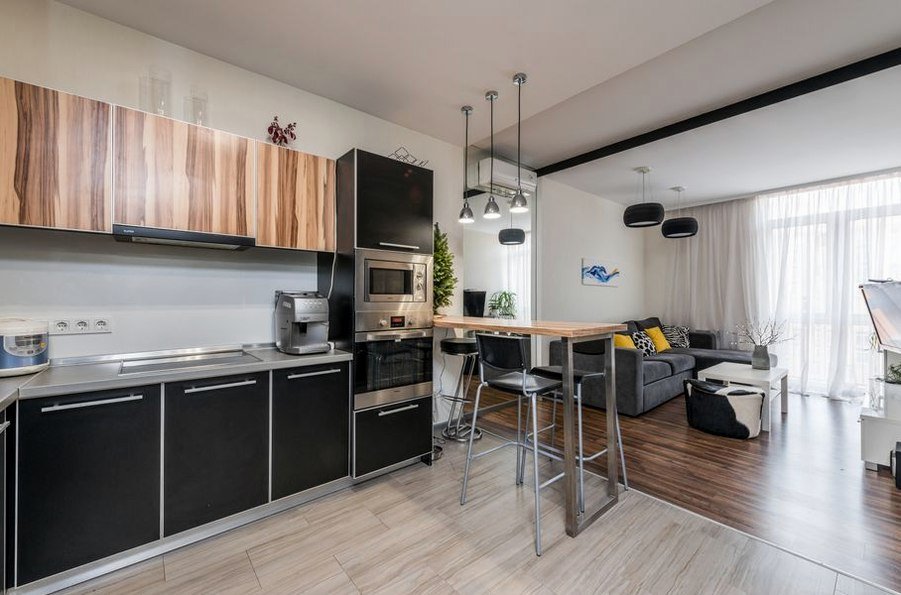
Buying off-plan in Jebel Ali means that commuting, weekend trips, and furniture deliveries all depend on how easily the location connects to Dubai’s transport network. The 426-unit Azizi Abraham tower sits on Sheikh Zayed Road, giving residents access to three main transport options. Each option has different cost and time implications, depending on where you work, how often you travel, and what you need to transport.
Road Access Along Sheikh Zayed Road
Azizi Abraham sits directly along Sheikh Zayed Road, the main route linking Jebel Ali with central Dubai and the northern districts. A private-car trip to Dubai Marina takes roughly 15 minutes outside rush hour and 25-35 minutes during the 7:30-9:00 a.m. peak. Driving to Downtown Dubai or DIFC generally takes 25-30 minutes off-peak, increasing to 40-50 minutes when traffic is heavy.
These journey times challenge the long-held perception that Jebel Ali is too remote for regular commuters. The highway places the development within practical reach of several major employment and leisure districts, including areas that are comparable in distance to the CBD but located farther inland.
Ride-hailing is another option. A trip from Jebel Ali to Dubai Marina averages AED 25-35, while a ride to DIFC typically costs AED 45-60. Over a 22-workday month, a daily round trip to DIFC comes to roughly AED 2,000-2,600. Buyers planning their monthly budget before the Q4 2027 handover can compare that figure with parking expenses and car payments.
Metro and Public Transit Realities
The Dubai Metro Red Line serves stations in the Jebel Ali zone. It runs south to UAE Exchange and north through Ibn Battuta, Dubai Marina, JLT, Burjuman, and other central areas. A one-way Nol card fare from Jebel Ali stations to central Dubai typically falls between AED 5-8, depending on the zones crossed. Daily round trips bring the monthly metro cost to around AED 220-350.
Time is the main compromise. A metro journey from the Jebel Ali corridor to DIFC takes 40-55 minutes, including the walk to the station and any transfers. For Azizi Abraham Downtown Jebel Ali residents, reaching the nearest station by foot or feeder bus adds 5-10 minutes each way.
The difference in speed and price makes a mixed travel routine practical for many residents. The metro suits regular commuting, while a car works better for evening plans, shopping, and trips involving several stops or heavy items.
Moving Furniture and Fitout Cargo Into a New Unit
Transport requirements change once a new apartment is ready for occupation. Azizi Abraham units range from 318 sq. ft. studios to 4,021 sq. ft. duplexes. Furnishing them may involve deliveries from furniture shops, appliance suppliers, and international movers relocating belongings from abroad.
For domestic deliveries within Dubai, furniture retailers generally quote AED 150-400 per large-item drop, depending on the number of pieces and the floor. The 21-storey tower has dedicated parking, which can make loading and unloading easier than in villa communities. After handover, residents should confirm elevator booking rules with building management.
International relocations by sea freight from Europe or South Asia typically take 20-35 days to reach Jebel Ali Port. The port sits just minutes from the development, shortening the final delivery leg. Last-mile trucking from the port to the building should be more straightforward and less expensive than deliveries routed to communities in northern Dubai.
Hypothetical Scenario: Monthly Transport Budget for a One-Bedroom Buyer
Consider a buyer who purchases a one-bedroom apartment in Azizi Abraham at a starting price near AED 505,000. She plans to move in after the Q4 2027 handover and works in JLT, roughly 12 km north along Sheikh Zayed Road.
If she drives a compact sedan, fuel for the commute costs approximately AED 250-350 per month. Fuel in the UAE is relatively inexpensive, and the distance is short. Salik toll charges add AED 8 per round trip across two gates. Over 22 workdays, tolls alone total AED 176 per month. Parking at a JLT office tower typically costs AED 500-800 monthly, bringing the total car commute budget to AED 926-1,326.
The metro costs AED 6 each way. For 22 workdays, that totals AED 264 per month. The journey takes about 20 minutes longer each way, so she trades roughly 15 hours a month for savings of more than AED 660. At a personal time value of AED 44 per hour or more, driving wins on the stated cost calculation. Below that threshold, the metro offers the stronger financial case.
A hybrid routine produces a middle ground. Driving three days a week and taking the metro two days brings the monthly total to roughly AED 650. This arrangement preserves faster travel on busier days while keeping regular transport costs moderate.
Weekend and Leisure Transport
Motiongate Dubai, Jumeirah Golf Estates, and the public beaches along the southern coast are generally within a 10-20 minute drive. Ibn Battuta Mall, the closest major retail destination, is less than 10 minutes away. Reaching older Dubai attractions such as Al Fahidi or Dubai Creek takes about 30-40 minutes by car or approximately an hour by metro.
Families living in the larger duplexes can reach Winchester School Dubai and Jebel Ali School within a 10-15 minute drive. Supermarket trips to Carrefour or Spinneys in nearby malls rarely take more than five minutes in transit. These short local journeys help keep weekly fuel and ride-hailing costs manageable for households that use cars for school runs and grocery shopping.
What the ROI Projection Implies About Location Value
Azizi Developments projects a 9-10% average ROI for the building, with potential yields reaching 11-12%. Transport access supports that rental proposition because tenants compare commuting costs when choosing between apartments. A unit with a 15-minute highway commute to Dubai Marina or convenient access to a metro corridor may attract stronger occupancy than a similarly priced home in a poorly connected area.
Investors building a yield model should calculate transport costs alongside rent, service charges, and other ownership expenses. Before committing, map the building’s GPS coordinates against your workplace, your children’s school, and your regular weekend destinations. Then compare fuel, tolls, and parking with the metro alternative for each route. The resulting figures will show whether the 50/50 payment plan spread across construction fits your projected living costs after the keys are handed over.
- Reference: https://jebel-ali-dubai.ae/azizi-abraham/
Write a comment