Delivery about the breeze that didn't want to sleep
- How the story reaches its destination
- The first route uses a fox’s song
- The wolf adds a longer transmission
- The bear turns the clearing into a wider network
- Why night completes the route
How the story reaches its destination
about the breeze that didn’t want to sleep is a bedtime tale about a forest community trying to calm a restless breeze. Its route is regional rather than commercial: sound travels from the clearing through the trees, across the lakes, and into the sleeping places of the animals. The final destination is the quiet forest at night.
The story begins with a clear delivery problem. Rustling leaves, falling pinecones, and whistling branches disturb rabbits, squirrels, owls, mice, bears, and hedgehogs. The forest has many separate listening points, so one attempt must reach several groups at once.
The central clearing works like a transit hub. The animals gather there, exchange ideas, and send different forms of sound along the same route. Each performance starts in the clearing, passes through the surrounding woodland, and reaches the restless breeze before returning through the forest as an echo or reaction.
The first route uses a fox’s song
The Owl proposes a lullaby, and the Fox takes responsibility for the first delivery. He knows the words to «Sleep my joy, fall asleep», and his voice should suit a quiet evening. Instead, the breeze grows stronger as soon as he begins singing.
This failed route shows why the content matters as much as the carrier. A lullaby normally signals rest, but the breeze reacts to the Fox’s voice with louder movement. The animals receive the sound, yet the intended result does not arrive at the destination.
The Fox’s song also establishes a practical limit. A single performer cannot control the entire forest when the recipient is unpredictable. The sound reaches the clearing and nearby trees, but the breeze changes direction and intensity rather than settling down.
The wolf adds a longer transmission
The Wolf joins the Fox and sends a mournful howl across the forest. His experience with ten wolf cubs makes him a credible choice for a bedtime performance, and his howl lasts for several minutes.
This route carries farther than an ordinary speaking voice. The animals begin to yawn, which shows that the sound reaches at least some listeners. The breeze, however, keeps strengthening, so the local response does not translate into a successful result for the whole forest.
The contrast matters for readers. A sound may affect passengers at one point on a route while failing to change conditions farther away. In the tale, the Wolf improves the reach of the delivery, but he does not control the weather or the final recipient.
The bear turns the clearing into a wider network
The Bear brings a flute and changes the route from vocal performance to instrumental music. His melody travels with the songbirds, stream sounds, and ripples moving across the magical lakes.
Here the forest becomes a connected network. The clearing remains the dispatch point, while birds, water, trees, and open air carry the melody toward different areas. The breeze pauses during the most beautiful passages, suggesting that this route comes closest to the desired result.
It still fails as a permanent delivery. When the music stops, the breeze resumes its mischief. The story separates temporary reception from final arrival: the sound reaches its audience, but calm does not remain after the performance ends.
Why night completes the route
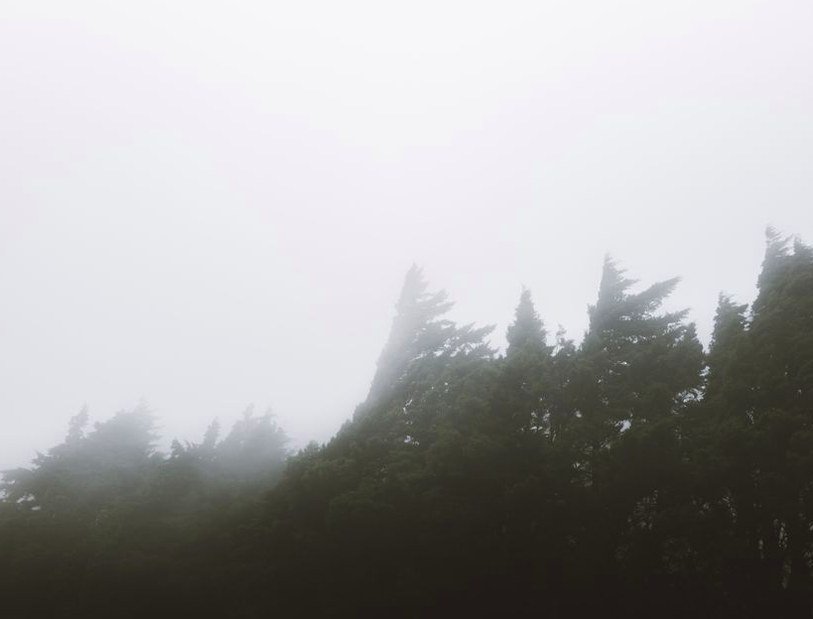
Natural conditions finish what the animals cannot. The sun disappears, the Moon takes its place, clouds cover the sky, and cool fog settles over the forest. The breeze gradually weakens as the environment becomes quieter and cooler.
The animals then fall asleep in stages. The bears, hedgehogs, and mice settle first, followed by rabbits, squirrels, owls, the Fox, and the Wolf. The story gives the destination a precise shape: silence spreads through the forest until the breeze becomes a soft whistle rather than a disruptive force.
No cargo, depot, road, or delivery timetable appears in this tale. Its logistics are acoustic and atmospheric. The clearing gathers the participants, the surrounding landscape carries each attempt, and night conditions complete the final transfer of calm. For a reading session, begin with the Fox’s song, continue through the Wolf and Bear, and end after the fog arrives so the story reaches its quiet destination.
Write a comment