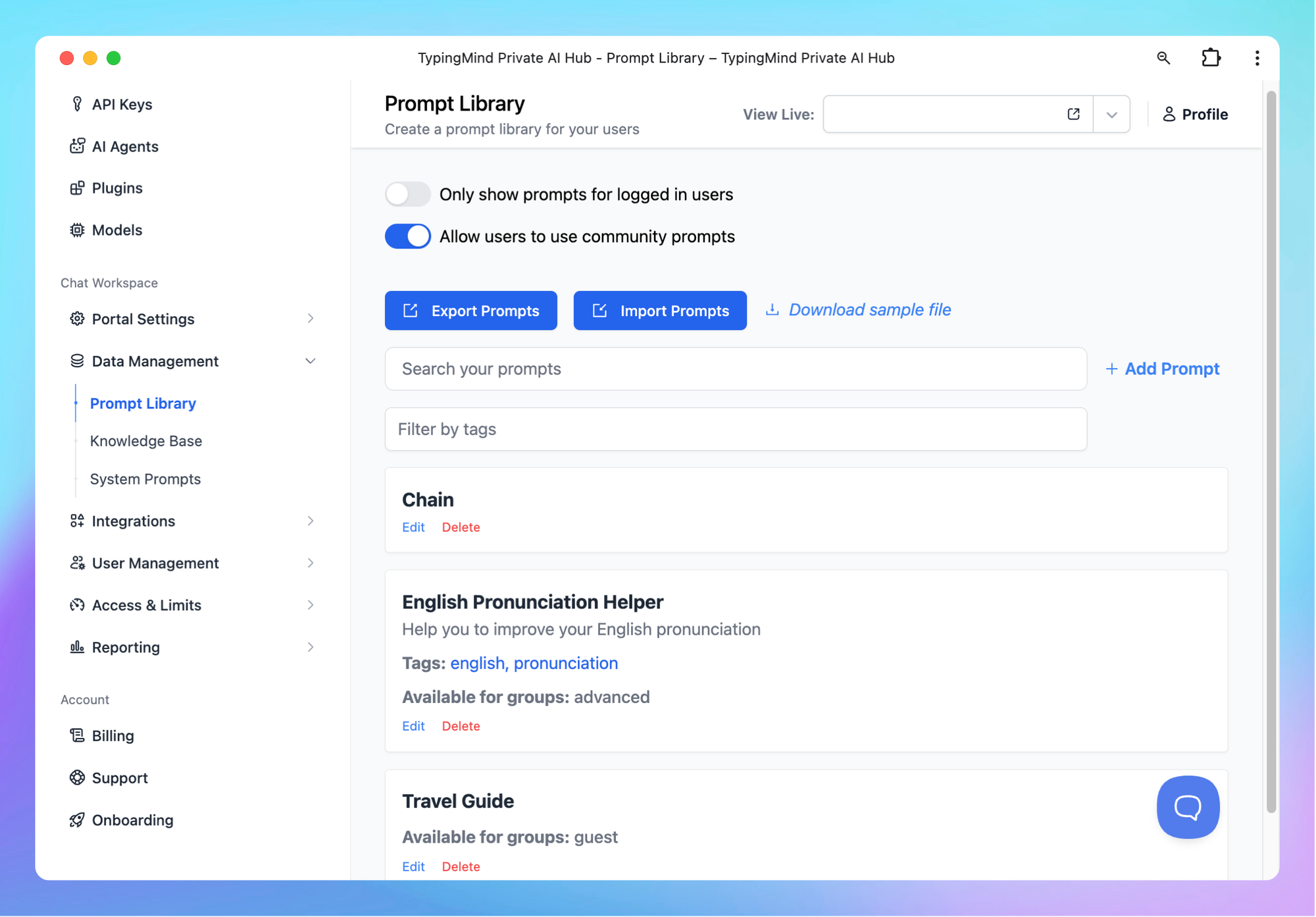
The Quiet Stack Powering Real AI Automation in 2026: n8n, Dify, and Ollama
How n8n, Dify, and Ollama became the go-to open-source stack for teams building private, production-grade AI automation in 2026 — and why it works.
HUMAI is your guide to the intersection of artificial intelligence, digital tools, and the future of human creativity. Explore curated insights, experiments, and high-impact resources for creators, strategists, and builders.
How n8n, Dify, and Ollama became the go-to open-source stack for teams building private, production-grade AI automation in 2026 — and why it works.
Trump just named his AI dream team — Zuckerberg, Huang, Ellison, and Brin are in. Musk and Altman got left at the door. Here's why the missing names matter more than the ones on the list.

Figure 03 walked the White House halls with Melania Trump at an education summit. The robot didn't stumble. The policy did.

Meta laid off 700 employees across five divisions on Tuesday. One day earlier, it filed a stock option plan worth up to $921 million per executive. The company calls it retention. I call it math that doesn't add up.

China's NDRC has imposed an exit ban on Manus AI co-founders Xiao Hong and Ji Yichao as regulators review Meta's proposed $2B acquisition. The move marks a dramatic escalation in the US-China AI tech war.

OpenAI published a detailed Sora safety framework on March 23, then shut the app down on March 24. The gap between the two reveals how Sora actually ended and what it means for AI consumer products.
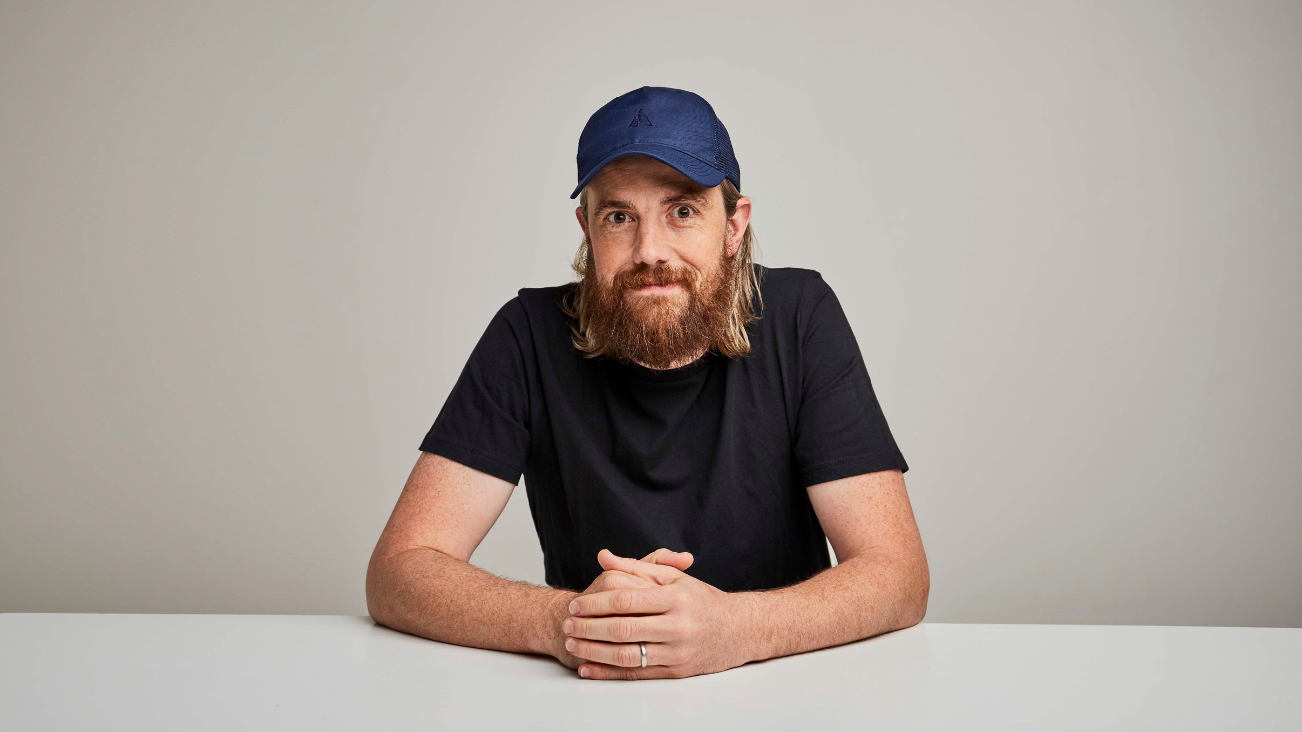
Atlassian split one CTO role into two AI-specialized positions while cutting 1,600 jobs. The move raises a real question: is the traditional CTO role too broad for the AI era?
Anthropic refused to let the Pentagon use Claude for autonomous weapons and mass surveillance.
This isn't another hype piece about AI changing the world. It's a reality check. And it might make you uncomfortable.
OpenAI rushed into a $200M Pentagon contract hours after Anthropic was blacklisted, then spent a week backpedaling. Here's the full story of one of AI's most chaotic weeks.
A USC-led team using IBM's quantum processors demonstrated the first unconditional exponential speedup over classical computing. Here's what actually happened, what it means, and what comes next.

Jensen Huang announced $1 trillion in chip orders at GTC 2026. Four days later, Elon Musk unveiled Terafab. Here is what each move actually means for AI infrastructure, and who is most likely to win.
AI is shifting psychiatry from waiting rooms and crisis response toward continuous monitoring and early intervention. Here is what the research shows, where the technology stands, and what still has to be solved.

AI wearables that track stress, mood, and emotional states are moving from clinical labs into everyday life. The science is promising, the privacy risks are real, and the regulatory divide between the US and EU is widening fast.

Vertical AI is quietly producing billion-dollar companies in legal, healthcare, and finance. Here's who is winning, how the economics work, and what the App Store analogy actually gets right.

Creators are abandoning standalone courses for AI-powered paid communities that generate recurring revenue. Here's what the shift looks like and how the economics work.

Surfer SEO combined with AI content tools is the current standard workflow for building profitable niche websites. Here's the honest blueprint, including what works, what doesn't, and what the data actually shows.
YouTube has built one of the most aggressive AI content enforcement systems in the industry. Here's how it works, what it targets, and what creators and viewers need to understand right now.

Selling Midjourney art on Etsy is legal for paid subscribers, but requires disclosure, the right listing category, and a business model built around more than raw AI outputs.

AI prompt libraries are one of the fastest-growing digital product categories, but the market is stratifying fast. Here's what actually sells, what earns nothing, and how the model is evolving.