HUMAI is your guide to the intersection of artificial intelligence, digital tools, and the future of human creativity. Explore curated insights, experiments, and high-impact resources for creators, strategists, and builders.
Follower counts have decoupled from revenue. Here's what the data actually shows about who earns in the creator economy of 2026, and why audience size is no longer the variable that matters.
Creators are turning domain expertise into AI agents that generate recurring revenue, no coding required. Here's how the model works, where to sell, and what actually earns money.
AI gadgets often hide their real cost behind monthly subscription fees. Here's how the subscription trap works, which devices fall into it, and how to buy smarter.
The Pebble Index 01 is a $99 AI smart ring that captures voice notes with a button press, uses on-device AI, and lasts two years without charging. Here's how it works and who it's for.
From dumb phones to e-ink tablets, the best gadgets of 2026 are defined by restraint. Here's why doing less is the most powerful design statement tech has made in years.
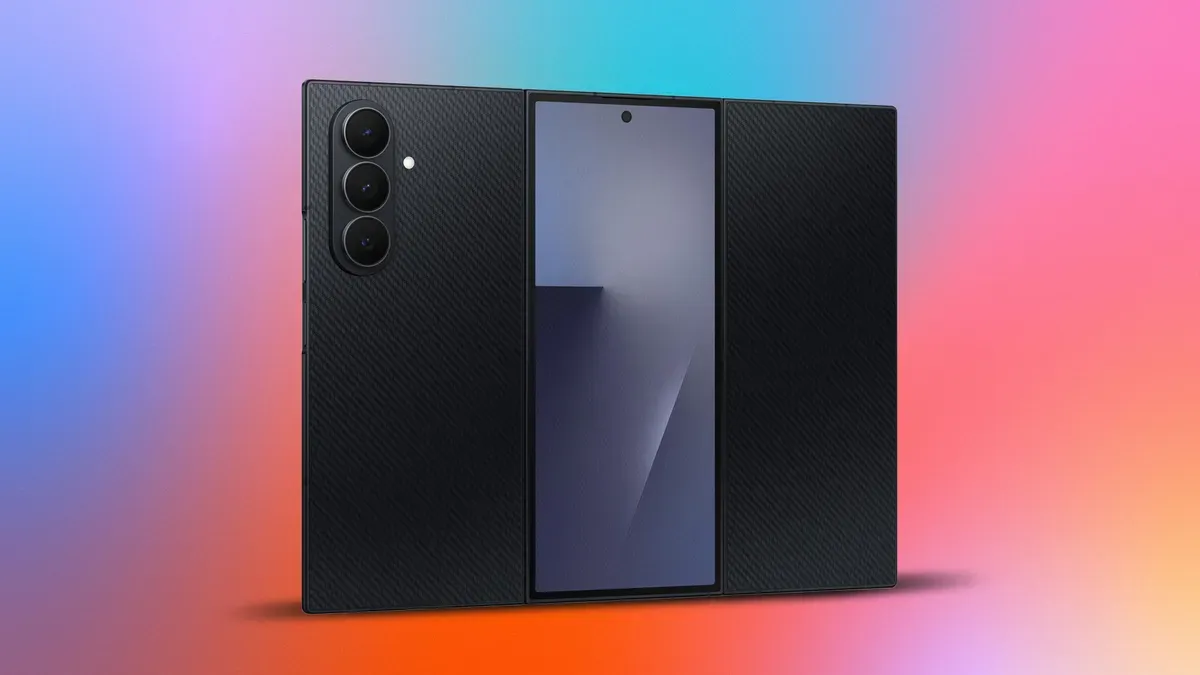
Samsung's Galaxy Z TriFold is the most ambitious foldable phone ever made: a pocketable smartphone that unfolds into a 10-inch tablet for $2,899. Here's what it does, what it costs, and what buyers need to understand about durability.
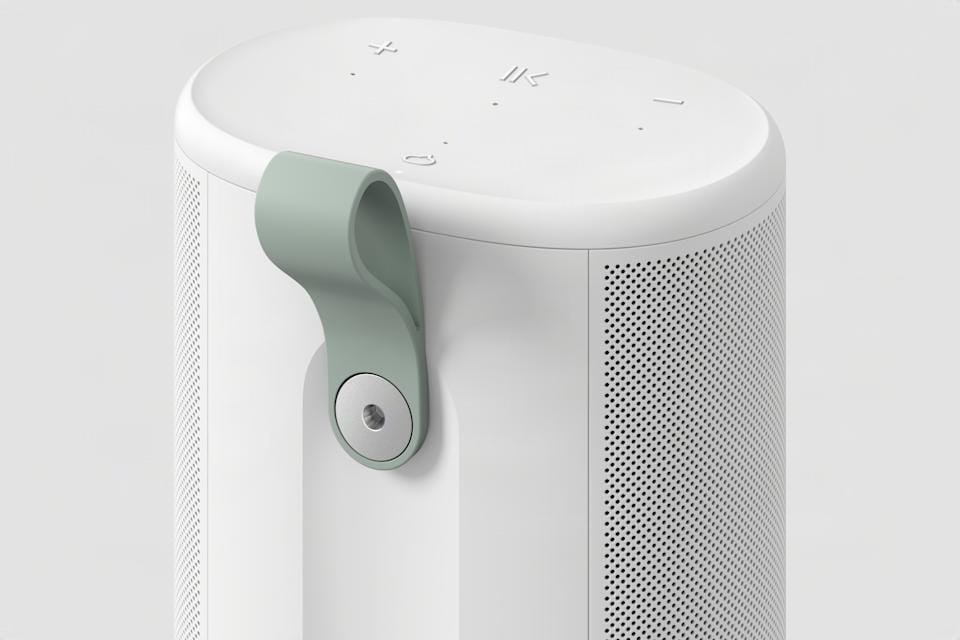
The best tech releases of March 2026 include Apple's $599 MacBook Neo, the iPhone 17e, iPad Air M4, MacBook Air M5, and the new Sonos Play. Here's why each one is worth your money.
AI is reshaping home cooking through smart ovens, fridge cameras, voice-guided recipes, and meal planning assistants. Here's what's real, what's useful, and what to consider before buying.
OpenAI hit $25B in annualized revenue in February 2026, burns $25B a year, and is preparing for a $1 trillion IPO. Here's what the financial reality looks like and what it means for users, developers, and the industry.
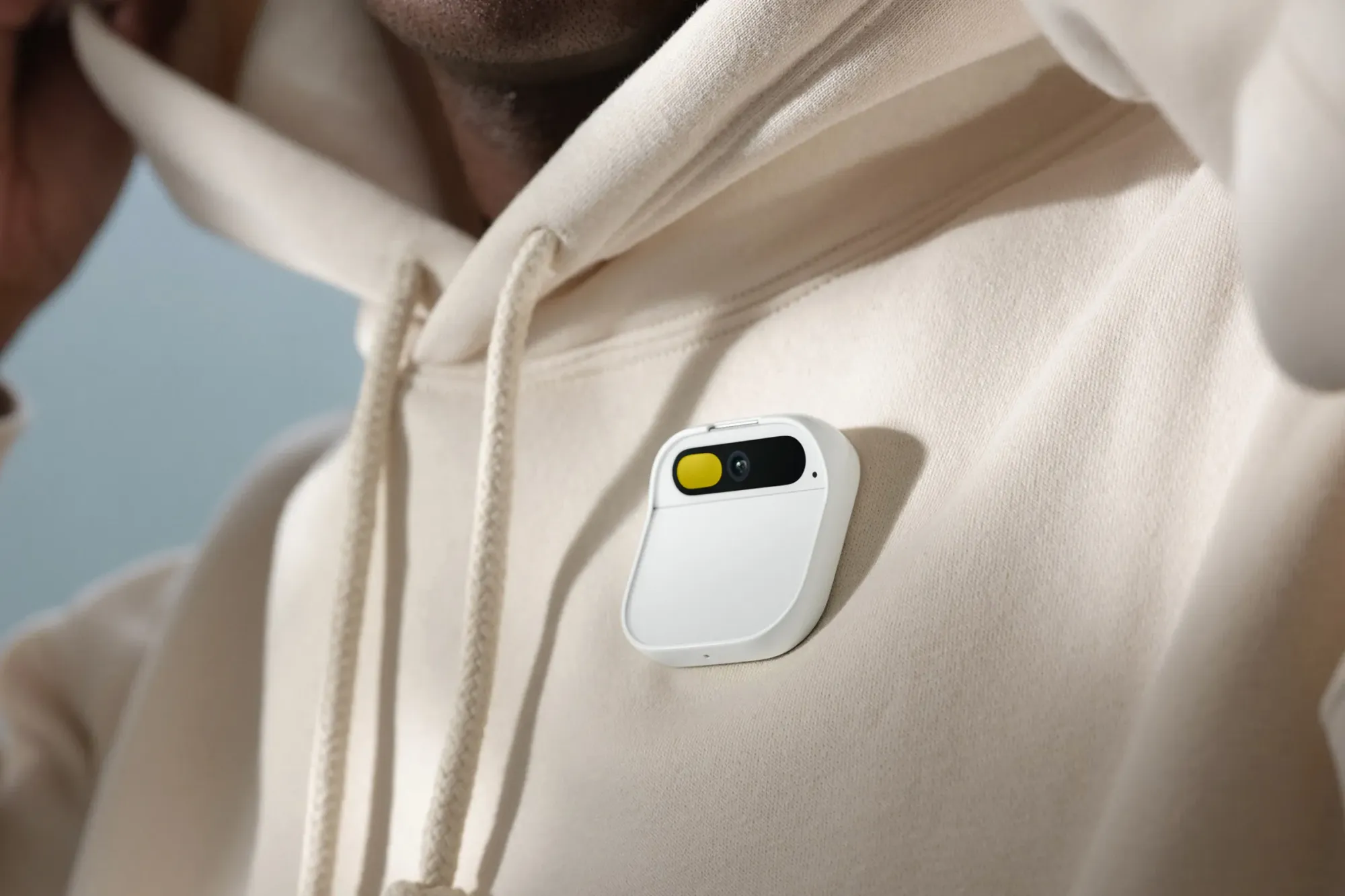
Smart glasses, AI pins, ambient wearables, and OpenAI's Jony Ive device are converging on a post-screen computing era. Here's who's winning, who's failed, and what comes next.
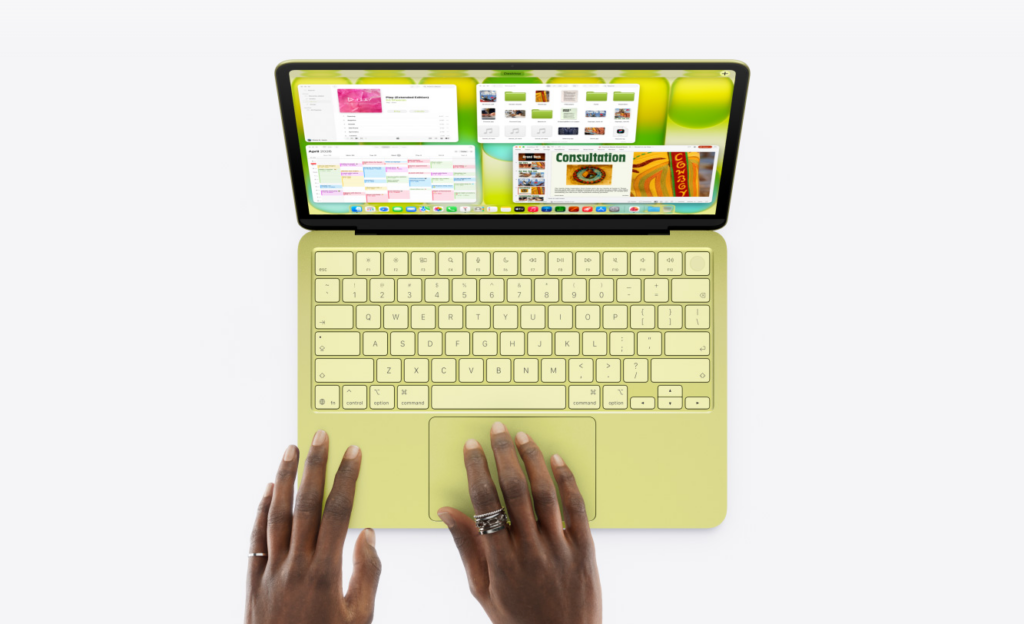
Apple's MacBook Neo starts at $599 with an A18 Pro chip, Liquid Retina display, and 16-hour battery. Here's what it does well, where it compromises, and who it's really for.
Yann LeCun's AMI Labs raised $1.03B at a $3.5B valuation to build "world models" as an alternative to LLMs. Here's what that means — and why it matters.
France is leveraging 90 TWh of nuclear electricity exports and a €72.8B reactor program to become Europe's AI infrastructure hub. Here's what the timeline actually looks like.
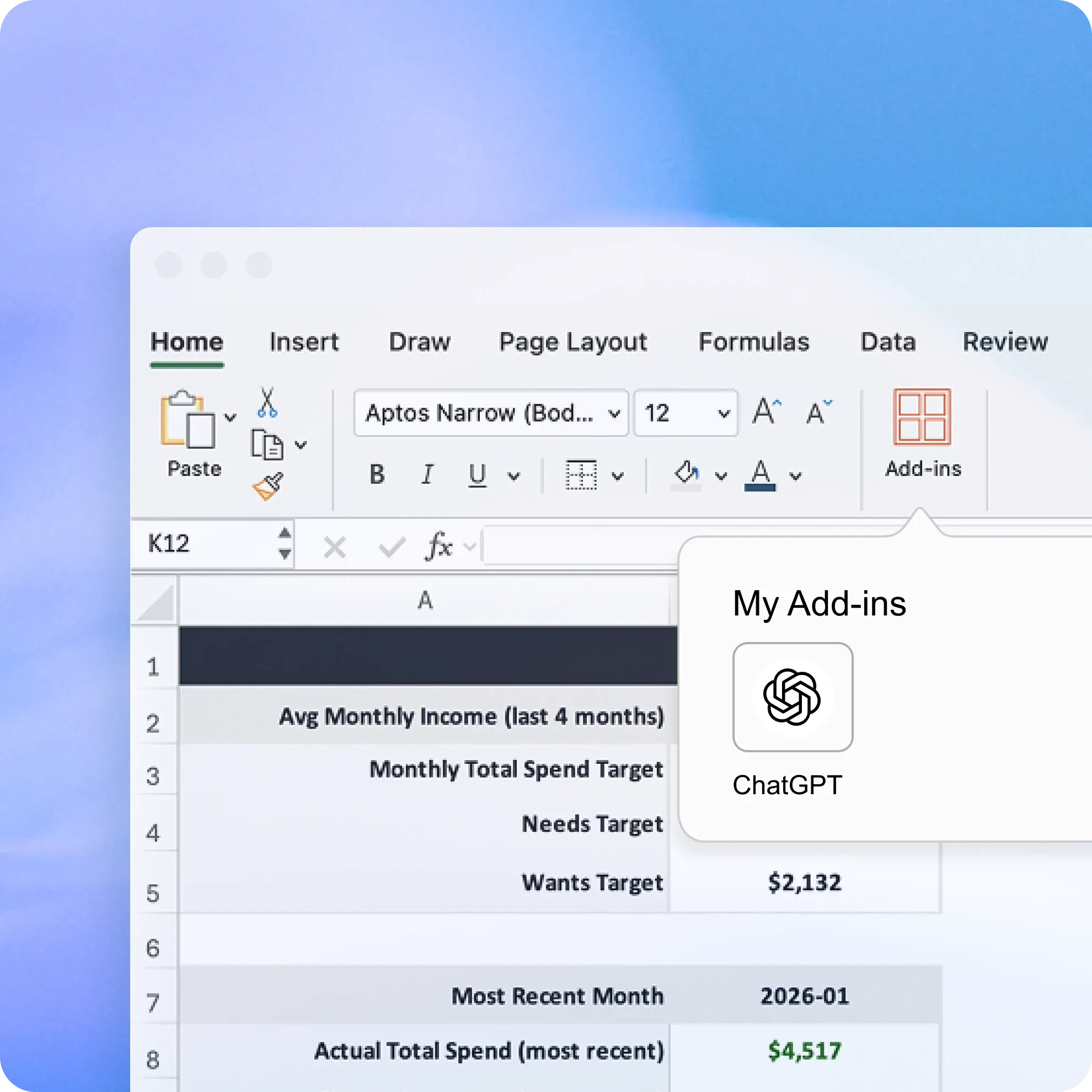
OpenAI's ChatGPT for Excel beta embeds GPT-5.4 directly into workbooks, targeting financial analysts with natural language modeling, live market data, and full formula transparency.
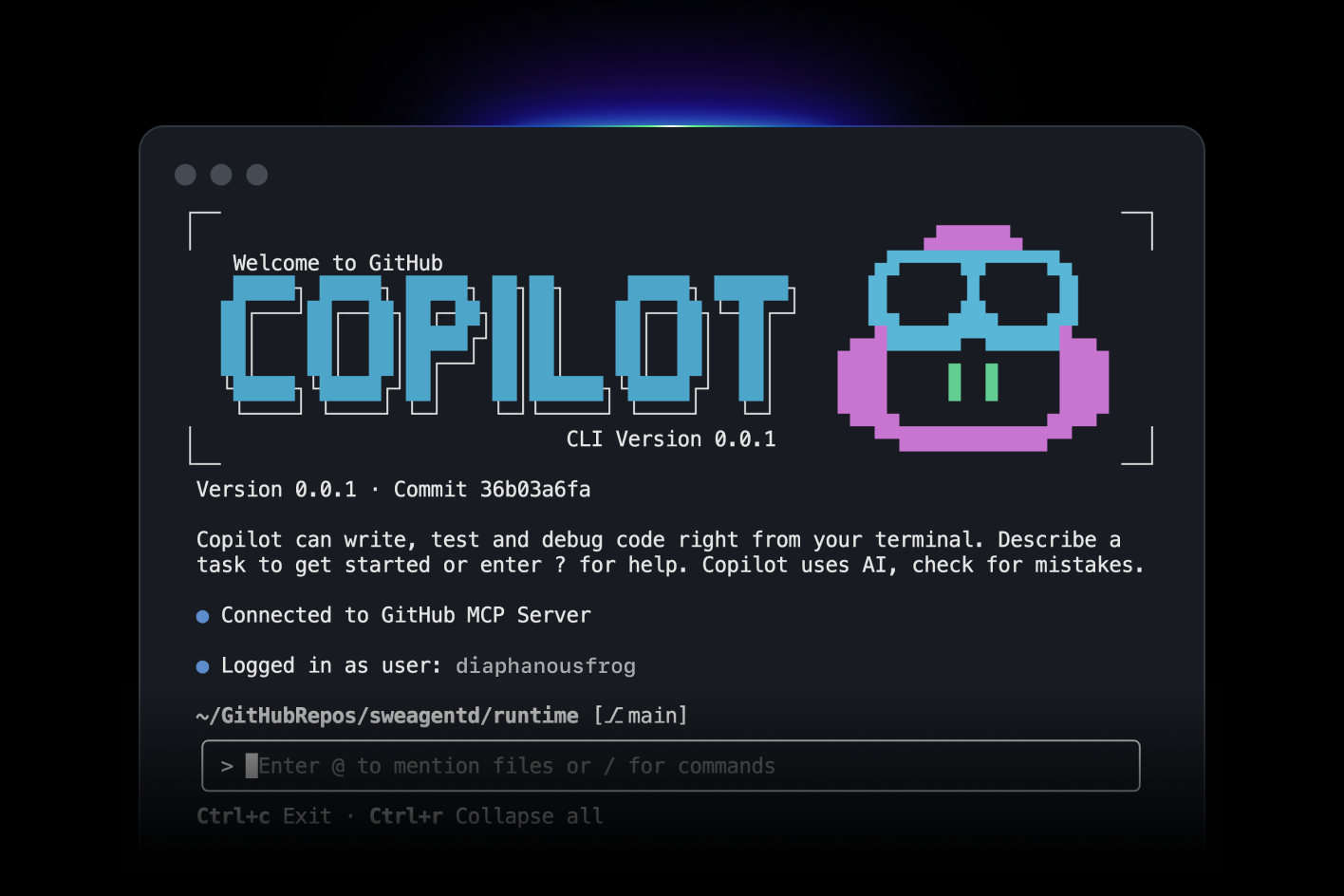
GitHub's Octoverse 2025 report reveals nearly 1 billion commits, 36M new developers, and AI reshaping what coding means, who does it, and which languages win.
Microsoft built its newest flagship M365 feature on Anthropic's Claude, not OpenAI. Here's what Copilot Cowork, a $30B Azure deal, and a fraying partnership really signal for the AI industry.
AI-designed drugs are now in human clinical trials. Here's what the first Phase IIa results mean, which companies are leading, and why 2026 is the defining year for AI medicine.
OpenAI acquired AI security startup Promptfoo on March 9, 2026. Here's what the deal reveals about the hidden dangers of AI agents — and why every business should pay attention.