They Got Automation Backwards.
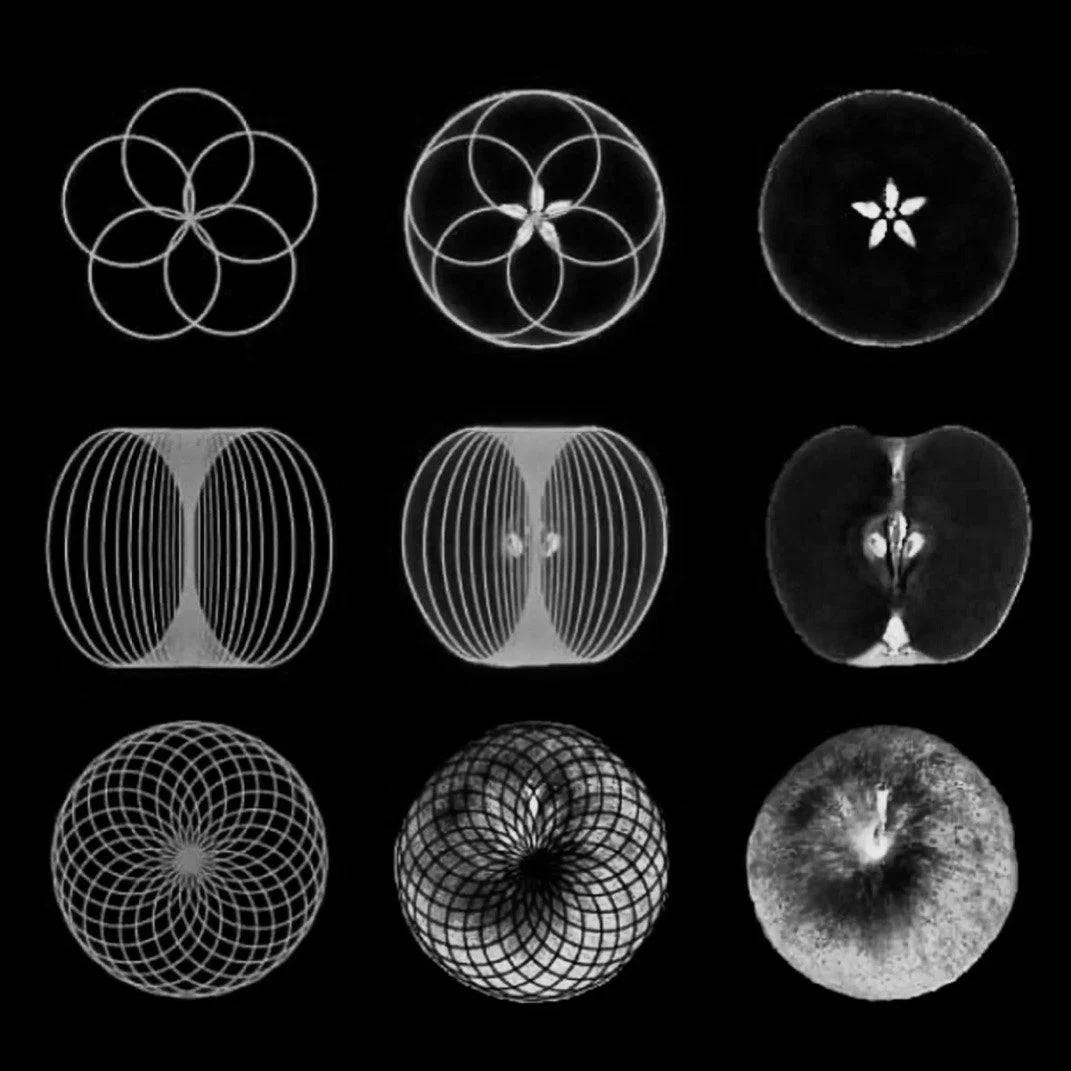
The article argues that throughout history, various ‘Broligarch’ classes have used new mediums like scripture, print, and digital platforms to impose linear, hierarchical thinking, suppressing older, more relational forms of intelligence and order. This pattern, originating from ancient religious texts, has evolved through distinct technological eras, each attacking a different human variable—wisdom, memory, intuition, time, perception, attention, and imagination.
It posits that the current wave of AI development, despite its advanced technology, is merely a continuation of this ancient algorithm, attempting to control human cognition rather than genuinely automate tasks for liberation. The author contrasts this ‘factory model’ of automation with nature’s ‘autonomic model,’ which automates mechanical processes to free consciousness for higher-order thought, creativity, and meaning-making.
The article concludes that the true potential of AI lies not in control and replacement, but in mirroring nature’s cooperative, relational intelligence, suggesting that humanity can choose a different path by reclaiming embodied, relational, and intuitive knowing that machines cannot replicate.
- Ancient religious texts like Genesis are presented as early automation programs, establishing commands and control mechanisms.
- Throughout history, ruling classes (‘Broligarchs’) have used new mediums (scripture, print, digital platforms) to impose linear, hierarchical thinking, suppressing older, relational forms of knowledge.
- Each era’s ‘Broligarchs’ attacked a different human variable: wisdom, memory, intuition, time, perception, attention, and imagination.
- Nature’s ‘autonomic model’ automates mechanical maintenance to free consciousness, while the ‘factory model’ of technology automates consciousness itself.
- AI development is framed as a continuation of this control algorithm, seeking to automate human cognition rather than liberate it.
- The logos of current AI companies, often depicting natural, non-linear forms, unconsciously reveal the older, suppressed intelligence that the coded words try to control.
- The article contrasts ‘progress’ (directed breeding) with evolution (responsive adaptation), arguing that diversity, not monoculture, is the survival strategy.
- While AI can handle the 90% of daily human behavior that is automatic (‘overhead’), the remaining 10% of creative, intuitive, and relational intelligence is uniquely human and cannot be replicated.
- The author suggests that humanity can choose to reclaim this 10% and use AI as a meaning-mapping tool rather than an automation engine.
- True resistance lies in valuing and developing embodied, relational, and intuitive knowing, which cannot be extracted or controlled by the dominant algorithm.
- The ‘neg’ used to denigrate embodied knowing (intuition, relational intelligence, women’s knowing) actually highlights what is most valuable and threatening to the control architecture.
- The fear of AI replacing humans stems from those who have already mechanized themselves and project their own obsolescence onto others.
https://abiawomosu.substack.com/p/they-got-automation-backwards
Write a comment