Master Inference Engineering: The Skill Behind Faster, Cheaper AI Models
Learn LLM Inference as fast and deep as possible
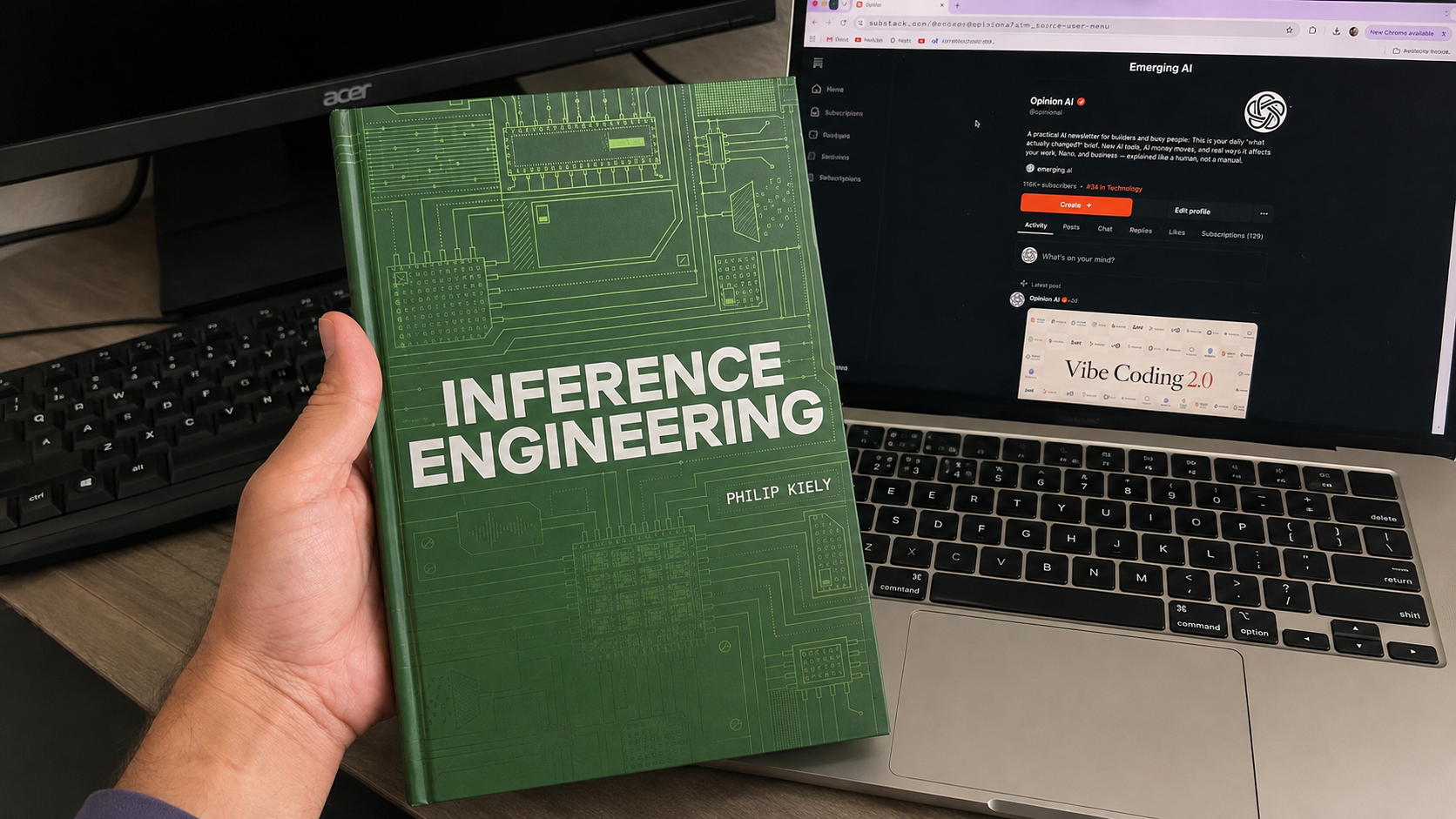
AI coding agents operate through a complex, multi-step process involving file reading, model calls, error detection, and context management. A single 33-minute agent session can involve hundreds of sub-agent calls and inference requests, with the working context ballooning significantly. This intricate backend process, known as inference engineering, is crucial for optimizing AI performance, determining factors like model usage frequency, data input, memory management, and overall speed.
- AI coding agents perform complex tasks involving multiple inference jobs, file reading, model calls, and error handling.
- A 33-minute AI agent session traced by NVIDIA involved 58 main-agent turns, 225 sub-agent calls, and 283 inference requests.
- During this session, the working context expanded from 15,000 to 156,000 tokens, requiring compaction.
- Inference engineering is identified as a critical skill for improving AI efficiency and performance.
- Key aspects of inference engineering include optimizing model run frequency, data input, memory management, caching, model selection, GPU utilization, and determining when an agent should stop.
- Understanding inference engineering explains phenomena like smaller models outperforming larger ones, the cost of large context windows, rapid token consumption by agents, GPUs running out of memory, and variations in LLM speed across different applications.
https://bender.layer3.press/articles/f0157a96-42f5-44fa-910e-635893697883
Write a comment