The boy and the black board short story for kids
- What happens in the story
- The safety risk behind his choice
- How the ending resolves the danger
- What children can learn from the black board
- What the story does not cover
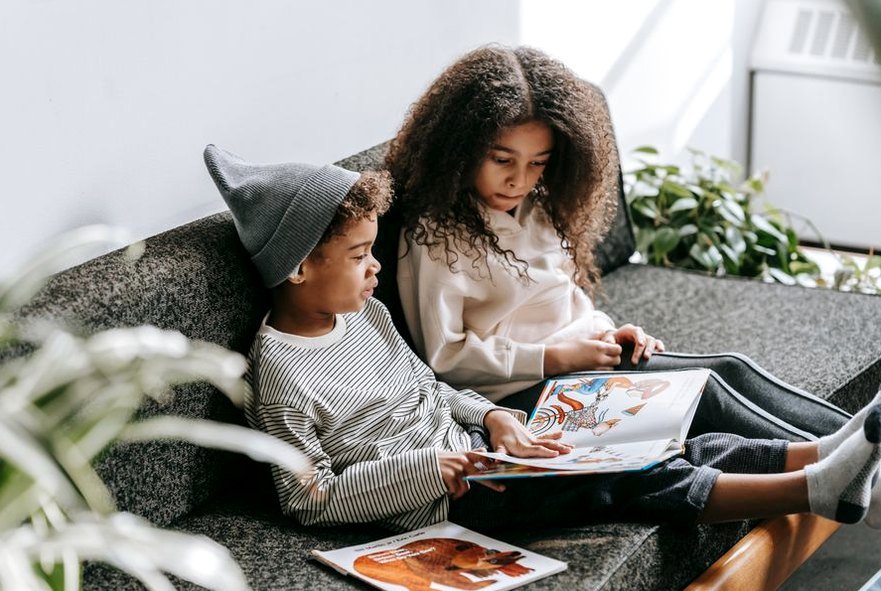
The boy and the black board short story for kids teaches a practical lesson about reading, independence, and safety in unfamiliar places. A seven-year-old boy refuses to learn letters and numbers because he would rather play with toys. His decision seems harmless until he becomes separated from his parents at a large railway station and cannot read the black departure board.
What happens in the story
The boy is old enough to start school, but he has no interest in learning. His parents buy colourful books, including «The Bun», «The Turnip», «Little Red Riding Hood», and «The Three Bears». His mother tries to read to him, yet he turns away and falls asleep instead.
During a family trip, the boy notices a board showing the platform for their train. His father explains its purpose, but the boy dismisses it. He also cannot read the letters or numbers on his ticket, so he quickly loses interest in checking it.
At his grandmother’s cottage, the boy hears another explanation. She says that reading helps people manage ordinary tasks, such as choosing ice cream in a shop or enjoying a book independently. He still refuses to learn and runs away to play with his toys.
The safety risk behind his choice
The central risk is not poor school performance. It is the boy’s inability to act when familiar adults are no longer beside him. At the station, he becomes distracted by a toy vending machine and falls behind his parents. A busy public place turns a small mistake into a frightening situation.
He reaches the black board because he remembers that his father used it to find the correct train. However, the board cannot help him when he cannot recognise the letters or numbers. Other children and parents read the information, compare it with their tickets, and walk towards the proper platform. The boy has no way to verify where he should go.
This scene shows how a basic skill reduces risk. Reading helps a child identify a destination, check a ticket, follow a sign, and explain a problem to an adult. It also gives the child more control when plans change.
How the ending resolves the danger
A station worker notices the boy’s distress and takes him to the station manager. The manager announces that a child is looking for his parents. Soon, the parents arrive after searching through the station, and the boy runs to them.
The adults use a clear safety procedure: a responsible worker stays with the child, the manager broadcasts an announcement, and the parents continue searching. The boy does not try to leave the station alone or follow an unknown person. Those details make the ending reassuring without ignoring the seriousness of the mistake.
What children can learn from the black board
Children can discuss the story through simple questions:
- Why did the boy refuse to learn letters and numbers?
- What happened when he became separated from his parents?
- Why could other passengers use the black board?
- Which adult helped him at the station?
- What did the boy decide to do on the journey home?
The story also supports a practical safety exercise. An adult can show a child a ticket, a room number, or a simple sign and explain how to compare the information carefully. The child should also know to remain in a public place and ask an identified worker for help when lost.
What the story does not cover
This story contains no cargo, shipping contract, buyer guarantee, or freight-safety procedure. Those subjects should not be added as if they were part of the plot. Its risk-management lesson concerns a child in a station: stay close to trusted adults, check written information, and ask an official worker for assistance.
For a classroom or bedtime reading session, use the boy and the black board short story for kids, then ask the child to identify the boy’s first mistake and the safe actions taken by the station worker. Finish by practising one real sign or ticket together before the next family journey.
Write a comment