A kitten maxik bedtime story legal guide
- What the story contains
- Educational themes and reading suitability
- Copyright and permission checks
- Customs documents for printed or recorded products
- Accounting records and tax safety
- Frequently asked questions
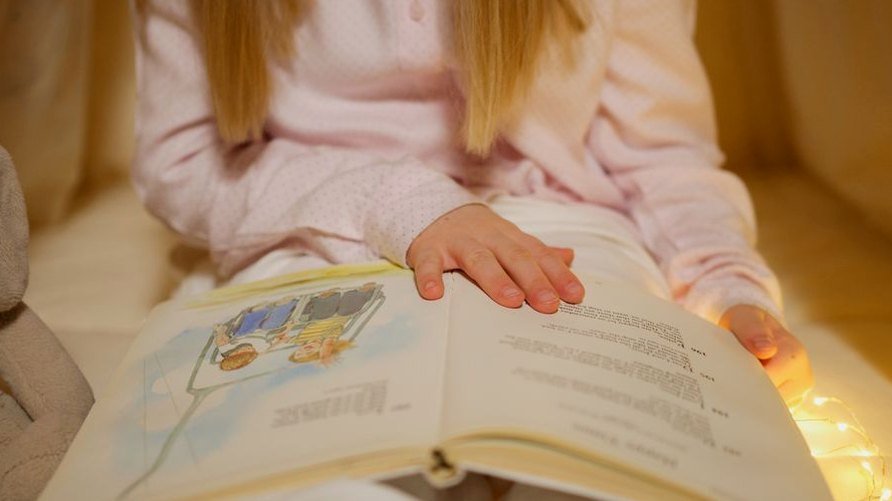
The kitten maxik bedtime story is a gentle educational tale about curiosity, persistence, and learning from mistakes. Maxik leaves home to seek knowledge, meets a kind grandmother, and faces three symbolic mountains: Difficulty, Boredom, and Failure. For parents, teachers, or publishers, the story works well for a calm reading session, but its legal and accounting treatment depends on how the text is used.
What the story contains
Maxik is an unusually curious kitten who enjoys outdoor play, watches sparrows, leaves food on his plate, scatters toys, and hides beneath a blanket before sleep. These details build a familiar domestic setting before the plot moves toward discovery and travel.
His questions concern wind, telephones, stars, and where the sun goes at night. That structure gives the story a useful bedtime rhythm: familiar behavior comes first, a short adventure follows, and the central lessons arrive through memorable images.
The strange house on chicken legs introduces a kind grandmother who resembles Baba Yaga from traditional fairy tales but acts as a helpful guide. She warns Maxik that the path to knowledge will contain trials. Because the story does not portray her as a threatening witch, younger listeners can focus on her advice rather than on fear.
Educational themes and reading suitability
The three mountains represent common learning problems. Difficulty reflects the doubt that arises when a child meets unfamiliar material. Boredom reflects repetitive assignments and the temptation to abandon unfinished work. Failure represents mistakes, setbacks, and wrong choices during discovery.
Maxik receives practical guidance for each stage: when work becomes hard, he must grow braver and more persistent; when an assignment feels tedious, he should finish it efficiently; when he fails, he should study the mistake rather than give up.
Parents can pause after each mountain and ask the child for a recent example — a difficult puzzle, a long reading task, an unsuccessful drawing. Those questions connect the fantasy journey with ordinary experience without turning bedtime reading into a formal lesson.
Copyright and permission checks
A story page should identify who created the text and what readers may do with it. The available material names the character and describes the plot, but provides no price, license, copyright notice, publisher name, or permission for commercial reuse.
That gap matters when a school, website, audiobook producer, or children’s product company plans to copy, translate, record, print, or sell the story. Reading the text privately differs from distributing copies. Before any publication, the user should obtain written permission from the rights holder and keep that permission with the project records.
The kitten maxik bedtime story page can serve as the reference point for checking the available version, wording, and presentation. A publisher should save the page address, access date, downloaded file, correspondence, and any stated usage terms.
Customs documents for printed or recorded products
If the story becomes part of printed books, cards, teaching sets, or another physical product shipped across a border, the commercial paperwork must describe the actual goods. A contract or invoice should identify the product, quantity, declared value, currency, seller, buyer, and delivery terms.
The correct customs classification depends on the physical product and its materials. A printed children’s book, a toy containing printed content, and an audio device may each require a different description. Guessing a code or declaring a vague item can produce delays, additional document requests, or a dispute over the declared value.
Digital access does not generally create the same customs file as imported printed goods, but invoices and payment records still need to match the transaction. The available story material contains no shipping rates, customs duties, tax percentages, or delivery deadlines, so none should be added to a budget without current product-specific checks.
Accounting records and tax safety
Anyone paying for a license, translation, illustration, narration, printing, or advertising should retain the agreement and payment confirmation. The description should state what was purchased and for which territory, period, language, or distribution channel, where those terms apply.
Accounting treatment depends on the transaction and local rules. A story license, printed stock purchase, royalty payment, and imported product do not necessarily follow the same tax treatment. A complete record includes the contract, invoice, proof of payment, delivery documents, and evidence that the supplied version matches the approved text.
For a simple family reading session, none of these commercial records are needed. They become relevant when the story is copied for a class, added to a paid app, printed for resale, narrated for distribution, or included in a product sold to customers.
Frequently asked questions
Is this story suitable before sleep?
Yes. Its calm opening, friendly guide, and clear learning lessons suit a bedtime reading session. The journey includes difficulty and failure, but the story presents them as manageable challenges rather than frightening events.
Can a business print the story?
Not automatically. The available material states no print license or commercial permission. A business should identify the rights holder and obtain written authorization before producing copies for sale or distribution.
Do customs documents apply to a digital reading page?
Customs paperwork generally concerns physical goods crossing a border. If the story is printed, packaged, or embedded in hardware, the shipment needs an accurate product description and matching commercial records.
Which tax rate applies to the story?
No tax rate can be determined from the story text alone. Treatment depends on the transaction, jurisdiction, product form, and current rules, so the invoice and tax position should be verified before payment or sale.
- Reference: https://modern-fairy-tales.com/kitten-maxik
Write a comment