Team uses AlphaFold AI to redesign gene-editing proteins to make them safer
Google’s AlphaFold can help ID what parts of a gene editing protein enable mistakes.
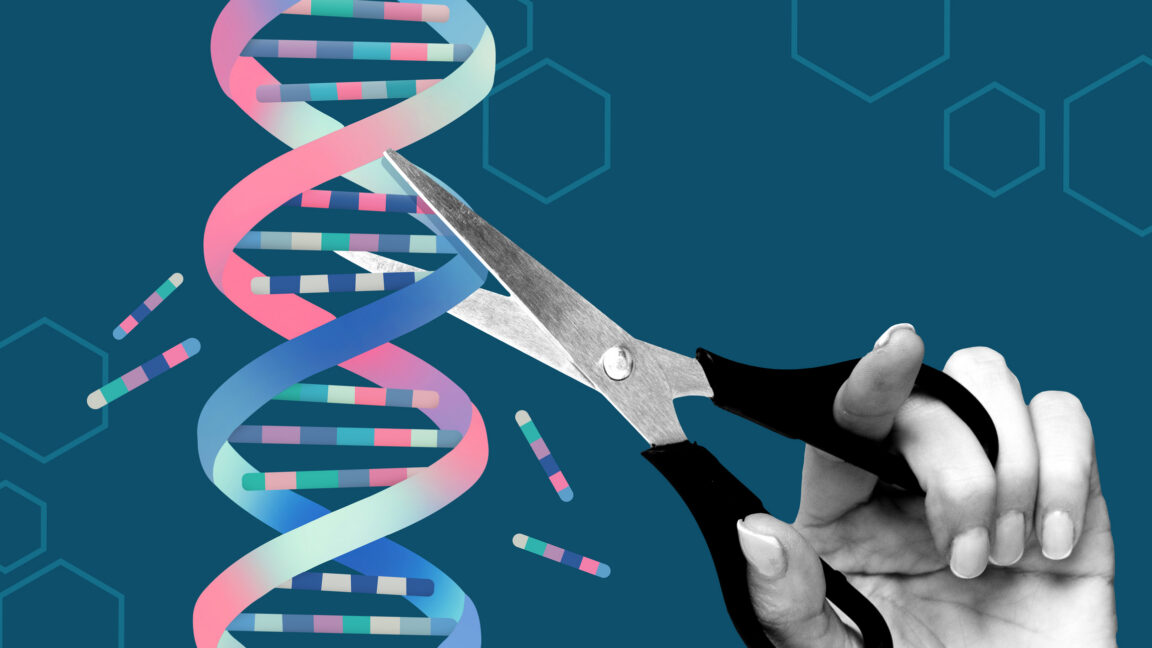
Researchers have employed AI, specifically AlphaFold, to pinpoint areas in gene-editing proteins responsible for off-target effects, which are unintended edits to the genome. By analyzing protein structures and interactions, they identified key regions and modified them, leading to a substantial reduction in these errors. This advancement could significantly improve the safety and efficacy of gene-editing therapies.
- Gene-editing therapies face challenges with off-target effects, where the system edits unintended DNA sequences.
- Researchers used AlphaFold AI to model interactions within gene-editing systems and identify parts of proteins involved in off-target edits.
- They analyzed structural differences between on-target and off-target binding sites using a tool called ContactSeek.
- By modifying specific amino acids in the Cas9 protein based on these analyses, they created variants with significantly reduced off-target activity.
- This method offers a general approach to tailoring gene-editing systems for improved safety and could have broader applications in protein-DNA interaction studies.
Continue reading https://arstechnica.com/science/2026/07/team-uses-alphafold-ai-to-redesign-gene-editing-proteins-to-make-them-safer/
Write a comment